THE ADVENTURE COLLECTIVE® · Independent discovery and booking for outdoor travel

Ride the Atlantic edge from Porto to Lisbon on EuroVelo 1: a self-guided coastal route that blends surf towns, salt flats and seaside cliffs. Plan for mixed surfaces, daily resupply and a flexible schedule to savor beaches and historic ports.
Ride the Atlantic edge from Porto to Lisbon on EuroVelo 1: a self-guided coastal route that blends surf towns, salt flats and seaside cliffs. Plan for mixed surfaces, daily resupply and a flexible schedule to savor beaches and historic ports.
The morning air off the Atlantic bites clean and cool as a rider lifts a loaded bike from the quay in Porto, tires whispering over cobblestones that once bore merchant carts. Heading south, the coast opens into broad beaches, crenellated cliffs and fishing towns where salt and surf keep pace with centuries of maritime life.
Verified experiences and guided adventures in the surrounding area.
Operated by Turisbike · Porto, Porto District
The morning air off the Atlantic bites clean and cool as a rider lifts a loaded bike from the quay in Porto, tires whispering over cobblestones that once bore merchant carts. Heading south, the coast opens into broad beaches, crenellated cliffs and fishing towns where salt and surf keep pace with centuries of maritime life.
This stretch of the EuroVelo 1 follows Portugal’s western spine—the coastline carved by waves and uplifted by ancient tectonics. Ports, lighthouses and seaside fortresses nod to the Age of Discovery; behind them, dune systems and estuaries shelter migratory birds and traditional salt pans around Aveiro. Local culture is a blend of seafood kitchens, small fisheries and towns built around coastal trade and surfing heritage in places like Peniche.
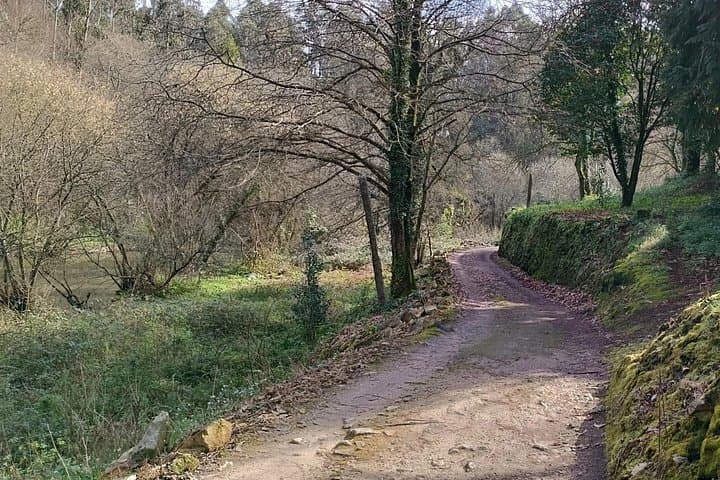
Riders can expect mostly paved coastal roads and purpose-built cycle paths with intermittent gravel or short climbs—total distance around 300 km depending on exact routing, with cumulative elevation gains in the low thousands of meters. Days are flexible: strong cyclists cover the distance in four to seven days; most prefer a week to absorb villages and beaches.
Practical guidance: choose a touring or gravel bike with reliable brakes, carry weatherproof layers—the Atlantic shifts quickly—and plan water/resupply between towns. Helmets and basic repair kits are essential; many rental packages include remote technical support. Start early to avoid midday winds and lock your bike in town centers. With maps and local wayfinding, this autonomous route rewards steady pacing, curiosity and respect for fragile coastal habitats.
moderate.
5–8 days (typical self-guided pace).
Should have regular endurance cycling experience and be comfortable with multi-day saddle time; ability to climb short coastal hills.
High season (June–September) fills coastal towns quickly—book ahead; shoulder seasons offer more flexibility.
Major EuroVelo sections and coastal cycleways are generally signposted, but carry route maps or GPS files for junctions and detours.
Yes—local luggage transfer services operate along the coast; arrange pickup and drop-off in advance if you prefer light riding.
Beginners can attempt shorter segments, but full Porto–Lisbon autonomy requires stamina and basic bike repair skills.
The coast ties to Portugal’s maritime past—harbors and lighthouses supported fishing and voyages during the Age of Discovery, influencing local cuisine and town layouts.
Dune systems and estuaries along the route are sensitive; stick to marked trails, avoid trampling vegetation and support local conservation initiatives.
Turisbike operates guided outdoor trips and adventures with an emphasis on safety, stewardship, and memorable experiences.
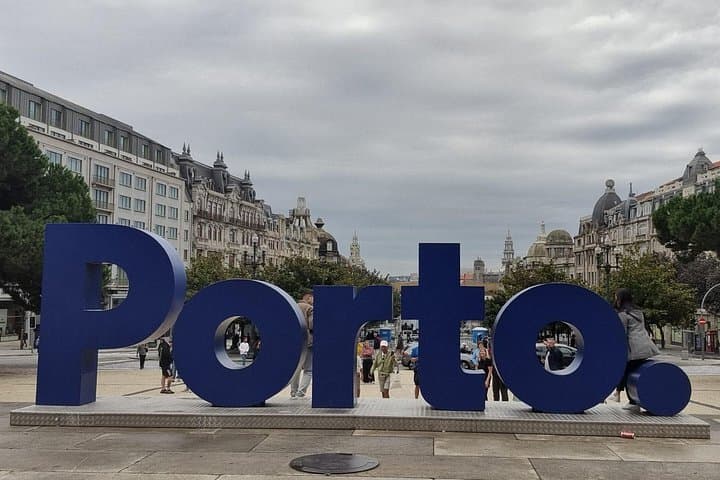
The morning air off the Atlantic bites clean and cool as a rider lifts a loaded bike from the quay in Porto, tires whispering over cobblestones that once bore merchant carts. Heading south, the coast opens into broad beaches, crenellated cliffs and fishing towns where salt and surf keep pace with centuries of maritime life.
The morning air off the Atlantic bites clean and cool as a rider lifts a loaded bike from the quay in Porto, tires whispering over cobblestones that once bore merchant carts. Heading south, the coast opens into broad beaches, crenellated cliffs and fishing towns where salt and surf keep pace with centuries of maritime life.
This stretch of the EuroVelo 1 follows Portugal’s western spine—the coastline carved by waves and uplifted by ancient tectonics. Ports, lighthouses and seaside fortresses nod to the Age of Discovery; behind them, dune systems and estuaries shelter migratory birds and traditional salt pans around Aveiro. Local culture is a blend of seafood kitchens, small fisheries and towns built around coastal trade and surfing heritage in places like Peniche.
Riders can expect mostly paved coastal roads and purpose-built cycle paths with intermittent gravel or short climbs—total distance around 300 km depending on exact routing, with cumulative elevation gains in the low thousands of meters. Days are flexible: strong cyclists cover the distance in four to seven days; most prefer a week to absorb villages and beaches.
Practical guidance: choose a touring or gravel bike with reliable brakes, carry weatherproof layers—the Atlantic shifts quickly—and plan water/resupply between towns. Helmets and basic repair kits are essential; many rental packages include remote technical support. Start early to avoid midday winds and lock your bike in town centers. With maps and local wayfinding, this autonomous route rewards steady pacing, curiosity and respect for fragile coastal habitats.