THE ADVENTURE COLLECTIVE® · Independent discovery and booking for outdoor travel

Combine a paced walk through Cairo’s 18th–19th-century European quarter with a highlight-focused visit to the Egyptian Museum and a tranquil felucca sail on the Nile. Expect rich archaeology, city architecture, and a sunset river glide.
Combine a paced walk through Cairo’s 18th–19th-century European quarter with a highlight-focused visit to the Egyptian Museum and a tranquil felucca sail on the Nile. Expect rich archaeology, city architecture, and a sunset river glide.
A morning in Cairo begins with pavement underfoot and façades that refuse to be ordinary — broad 19th-century boulevards lined with French and Italian flourishes, shutters and cornices that look more Parisian than provincial. The guide threads the group through this European quarter, past cafés and patisserie windows, down to a compact but dense Egyptian Museum where gold and limestone inhale centuries of light.
Verified experiences and guided adventures in the surrounding area.
Operated by Wonders of Egypt Tours · Cairo, Cairo Governorate
A morning in Cairo begins with pavement underfoot and façades that refuse to be ordinary — broad 19th-century boulevards lined with French and Italian flourishes, shutters and cornices that look more Parisian than provincial. The guide threads the group through this European quarter, past cafés and patisserie windows, down to a compact but dense Egyptian Museum where gold and limestone inhale centuries of light.
The museum, opened in 1902, concentrates finds from pharaonic Egypt: the tomb treasures of Tutankhamun, richly inlaid jewelry and the ceremonial objects that calibrated royal life. Across the Nile later, a felucca waits — a simple lateen-sailed boat that lets the river take charge as the city’s edge softens into reflections and call to prayer.
This tour stitches urban history and river calm into a single day: 18th–19th-century urban planning, the bright archaeology of the museum, and river travel unchanged in outline for centuries. Expect busy streets, a compact museum route focusing on highlights, and a one‑hour sail timed for golden light.
Plan practically: bring comfortable, grippy shoes for walking and museum stairs; carry a refillable bottle and sun protection; have local currency for small purchases and optional museum extras (some mummy rooms require an additional ticket). The felucca offers shade but can be windy; a light layer helps. With 5–6 hours on the calendar and mostly easy terrain, this itinerary is accessible yet full — part city walk, part cultural dive, part river breath.
moderate.
5–6 hours.
Suitable for people who can walk steadily for several hours with short pauses; light stamina recommended.
Yes — the tour includes museum entry for the main galleries and highlights; certain special rooms (e.g., some mummy halls) may require an extra fee paid on site.
This tour lists a meeting point at the attraction start; private transfer options may be offered at booking but are not automatically included.
Yes; infants must sit on an adult’s lap. The ride is generally calm but be mindful of sun exposure and bring appropriate safety measures for small children.
For a full refund cancel at least 24 hours before departure; cancellations inside 24 hours are non-refundable. Bad weather may also lead to cancellations.
European-style boulevards in Cairo expanded under 19th-century modernization efforts by rulers like Khedive Ismail, who imported Parisian urban models; the Egyptian Museum opened in 1902 as a focal point for those antiquities.
The Nile faces pollution and ecological pressures; choose operators who minimize waste, avoid feeding wildlife, and support local services to reduce tourism impact.
Wonders of Egypt Tours operates guided outdoor trips and adventures with an emphasis on safety, stewardship, and memorable experiences.
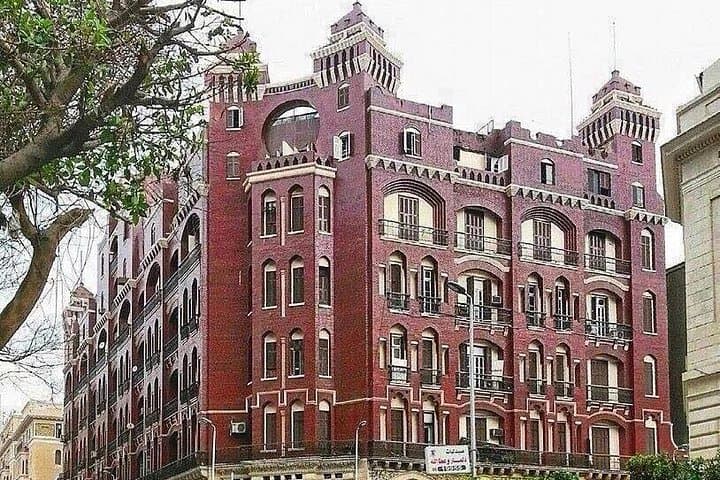
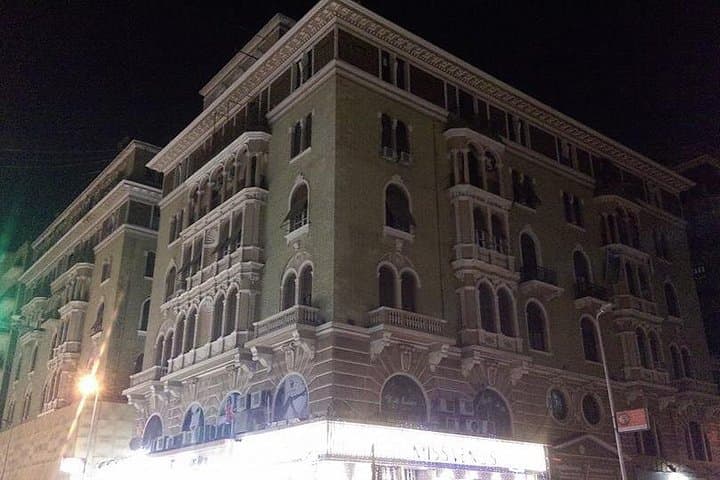
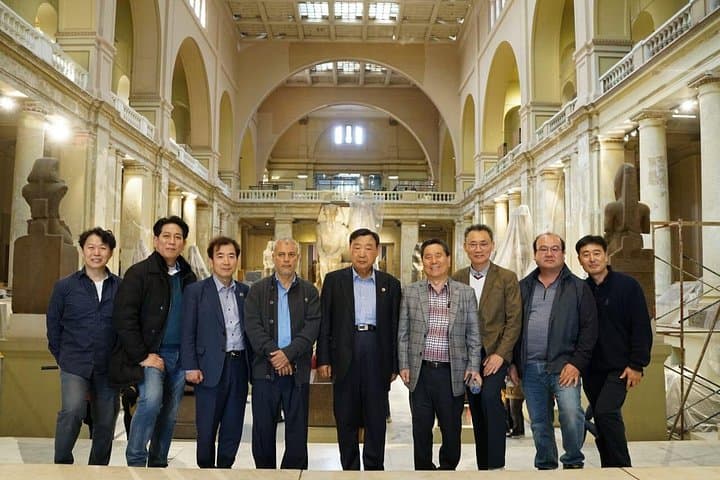
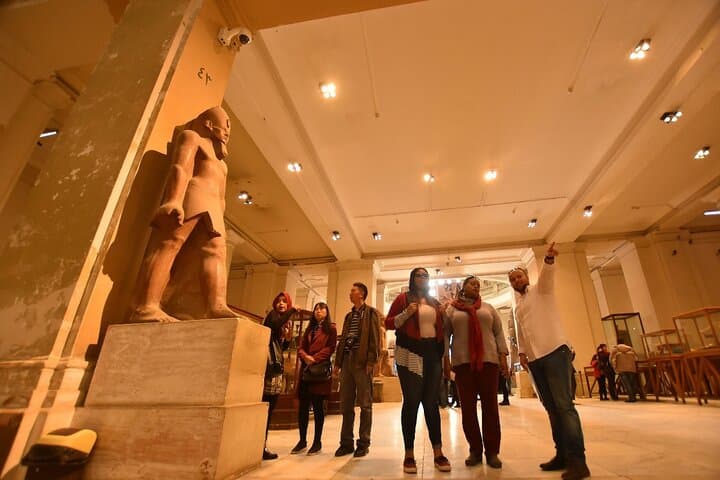
A morning in Cairo begins with pavement underfoot and façades that refuse to be ordinary — broad 19th-century boulevards lined with French and Italian flourishes, shutters and cornices that look more Parisian than provincial. The guide threads the group through this European quarter, past cafés and patisserie windows, down to a compact but dense Egyptian Museum where gold and limestone inhale centuries of light.
A morning in Cairo begins with pavement underfoot and façades that refuse to be ordinary — broad 19th-century boulevards lined with French and Italian flourishes, shutters and cornices that look more Parisian than provincial. The guide threads the group through this European quarter, past cafés and patisserie windows, down to a compact but dense Egyptian Museum where gold and limestone inhale centuries of light.
The museum, opened in 1902, concentrates finds from pharaonic Egypt: the tomb treasures of Tutankhamun, richly inlaid jewelry and the ceremonial objects that calibrated royal life. Across the Nile later, a felucca waits — a simple lateen-sailed boat that lets the river take charge as the city’s edge softens into reflections and call to prayer.
This tour stitches urban history and river calm into a single day: 18th–19th-century urban planning, the bright archaeology of the museum, and river travel unchanged in outline for centuries. Expect busy streets, a compact museum route focusing on highlights, and a one‑hour sail timed for golden light.
Plan practically: bring comfortable, grippy shoes for walking and museum stairs; carry a refillable bottle and sun protection; have local currency for small purchases and optional museum extras (some mummy rooms require an additional ticket). The felucca offers shade but can be windy; a light layer helps. With 5–6 hours on the calendar and mostly easy terrain, this itinerary is accessible yet full — part city walk, part cultural dive, part river breath.