THE ADVENTURE COLLECTIVE® · Independent discovery and booking for outdoor travel

A private day trip from Rome to the Etruscan necropolises of Tarquinia and Cerveteri—explore tomb chambers with frescoes, visit museums with VIP admission, and learn how pre-Roman society lived and commemorated the dead.
A private day trip from Rome to the Etruscan necropolises of Tarquinia and Cerveteri—explore tomb chambers with frescoes, visit museums with VIP admission, and learn how pre-Roman society lived and commemorated the dead.
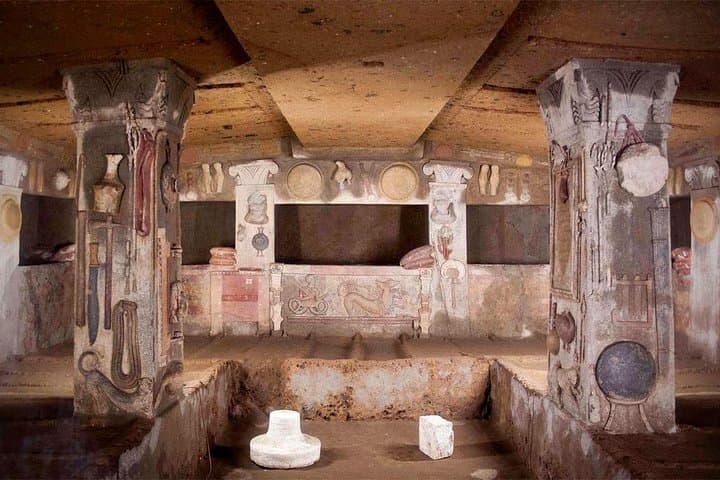
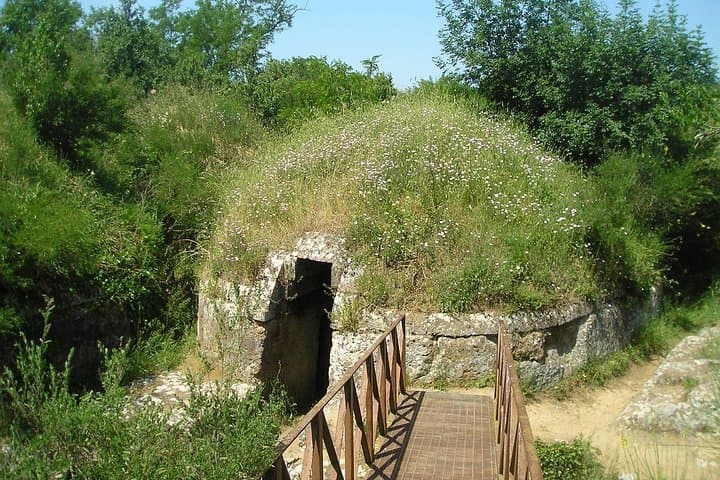
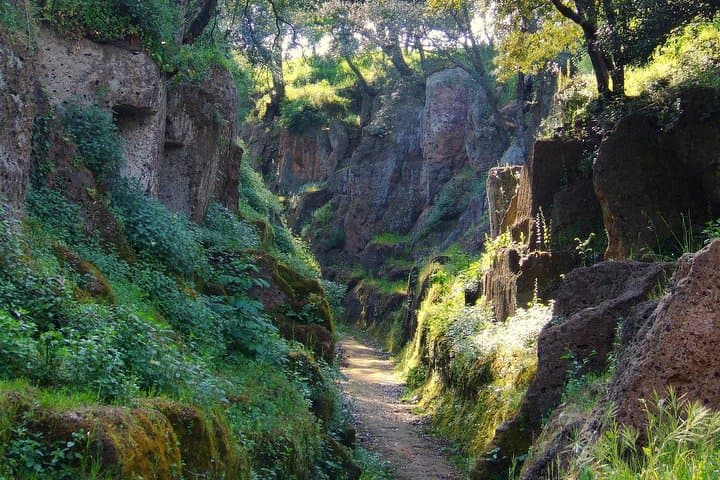
You step out of Rome’s morning light and the driver eases the vehicle toward the low hills of northern Lazio. Fields flatten into graveyard ridges; the land itself seems to keep its own archive. At Tarquinia the Monterozzi tumuli rise like long, grassy mounds—stone chambers cut beneath them hold frescoed rooms that still argue for daily life long after the builders are gone.
Verified experiences and guided adventures in the surrounding area.
Operated by Love Holidays · Tarquinia, Lazio
You step out of Rome’s morning light and the driver eases the vehicle toward the low hills of northern Lazio. Fields flatten into graveyard ridges; the land itself seems to keep its own archive. At Tarquinia the Monterozzi tumuli rise like long, grassy mounds—stone chambers cut beneath them hold frescoed rooms that still argue for daily life long after the builders are gone.
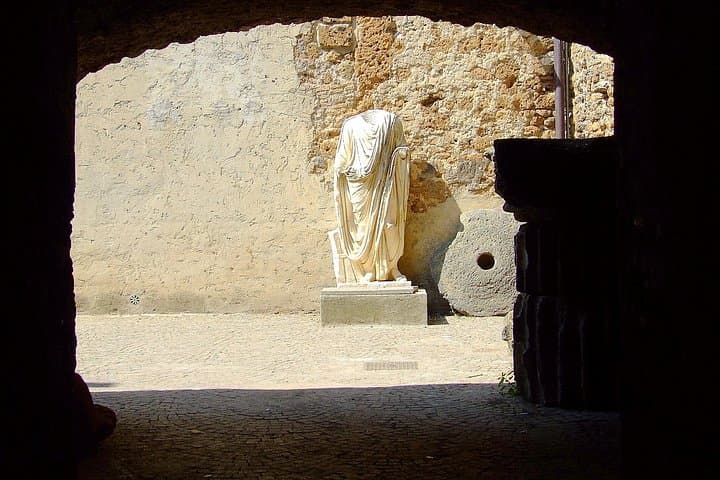
These sites map the Etruscan world: a civilization that shaped early Italy before Rome’s dominance. The necropolises at Tarquinia and Cerveteri (Banditaccia) preserve funerary architecture more complete than most Etruscan settlement remains. Geology here is limestone and tuff—easy to carve, quick to weather—so tomb chambers survive where homes have not. Cerveteri’s famous Sarcophagus of the Spouses in the local museum gives a human face to ritual practices described in fragments elsewhere.
Culturally, expect quiet reverence: tombs are archaeological spaces, not theme attractions. Guides translate iconography—banquets, hunting scenes, household moments—into social clues about status, trade, and ritual.
Practicalities: this private tour runs about nine hours round-trip from Rome and includes VIP admission; wear sturdy, flat shoes for uneven carved floors and low chambers. Bring water, sun protection, and a light layer—the necropolises can be windy and exposed. Photography rules vary; some frescoes have restrictions or no flash.
Lunch is typically a stop in a nearby town—sample local cuisine and olive oil. Allow time to visit small museums where fragile pigments and funerary goods are preserved. With moderate fitness and curiosity for antiquity, the day offers a clear window into Italy’s pre-Roman past.
moderate.
9 hours.
Moderate fitness for several hours of walking and negotiating low, uneven spaces
The private tour is approximately nine hours round-trip from Rome with two main 90–120 minute walking visits; expect moderate walking on uneven surfaces.
VIP admission to the Tarquinia and Cerveteri necropolises and relevant museums is included, though lunch and personal expenses are not.
Strollers can be used in some areas but many tomb interiors have low entrances and uneven floors; travelers should have at least moderate mobility—notify the operator about accessibility needs.
Photography policies vary by site and exhibit; flash is usually prohibited to protect pigments—follow your guide’s instructions to avoid fines or restricted access.
Tarquinia and Cerveteri were major Etruscan cities; their necropolises preserve funerary architecture and wall paintings that document social life when Etruria was a dominant Italian culture prior to Roman consolidation.
Conservation work focuses on protecting fragile fresco pigments and stabilizing tomb structures; visitors are urged to avoid touching walls and to follow site guidelines to minimize wear.
Love Holidays operates guided outdoor trips and adventures with an emphasis on safety, stewardship, and memorable experiences.
You step out of Rome’s morning light and the driver eases the vehicle toward the low hills of northern Lazio. Fields flatten into graveyard ridges; the land itself seems to keep its own archive. At Tarquinia the Monterozzi tumuli rise like long, grassy mounds—stone chambers cut beneath them hold frescoed rooms that still argue for daily life long after the builders are gone.
You step out of Rome’s morning light and the driver eases the vehicle toward the low hills of northern Lazio. Fields flatten into graveyard ridges; the land itself seems to keep its own archive. At Tarquinia the Monterozzi tumuli rise like long, grassy mounds—stone chambers cut beneath them hold frescoed rooms that still argue for daily life long after the builders are gone.
These sites map the Etruscan world: a civilization that shaped early Italy before Rome’s dominance. The necropolises at Tarquinia and Cerveteri (Banditaccia) preserve funerary architecture more complete than most Etruscan settlement remains. Geology here is limestone and tuff—easy to carve, quick to weather—so tomb chambers survive where homes have not. Cerveteri’s famous Sarcophagus of the Spouses in the local museum gives a human face to ritual practices described in fragments elsewhere.
Culturally, expect quiet reverence: tombs are archaeological spaces, not theme attractions. Guides translate iconography—banquets, hunting scenes, household moments—into social clues about status, trade, and ritual.
Practicalities: this private tour runs about nine hours round-trip from Rome and includes VIP admission; wear sturdy, flat shoes for uneven carved floors and low chambers. Bring water, sun protection, and a light layer—the necropolises can be windy and exposed. Photography rules vary; some frescoes have restrictions or no flash.
Lunch is typically a stop in a nearby town—sample local cuisine and olive oil. Allow time to visit small museums where fragile pigments and funerary goods are preserved. With moderate fitness and curiosity for antiquity, the day offers a clear window into Italy’s pre-Roman past.