THE ADVENTURE COLLECTIVE® · Independent discovery and booking for outdoor travel

Learn Etruscan-influenced Tuscan cooking in a hands-on laboratory near Tarquinia. Make fresh pasta and gnocchi, taste local wines and discover the region’s culinary history in a four-hour workshop.
Learn Etruscan-influenced Tuscan cooking in a hands-on laboratory near Tarquinia. Make fresh pasta and gnocchi, taste local wines and discover the region’s culinary history in a four-hour workshop.
You step inside a sunlit kitchen a short walk from Tarquinia’s medieval streets, and the scent of olive oil and roasting herbs takes over. A wooden table is laid out with flours, spelt, legumes and jars of local preserves; the instructor, a Slow Food alliance cook, pours a glass of nearby vineyard wine and begins with a story about the Etruscans and how their simple, grain-forward cuisine shaped modern Tuscan and Roman dishes.
Verified experiences and guided adventures in the surrounding area.
Operated by Curioseety SRLS · Tarquinia, Lazio
You step inside a sunlit kitchen a short walk from Tarquinia’s medieval streets, and the scent of olive oil and roasting herbs takes over. A wooden table is laid out with flours, spelt, legumes and jars of local preserves; the instructor, a Slow Food alliance cook, pours a glass of nearby vineyard wine and begins with a story about the Etruscans and how their simple, grain-forward cuisine shaped modern Tuscan and Roman dishes.
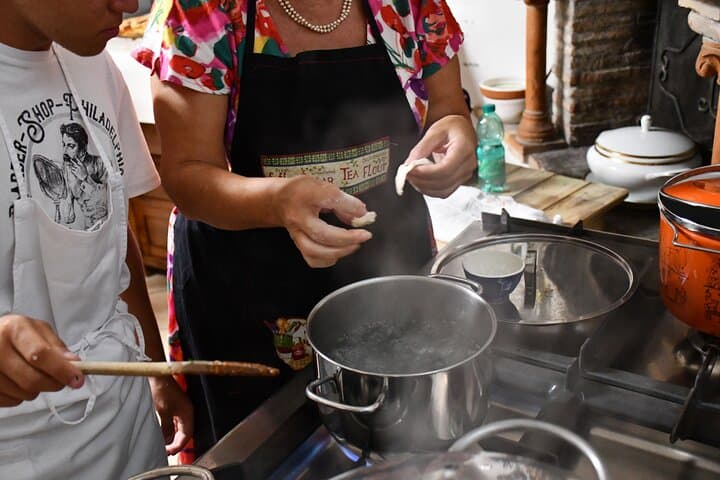
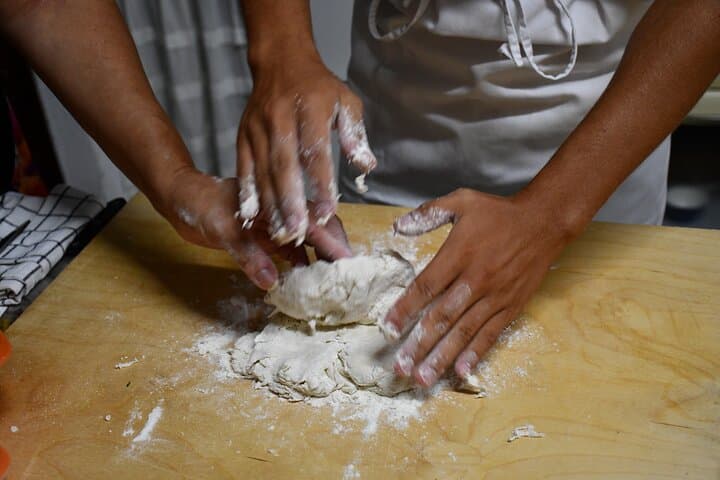
Tarquinia sits on limestone cliffs above the Tyrrhenian plain; its Etruscan necropolis (a UNESCO site) and coastal view of Argentario, Giglio and Giannutri remind you this region has tied land and sea cuisine for millennia. Expect to touch dough — making colored fresh pasta, stuffed formats and potato- or legume-based gnocchi — and to simmer acquacotta, a peasant soup of spelt and vegetables. Vittoria demonstrates techniques, offers wine pairings from local producers and explains ingredient provenance: spelt, local olive oil, and seasonal vegetables.
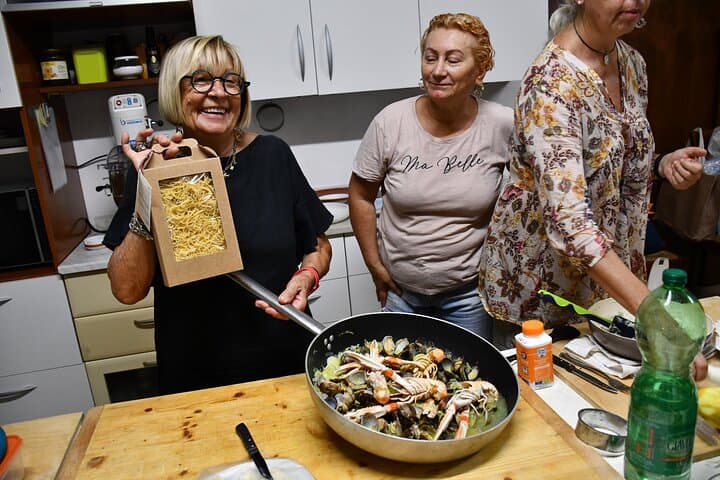
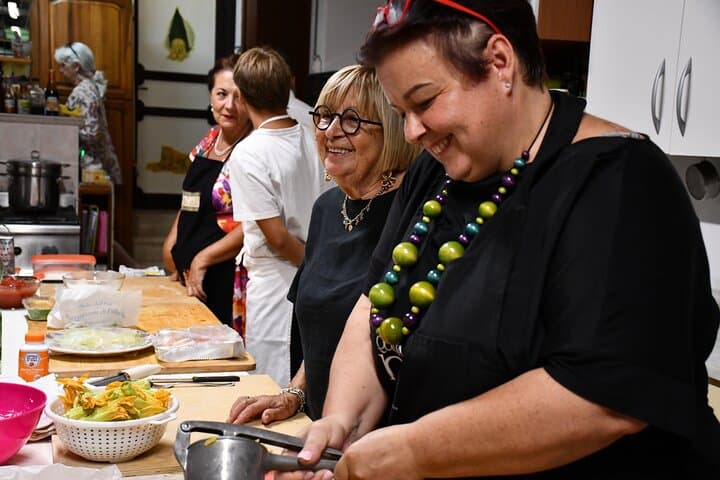
The class is practical and social: you’ll prepare, cook and then sit to taste the meal you helped create paired with regional wine. Groups are small (up to eight); the pace is deliberate, not rushed.
Practical notes: the workshop lasts ~4 hours, arrive on time to join the introductory tasting, notify organizers of allergies or dietary needs in advance, and expect hands-on work — aprons provided. Good for food lovers who want provenance, technique and a direct taste of Etruscan-to-Tuscan culinary continuity.
easy.
4 hours.
Minimal physical fitness required; standing and light lifting for a few hours is expected.
No — the class is designed for beginners and intermediate cooks; the instructor demonstrates techniques and guides you through each step.
Yes with advance notice; the host uses local produce and can adapt menu items where possible but notify dietary requirements when booking.
Classes are typically taught in Italian and English when needed; confirm language support when booking if you require another language.
Full refund is available if you cancel at least 24 hours before the start time; check your booking confirmation for details.
Tarquinia was a major Etruscan center; its painted tombs and ancient grain-based diet inform the local recipes preserved in this workshop.
The instructor sources from small organic suppliers and follows Slow Food principles—expect minimal food waste, seasonal menus and respect for local producers.
Curioseety SRLS operates guided outdoor trips and adventures with an emphasis on safety, stewardship, and memorable experiences.
You step inside a sunlit kitchen a short walk from Tarquinia’s medieval streets, and the scent of olive oil and roasting herbs takes over. A wooden table is laid out with flours, spelt, legumes and jars of local preserves; the instructor, a Slow Food alliance cook, pours a glass of nearby vineyard wine and begins with a story about the Etruscans and how their simple, grain-forward cuisine shaped modern Tuscan and Roman dishes.
You step inside a sunlit kitchen a short walk from Tarquinia’s medieval streets, and the scent of olive oil and roasting herbs takes over. A wooden table is laid out with flours, spelt, legumes and jars of local preserves; the instructor, a Slow Food alliance cook, pours a glass of nearby vineyard wine and begins with a story about the Etruscans and how their simple, grain-forward cuisine shaped modern Tuscan and Roman dishes.
Tarquinia sits on limestone cliffs above the Tyrrhenian plain; its Etruscan necropolis (a UNESCO site) and coastal view of Argentario, Giglio and Giannutri remind you this region has tied land and sea cuisine for millennia. Expect to touch dough — making colored fresh pasta, stuffed formats and potato- or legume-based gnocchi — and to simmer acquacotta, a peasant soup of spelt and vegetables. Vittoria demonstrates techniques, offers wine pairings from local producers and explains ingredient provenance: spelt, local olive oil, and seasonal vegetables.
The class is practical and social: you’ll prepare, cook and then sit to taste the meal you helped create paired with regional wine. Groups are small (up to eight); the pace is deliberate, not rushed.
Practical notes: the workshop lasts ~4 hours, arrive on time to join the introductory tasting, notify organizers of allergies or dietary needs in advance, and expect hands-on work — aprons provided. Good for food lovers who want provenance, technique and a direct taste of Etruscan-to-Tuscan culinary continuity.