THE ADVENTURE COLLECTIVE® · Independent discovery and booking for outdoor travel

Ride an electric bicycle from Matsumoto Castle into rice fields and onsen villages with alpine views as your backdrop. This private 3–4 hour tour blends samurai history, rural scenery and local culture with easy uphills thanks to electric assist.
Ride an electric bicycle from Matsumoto Castle into rice fields and onsen villages with alpine views as your backdrop. This private 3–4 hour tour blends samurai history, rural scenery and local culture with easy uphills thanks to electric assist.
You lift off from the castle grounds with the soft whirr of an electric motor and the city of Matsumoto unfolding around you — black-lacquered roofs, stone walls, and the silhouette of the Northern Japan Alps pressed against the sky.
Verified experiences and guided adventures in the surrounding area.
Operated by Welcome Matsumoto · Matsumoto, Nagano
You lift off from the castle grounds with the soft whirr of an electric motor and the city of Matsumoto unfolding around you — black-lacquered roofs, stone walls, and the silhouette of the Northern Japan Alps pressed against the sky.
This private e-bike tour threads the compact urban core and quiet agricultural outskirts. Matsumoto Castle, one of Japan’s five original castle towers, anchors the town’s samurai-era story; beyond it, the Susuki-gawa and patchwork rice paddies record seasonal cycles older than the paved roads. Geologically, the valley is a drain for alpine runoff, gifting the plain rich soils and clear streams that feed vineyards, fields, and onsen villages like Asama.
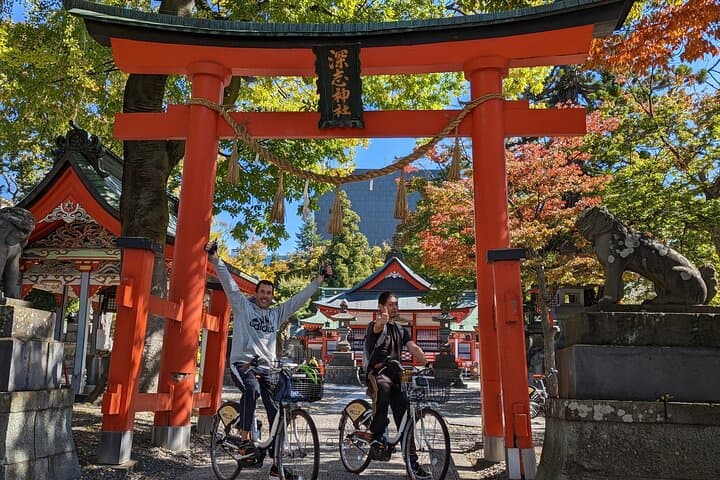
Culturally the ride touches shrine lanes, folkcraft museums and onsen hamlets where local pottery and sake are everyday craft. Guides point out Tenjin festivals, the castle’s 16th-century keep, and how irrigation shaped settlement patterns here.
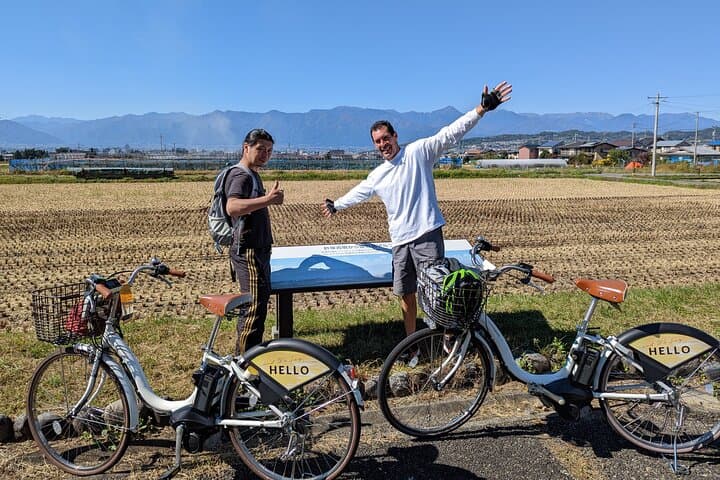
Practical side: plan for roughly a 3–4 hour outing with rolling flats and short country climbs — the electric assist takes the edge off but expect moderate effort. Bring layered clothing for sun and sudden mountain breezes, and plan photo stops at rice terraces and river bends when the Alps are clear.
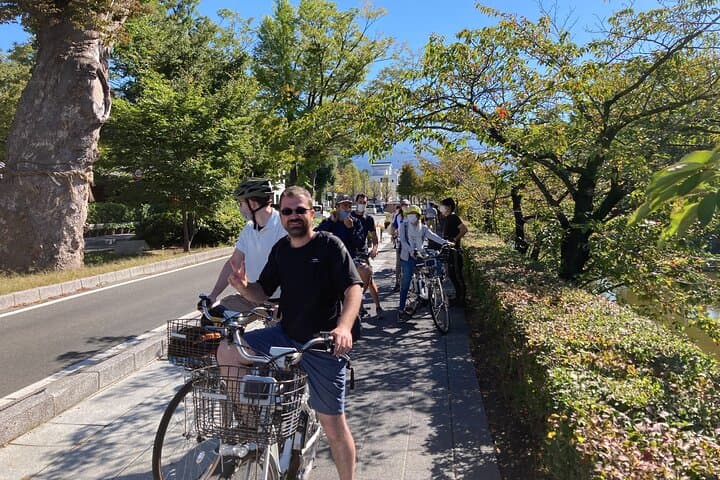
Safety and etiquette matter: helmets (provided) and basic bike-handling keep the pace social and safe through narrow streets. Aim for morning or late-afternoon departures to avoid midday heat and to catch the best light on the castle and mountain ridges. This is a ride that balances history, working landscape, and wide alpine views — accessible, scenic, and distinctly local.
moderate.
3–4 hours.
Moderate fitness—able to handle 10–25 miles of mixed urban and rural cycling with occasional short climbs; e-assist reduces sustained strain.
Basic cycling ability is enough; the electric assist smooths hills but you should be comfortable balancing and signaling in traffic.
Yes—helmets are provided as part of the tour; you’re welcome to bring your own for fit and comfort.
This private tour can usually be adjusted by the guide to focus more on castle history, countryside vistas, or onsen stops—confirm at booking.
The listed tour includes an English-speaking private guide; check availability if you need another language.
Matsumoto grew around a strategic castle keep built in the late 16th century; the town later became a center for folkcrafts and mountain trade.
Ride routes avoid sensitive riparian zones; stay on roads and paths, carry out waste, and respect rice-field boundaries to minimize agricultural disturbance.
Welcome Matsumoto operates guided outdoor trips and adventures with an emphasis on safety, stewardship, and memorable experiences.
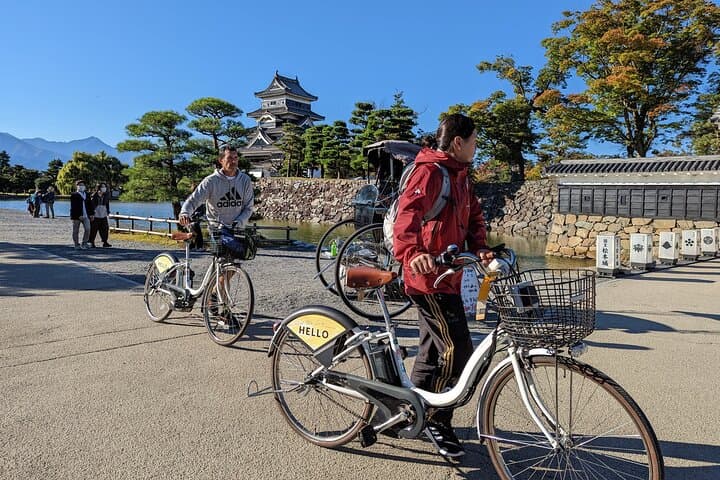
You lift off from the castle grounds with the soft whirr of an electric motor and the city of Matsumoto unfolding around you — black-lacquered roofs, stone walls, and the silhouette of the Northern Japan Alps pressed against the sky.
You lift off from the castle grounds with the soft whirr of an electric motor and the city of Matsumoto unfolding around you — black-lacquered roofs, stone walls, and the silhouette of the Northern Japan Alps pressed against the sky.
This private e-bike tour threads the compact urban core and quiet agricultural outskirts. Matsumoto Castle, one of Japan’s five original castle towers, anchors the town’s samurai-era story; beyond it, the Susuki-gawa and patchwork rice paddies record seasonal cycles older than the paved roads. Geologically, the valley is a drain for alpine runoff, gifting the plain rich soils and clear streams that feed vineyards, fields, and onsen villages like Asama.
Culturally the ride touches shrine lanes, folkcraft museums and onsen hamlets where local pottery and sake are everyday craft. Guides point out Tenjin festivals, the castle’s 16th-century keep, and how irrigation shaped settlement patterns here.
Practical side: plan for roughly a 3–4 hour outing with rolling flats and short country climbs — the electric assist takes the edge off but expect moderate effort. Bring layered clothing for sun and sudden mountain breezes, and plan photo stops at rice terraces and river bends when the Alps are clear.
Safety and etiquette matter: helmets (provided) and basic bike-handling keep the pace social and safe through narrow streets. Aim for morning or late-afternoon departures to avoid midday heat and to catch the best light on the castle and mountain ridges. This is a ride that balances history, working landscape, and wide alpine views — accessible, scenic, and distinctly local.