THE ADVENTURE COLLECTIVE® · Independent discovery and booking for outdoor travel

Start on the Cyclops coast and end above the lunar fields of Etna on this full-day tour that mixes Greek myth, honey tastings, a lava cave, and panoramic trails to 2,000 meters. Ideal for travelers who want geology, culture, and a straightforward but unforgettable mountain day.
Start on the Cyclops coast and end above the lunar fields of Etna on this full-day tour that mixes Greek myth, honey tastings, a lava cave, and panoramic trails to 2,000 meters. Ideal for travelers who want geology, culture, and a straightforward but unforgettable mountain day.
Salt air and lava stone meet on this full-day route that begins where the Ionian Sea pounds the Cyclops coast and climbs to the stark, wind-swept rims of Mount Etna.
Verified experiences and guided adventures in the surrounding area.
Operated by EnjoyourSicily · Catania, Sicily
Salt air and lava stone meet on this full-day route that begins where the Ionian Sea pounds the Cyclops coast and climbs to the stark, wind-swept rims of Mount Etna.
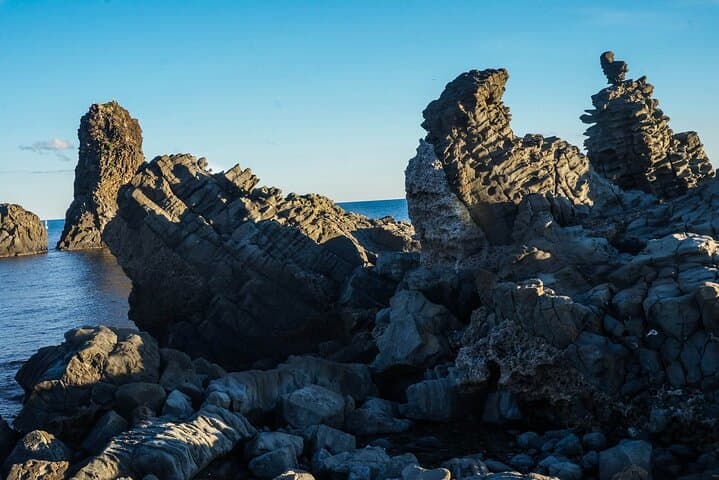
The day opens in Acitrezza amid basalt stacks that ancient Greeks linked to Polyphemus — a reminder that Etna’s story is both geological and mythic. From the coast the van gains altitude along terraces of vineyards and citrus, the soil darkening as pumice and basalt overtake cultivated land. A stop at a local beekeeper highlights how volcanic soils feed intensely flavored honey and olive oil, a cultural footnote to the mountain’s fertility.
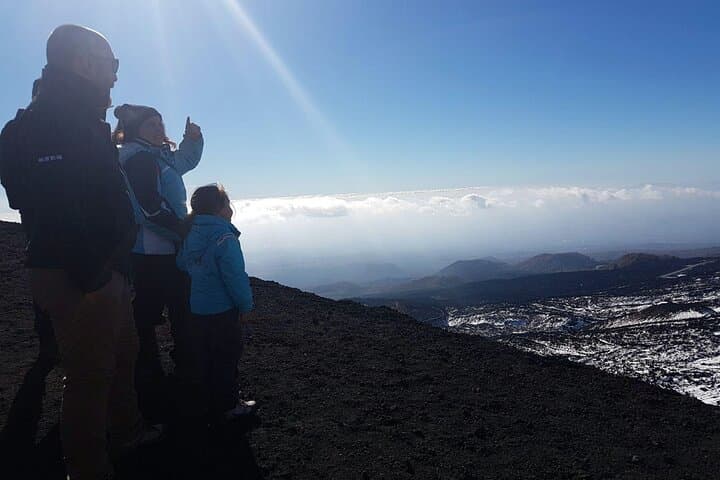
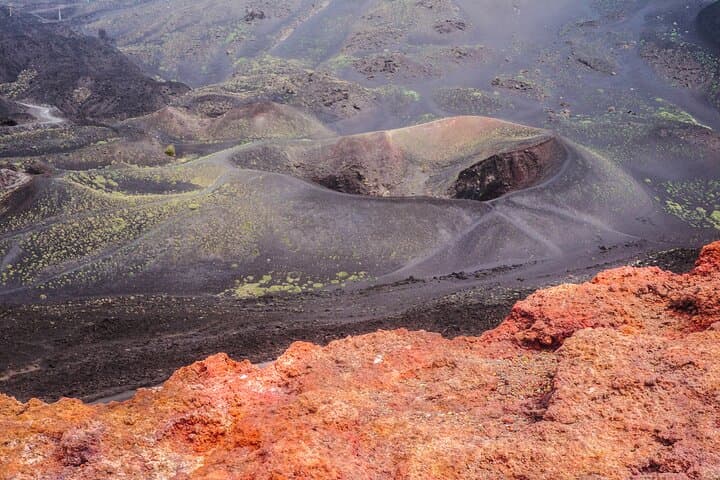
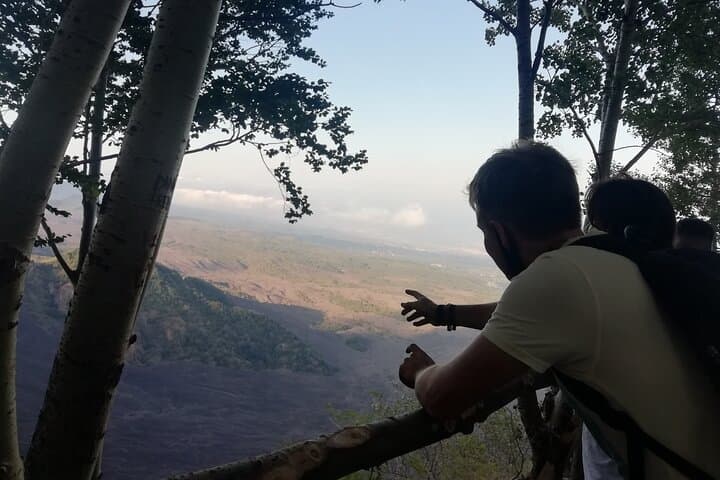
Geologically Etna is one of Europe’s most active stratovolcanoes; the route includes a visit to a lava tube and a panoramic view over the Valle del Bove, a collapsed caldera that exposes flows and layers of past eruptions. The main trail climbs through ancient ʻaʻā and pahoehoe fields, offering a lunar landscape at around 2,000 meters where craters and vents puncture the skyline.
Practically, the day balances easy walking with altitude and uneven terrain: expect firm volcanic scree, occasional sharp rocks, and open exposure. Guides supply helmets and torches for the cave; bring sturdy boots, a windproof layer, sun protection, and 2–3 liters of water.
The route suits travelers who want geology and culture in one package—history underfoot, a taste of Etna’s produce, and panoramic sections that reward steady, prepared hiking.
moderate.
8–9 hours.
Good general fitness and comfort on uneven ground; able to walk several hours with breaks.
The official route is described as accessible for most fitness levels, but the terrain is uneven with loose volcanic rock—expect a moderate effort over several hours.
Yes; guides supply helmets and torches for the cave visit, but a personal headlamp is convenient and recommended.
Yes; the itinerary includes a stop at a beekeeper for honey and traditional Sicilian tastings produced on Etna’s slopes.
At 2,000 meters most people tolerate the height, but those with severe cardiovascular issues should consult a doctor; stay hydrated and move at your own pace.
Mount Etna has been active for millennia and features in Greek mythology as the forge and prison of the Cyclops; its eruptions shaped local culture and agriculture.
Trails cross fragile volcanic soils and endemic vegetation; stay on marked routes, carry out trash, and support local producers to keep the area sustainable.
EnjoyourSicily operates guided outdoor trips and adventures with an emphasis on safety, stewardship, and memorable experiences.
Salt air and lava stone meet on this full-day route that begins where the Ionian Sea pounds the Cyclops coast and climbs to the stark, wind-swept rims of Mount Etna.
Salt air and lava stone meet on this full-day route that begins where the Ionian Sea pounds the Cyclops coast and climbs to the stark, wind-swept rims of Mount Etna.
The day opens in Acitrezza amid basalt stacks that ancient Greeks linked to Polyphemus — a reminder that Etna’s story is both geological and mythic. From the coast the van gains altitude along terraces of vineyards and citrus, the soil darkening as pumice and basalt overtake cultivated land. A stop at a local beekeeper highlights how volcanic soils feed intensely flavored honey and olive oil, a cultural footnote to the mountain’s fertility.
Geologically Etna is one of Europe’s most active stratovolcanoes; the route includes a visit to a lava tube and a panoramic view over the Valle del Bove, a collapsed caldera that exposes flows and layers of past eruptions. The main trail climbs through ancient ʻaʻā and pahoehoe fields, offering a lunar landscape at around 2,000 meters where craters and vents puncture the skyline.
Practically, the day balances easy walking with altitude and uneven terrain: expect firm volcanic scree, occasional sharp rocks, and open exposure. Guides supply helmets and torches for the cave; bring sturdy boots, a windproof layer, sun protection, and 2–3 liters of water.
The route suits travelers who want geology and culture in one package—history underfoot, a taste of Etna’s produce, and panoramic sections that reward steady, prepared hiking.