THE ADVENTURE COLLECTIVE® · Independent discovery and booking for outdoor travel

Spend a private day on Mount Etna combining a guided walk across ancient lava flows with a multi-course Sicilian wine tasting. Learn about Etna’s geology and grape varieties while sampling Nerello Mascalese and Carricante paired with local cuisine.
Spend a private day on Mount Etna combining a guided walk across ancient lava flows with a multi-course Sicilian wine tasting. Learn about Etna’s geology and grape varieties while sampling Nerello Mascalese and Carricante paired with local cuisine.
A breeze from the Ionian nudges the vineyards as you step out of the minivan; black lava rocks warm underfoot and vineyards cling to steep terraces. The guide points out a crenulated rim of an ancient crater while a sommelier uncorks a local Carricante — the mountain exhales history and the wine answers back.
Verified experiences and guided adventures in the surrounding area.
Operated by Travelosophy · Catania, Sicily
A breeze from the Ionian nudges the vineyards as you step out of the minivan; black lava rocks warm underfoot and vineyards cling to steep terraces. The guide points out a crenulated rim of an ancient crater while a sommelier uncorks a local Carricante — the mountain exhales history and the wine answers back.
Etna is one of the most active volcanoes in Europe and its slopes have hosted viticulture for centuries. Volcanic soils — rich in minerals and porous ash — give local varieties like Nerello Mascalese a distinctive structure and acidity. Nearby towns, from Zafferana to Linguaglossa, preserve rural Sicilian food traditions that pair simple cheeses, smoked salumi, and vegetable-forward dishes with these wines.
Geology here is immediate: cooled lava rivers, old craters, and layers of ash reveal repeated eruptions. Culture follows the curve of the land — family-run cantinas tucked into terraces, stone walls holding centuries of vines.
Practically, expect a relaxed private pace with a guided walk across hardened lava flows and stops at a carefully selected winery for a multi-course tasting lunch. Terrain can be uneven and dusty; footwear and sun protection matter. Transportation and tasting fees are included, and guides typically adapt the route to conditions and guest mobility.
Plan for variable weather: mornings can be cool and afternoons warm. Bring a light layer, steady shoes, and a refillable water bottle. If you want a quieter visit, ask for a south- or north-side departure that prioritizes a particular station on Etna.
moderate.
6 hours.
Suitable for most people who can manage 1–2 miles of uneven walking and short uphill sections; not suitable for those with significant mobility restrictions.
Yes — private round-trip transportation from your arranged pickup point is included in the tour price.
Expect a relaxed guided walk across old lava flows and a short crater-side stroll; total walking is typically 1–2 miles on uneven ground.
Yes — the experience includes a multi-course lunch and several wine tastings provided by selected local producers.
Infants are allowed (must sit on laps); the tour notes stroller accessibility at pickup but some walking on rough terrain is required.
Etna’s eruptions have shaped agriculture here for millennia; local winemaking traditions exploit volcanic soils to produce distinctive Nerello Mascalese and Carricante wines.
The Etna landscape is ecologically fragile — stick to trails, avoid trampling young vines, and support wineries that practice sustainable land management.
Travelosophy operates guided outdoor trips and adventures with an emphasis on safety, stewardship, and memorable experiences.
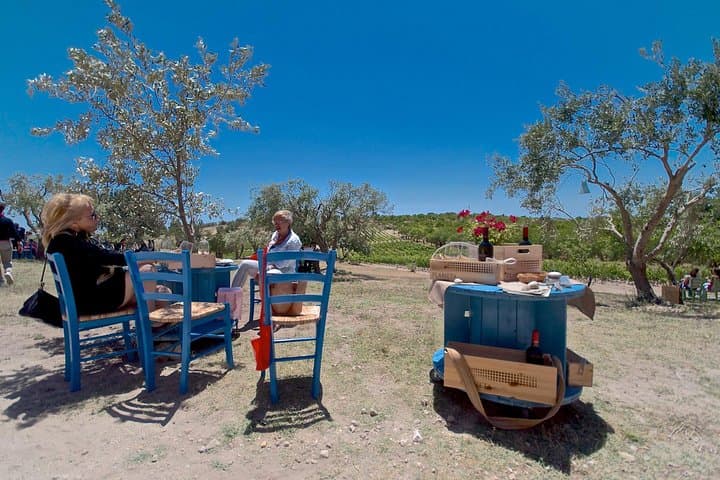


A breeze from the Ionian nudges the vineyards as you step out of the minivan; black lava rocks warm underfoot and vineyards cling to steep terraces. The guide points out a crenulated rim of an ancient crater while a sommelier uncorks a local Carricante — the mountain exhales history and the wine answers back.
A breeze from the Ionian nudges the vineyards as you step out of the minivan; black lava rocks warm underfoot and vineyards cling to steep terraces. The guide points out a crenulated rim of an ancient crater while a sommelier uncorks a local Carricante — the mountain exhales history and the wine answers back.
Etna is one of the most active volcanoes in Europe and its slopes have hosted viticulture for centuries. Volcanic soils — rich in minerals and porous ash — give local varieties like Nerello Mascalese a distinctive structure and acidity. Nearby towns, from Zafferana to Linguaglossa, preserve rural Sicilian food traditions that pair simple cheeses, smoked salumi, and vegetable-forward dishes with these wines.
Geology here is immediate: cooled lava rivers, old craters, and layers of ash reveal repeated eruptions. Culture follows the curve of the land — family-run cantinas tucked into terraces, stone walls holding centuries of vines.
Practically, expect a relaxed private pace with a guided walk across hardened lava flows and stops at a carefully selected winery for a multi-course tasting lunch. Terrain can be uneven and dusty; footwear and sun protection matter. Transportation and tasting fees are included, and guides typically adapt the route to conditions and guest mobility.
Plan for variable weather: mornings can be cool and afternoons warm. Bring a light layer, steady shoes, and a refillable water bottle. If you want a quieter visit, ask for a south- or north-side departure that prioritizes a particular station on Etna.