THE ADVENTURE COLLECTIVE® · Independent discovery and booking for outdoor travel

Ride the cable car up Etna’s southern flank and hike across black sand and lava to near the summit craters at 3,000 m. This guided, six-hour excursion combines dramatic geological scenery with practical support—cable car fare and a volcanologic guide included.
Ride the cable car up Etna’s southern flank and hike across black sand and lava to near the summit craters at 3,000 m. This guided, six-hour excursion combines dramatic geological scenery with practical support—cable car fare and a volcanologic guide included.
The day opens on a raw, wind-swept slope as the cable car lifts you above chest-high pines and terraced vineyards, depositing you at 2,500 m with the Ionian Sea a flat ribbon to the east. Underfoot the trail quickly changes from packed dirt to volcanic sand and jagged aa lava; the air thins and the mountain’s voice—faint steam and distant rumble—reminds you this is an active summit.
Verified experiences and guided adventures in the surrounding area.
Operated by Etna Est · Nicolosi, Sicily
The day opens on a raw, wind-swept slope as the cable car lifts you above chest-high pines and terraced vineyards, depositing you at 2,500 m with the Ionian Sea a flat ribbon to the east. Underfoot the trail quickly changes from packed dirt to volcanic sand and jagged aa lava; the air thins and the mountain’s voice—faint steam and distant rumble—reminds you this is an active summit.
Mount Etna is Europe’s most active volcano. Layers of basalt and ash record centuries of eruptions; recent flows and the steaming 2001 crater are visible on the southern flank. Locals have long balanced farming and pilgrimage on its slopes—the black soil supports vineyards and hardy Mediterranean shrubs adapted to frequent disturbance.
The guided route climbs roughly 500 m over about two hours across loose scoria and hardened lava, reaching near the summit craters at ~3,000 m. Expect open, exposed terrain with panoramic views of the Valle del Bove, the Ionian coast, and, on clear days, Sicily’s distant ridgelines. Guides often point out volcanic features and explain monitoring efforts that keep climbers safe.
Practical note: the outing runs about six hours from meeting in Nicolosi, includes cable car round-trip and a volcanology or alpine guide, and may require renting trekking boots or poles on site. Altitude and scree make steady footwear and layered clothing essential; carry water, sun protection, and snacks for a mountain lunch. The trail is non-technical but demands good balance and moderate fitness. Timing your visit for morning departures reduces wind and improves visibility.
moderate.
6 hours.
Good aerobic fitness for steady uphill hiking at altitude; comfortable walking on loose scree for 2 hours.
From 2,500 m to about 3,000 m you’ll climb roughly 500 m over loose volcanic sand and lava; sections are steep but non-technical and usually take ~2 hours roundtrip.
The tour includes the round-trip cable car ticket, but cable car operations can be suspended in bad weather or winter—check ahead.
Children under 9 are not recommended; younger kids should be accustomed to mountain walking and must be accompanied by an adult.
Yes—boots and trekking pole rentals are often available locally at the meeting point, though sizes can be limited so reserve or arrive early.
Etna’s eruptions have shaped local agriculture and settlement for millennia; the volcano features in regional folklore and has been studied since antiquity.
Trails cross fragile volcanic ecosystems; stick to marked routes and pack out trash—local guides help minimize erosion and visitor impact.
Etna Est operates guided outdoor trips and adventures with an emphasis on safety, stewardship, and memorable experiences.
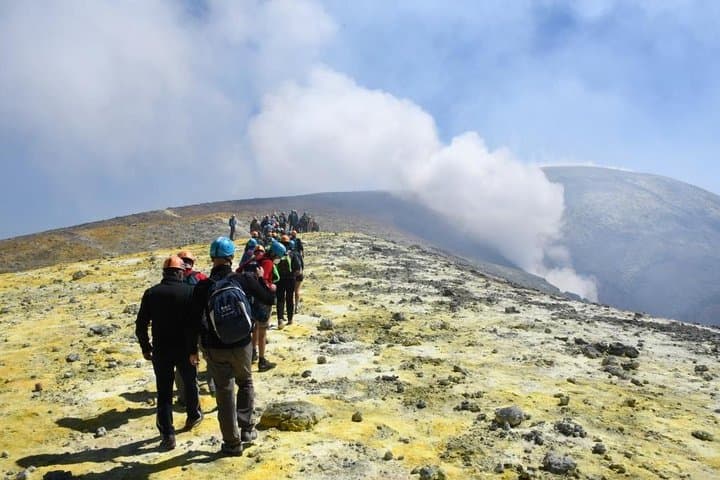
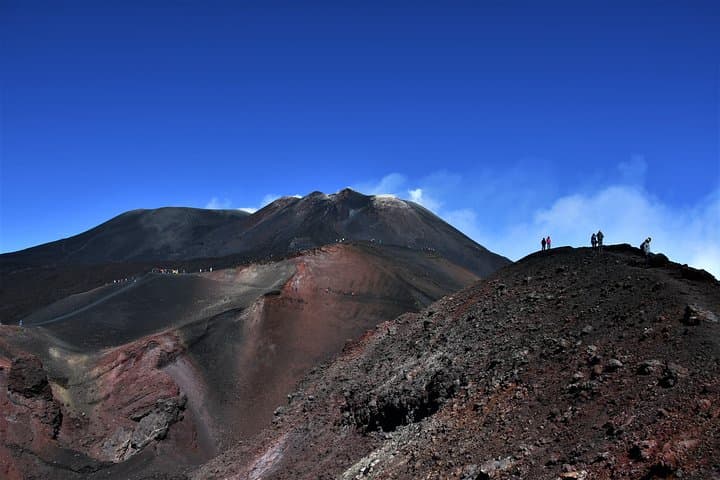
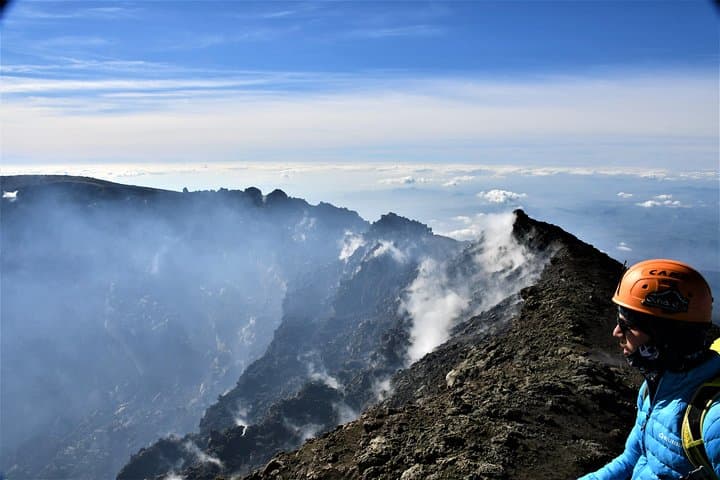
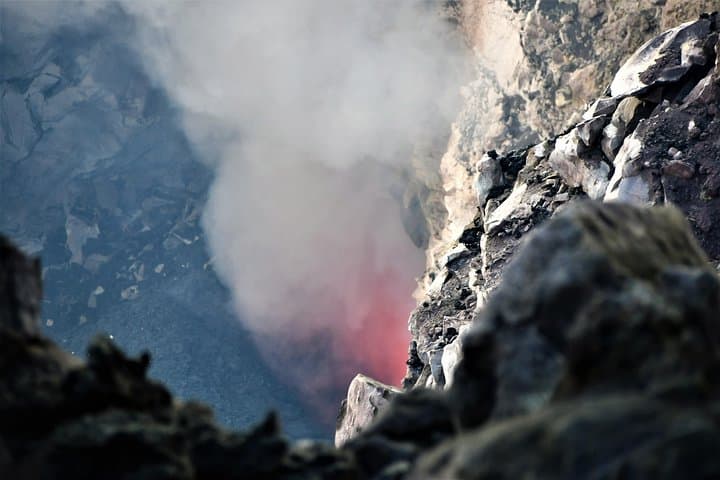
The day opens on a raw, wind-swept slope as the cable car lifts you above chest-high pines and terraced vineyards, depositing you at 2,500 m with the Ionian Sea a flat ribbon to the east. Underfoot the trail quickly changes from packed dirt to volcanic sand and jagged aa lava; the air thins and the mountain’s voice—faint steam and distant rumble—reminds you this is an active summit.
The day opens on a raw, wind-swept slope as the cable car lifts you above chest-high pines and terraced vineyards, depositing you at 2,500 m with the Ionian Sea a flat ribbon to the east. Underfoot the trail quickly changes from packed dirt to volcanic sand and jagged aa lava; the air thins and the mountain’s voice—faint steam and distant rumble—reminds you this is an active summit.
Mount Etna is Europe’s most active volcano. Layers of basalt and ash record centuries of eruptions; recent flows and the steaming 2001 crater are visible on the southern flank. Locals have long balanced farming and pilgrimage on its slopes—the black soil supports vineyards and hardy Mediterranean shrubs adapted to frequent disturbance.
The guided route climbs roughly 500 m over about two hours across loose scoria and hardened lava, reaching near the summit craters at ~3,000 m. Expect open, exposed terrain with panoramic views of the Valle del Bove, the Ionian coast, and, on clear days, Sicily’s distant ridgelines. Guides often point out volcanic features and explain monitoring efforts that keep climbers safe.
Practical note: the outing runs about six hours from meeting in Nicolosi, includes cable car round-trip and a volcanology or alpine guide, and may require renting trekking boots or poles on site. Altitude and scree make steady footwear and layered clothing essential; carry water, sun protection, and snacks for a mountain lunch. The trail is non-technical but demands good balance and moderate fitness. Timing your visit for morning departures reduces wind and improves visibility.