THE ADVENTURE COLLECTIVE® · Independent discovery and booking for outdoor travel

Stand on the rim of Europe’s most active volcano: a 4–5 hour northern-side trek to Etna’s summit craters that threads recent lava flows, fumaroles and sweeping sea views. Prepare for loose terrain, rapid weather shifts and unforgettable geology.
Stand on the rim of Europe’s most active volcano: a 4–5 hour northern-side trek to Etna’s summit craters that threads recent lava flows, fumaroles and sweeping sea views. Prepare for loose terrain, rapid weather shifts and unforgettable geology.
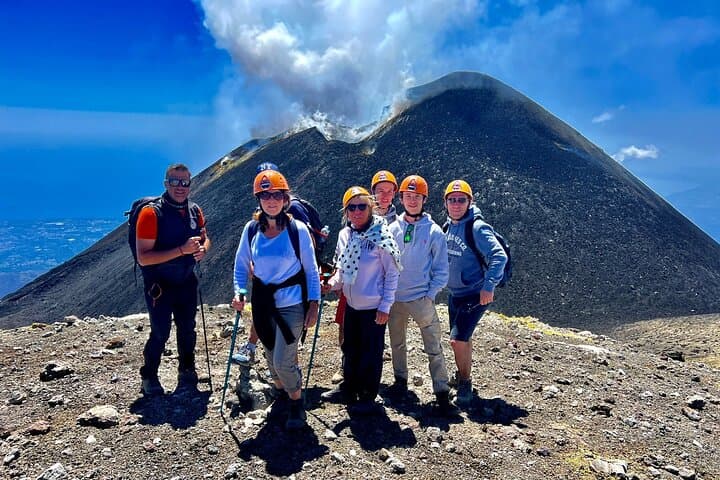
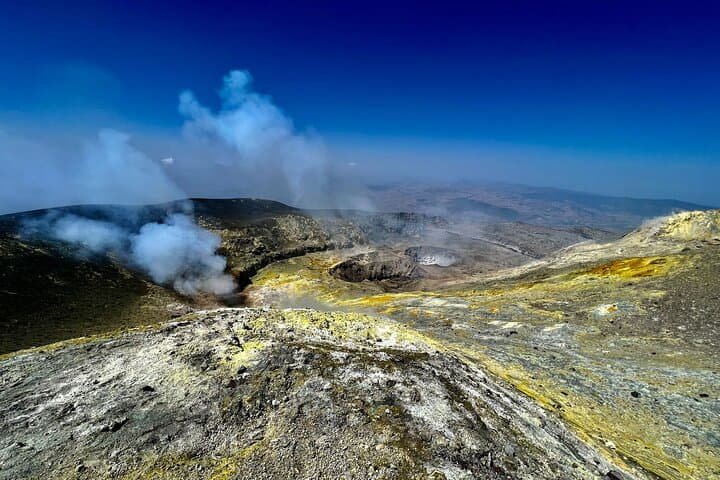
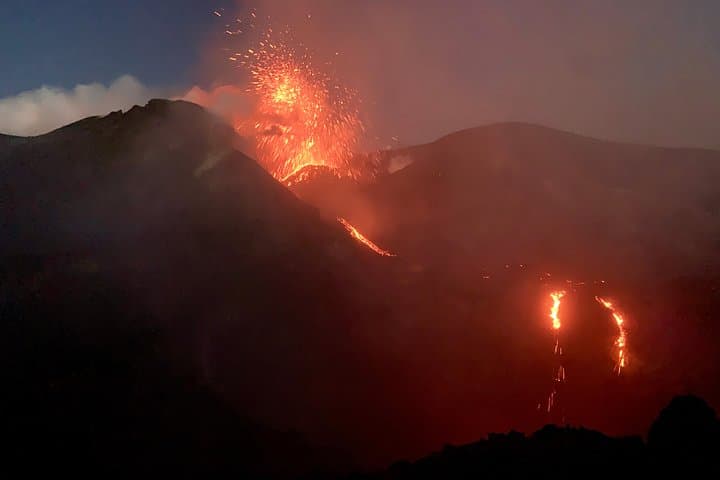
A wind-swept ridge opens and the summit of Etna looms—black rock scarred by recent flows, steam rising from a cluster of unpredictable vents. The northern-side trek to Etna’s summit craters places hikers on the edge of a living landscape where the ground still breathes and the horizon can switch from the Ionian Sea to a plume of ash in an instant.
Verified experiences and guided adventures in the surrounding area.
Operated by ETNAHIKER · Linguaglossa, Sicily
A wind-swept ridge opens and the summit of Etna looms—black rock scarred by recent flows, steam rising from a cluster of unpredictable vents. The northern-side trek to Etna’s summit craters places hikers on the edge of a living landscape where the ground still breathes and the horizon can switch from the Ionian Sea to a plume of ash in an instant.
This route moves through lava fields formed in recent eruptions, past jagged aa and glassy pahoehoe, and into the amphitheater of the 2002 vents and the central crater complex. Etna is Europe’s highest active volcano and a UNESCO World Heritage Site; its geology is a layered record of flank eruptions, ash fall and cone-building episodes that local communities have adapted to for millennia.
Culturally, the mountain is woven into Sicilian life—rural villages carve wine and citrus from the fertile slopes below, while scientists maintain monitoring stations higher up. Expect silence broken by wind and the occasional hiss of fumaroles; the mountain’s moods are literal and immediate.
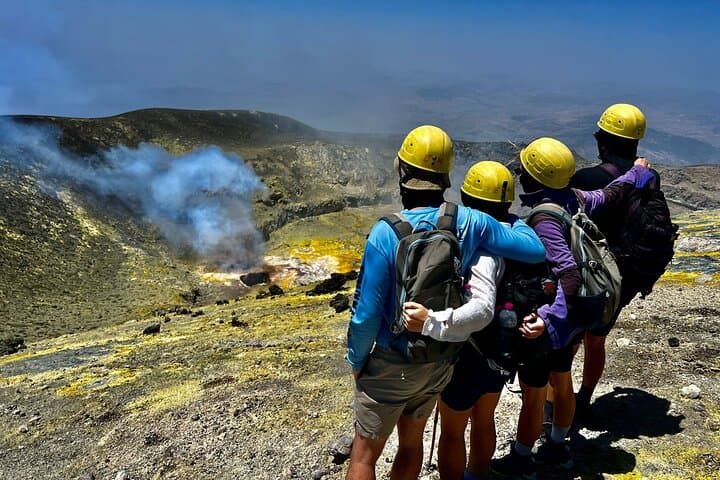
Practical guidance: the trek is rocky, loose and steep near the upper reaches and requires steady footing and good lungs for high-altitude walking. Guides provide helmets and softshells; bring high-traction boots, layered clothing, sun protection and ample water. Start early for stable weather, watch for sudden wind or ash, and keep to marked paths to protect fragile soils. With preparation, this is one of the most direct ways to feel a volcano’s pulse while standing safely on its rim.
moderate.
4–5 hours.
Comfortable for hikers with regular cardio fitness and experience on uneven terrain; no technical climbing required.
The route is moderate: expect steep sections, loose scree and sustained uphill walking for up to a few hours—moderate fitness is necessary.
No technical experience is required; a guided group provides route knowledge and safety protocols for active features.
Policies vary by operator; generally the trek is suitable for older children with hiking experience and parental discretion due to rough ground and altitude.
Operators monitor volcanic and weather conditions; tours may be canceled or rerouted for safety—check cancellation terms and start early in the day.
Etna has been erupting for hundreds of thousands of years; its frequent activity shaped local agriculture and settlements and earned it UNESCO World Heritage status for its geological importance.
Stay on marked paths and avoid collecting volcanic rock—fragile soils and pioneer vegetation recover slowly. Guided groups help minimize impact and support local conservation efforts.
ETNAHIKER operates guided outdoor trips and adventures with an emphasis on safety, stewardship, and memorable experiences.
A wind-swept ridge opens and the summit of Etna looms—black rock scarred by recent flows, steam rising from a cluster of unpredictable vents. The northern-side trek to Etna’s summit craters places hikers on the edge of a living landscape where the ground still breathes and the horizon can switch from the Ionian Sea to a plume of ash in an instant.
A wind-swept ridge opens and the summit of Etna looms—black rock scarred by recent flows, steam rising from a cluster of unpredictable vents. The northern-side trek to Etna’s summit craters places hikers on the edge of a living landscape where the ground still breathes and the horizon can switch from the Ionian Sea to a plume of ash in an instant.
This route moves through lava fields formed in recent eruptions, past jagged aa and glassy pahoehoe, and into the amphitheater of the 2002 vents and the central crater complex. Etna is Europe’s highest active volcano and a UNESCO World Heritage Site; its geology is a layered record of flank eruptions, ash fall and cone-building episodes that local communities have adapted to for millennia.
Culturally, the mountain is woven into Sicilian life—rural villages carve wine and citrus from the fertile slopes below, while scientists maintain monitoring stations higher up. Expect silence broken by wind and the occasional hiss of fumaroles; the mountain’s moods are literal and immediate.
Practical guidance: the trek is rocky, loose and steep near the upper reaches and requires steady footing and good lungs for high-altitude walking. Guides provide helmets and softshells; bring high-traction boots, layered clothing, sun protection and ample water. Start early for stable weather, watch for sudden wind or ash, and keep to marked paths to protect fragile soils. With preparation, this is one of the most direct ways to feel a volcano’s pulse while standing safely on its rim.