THE ADVENTURE COLLECTIVE® · Independent discovery and booking for outdoor travel

Ride 4x4s to 2,900 m and trek to Etna’s summit craters at 3,260 m to stand beside fumaroles and take in sweeping views of Sicily and the Aeolian Islands. This guided, small-group experience combines volcanic geology, close-up steam vents, and a local wine tasting.
Ride 4x4s to 2,900 m and trek to Etna’s summit craters at 3,260 m to stand beside fumaroles and take in sweeping views of Sicily and the Aeolian Islands. This guided, small-group experience combines volcanic geology, close-up steam vents, and a local wine tasting.
At 3,260 meters the summit on Mount Etna opens like a raw wound of rock and steam — fumaroles whisper, sulphur stains rim the crater, and the wind dares you forward. The excursion begins at 1,800 m where guides brief the group, then a convoy of specially adapted 4x4s climbs gravel and lava fields to 2,900 m. From there a 1.5–2 hour trek gains roughly 360 m to the edge of Bocca Nuova, offering close contact with fumaroles and a viewpoint that frames the Ionian Sea, Taormina, the Nebrodi and Madonie ranges, and on clear days the Aeolian archipelago.
Verified experiences and guided adventures in the surrounding area.
Operated by EtnaExcursion.it · Linguaglossa, Sicily
At 3,260 meters the summit on Mount Etna opens like a raw wound of rock and steam — fumaroles whisper, sulphur stains rim the crater, and the wind dares you forward. The excursion begins at 1,800 m where guides brief the group, then a convoy of specially adapted 4x4s climbs gravel and lava fields to 2,900 m. From there a 1.5–2 hour trek gains roughly 360 m to the edge of Bocca Nuova, offering close contact with fumaroles and a viewpoint that frames the Ionian Sea, Taormina, the Nebrodi and Madonie ranges, and on clear days the Aeolian archipelago.
Etna is a UNESCO World Heritage site shaped by repeated eruptions; its slopes record flows, ash layers, and sulfur deposits that color the summit landscape. The northern side visited on this route exposes volcanic sand gullies and the broad scar of Valle del Bove, a moonscape of pumice and black basalt. Local culture ties to Etna through vineyards and small mountain farms — this tour includes a tasting and a glass of Etna wine at Montata Grande and is led by an authorized volcanological guide.
Practical guidance: wear sturdy hiking boots and gaiters for loose volcanic sand, layer for rapidly changing weather, carry 2–3 liters of water, and pace yourself for altitude. Helmets are provided; maximum group size is 10 per guide. Not recommended for pregnant travelers or those with serious heart or spinal conditions. Expect uneven terrain, strong winds on exposed ridges, and spectacular photographic opportunities on the descent through lunar gullies back to the parking area.
challenging.
5 hours.
Should be comfortable with sustained uphill walking, unstable volcanic sand, and brief exposure to high altitude; good aerobic fitness recommended
Meeting is typically at the northern-side rendezvous around 1,800 m (details provided after booking); public transport options exist nearby but many travelers arrive by private transfer from Linguaglossa or Catania.
Yes for experienced walkers with moderate fitness—no mountaineering skills required—but the altitude and loose volcanic terrain make it unsuitable for those with serious health issues.
The tour supplies a mountaineering helmet and is led by an authorized volcanological guide; follow guide instructions near fumaroles and steep gullies.
Yes—routes and access depend on current volcanic risk; guides adjust plans for safety and tours may be canceled in adverse conditions.
Mount Etna’s eruptions have shaped Sicilian settlement patterns and agriculture for millennia; its slopes host historic vineyards and lava-marked hamlets.
Stay on designated routes to protect fragile soils and pioneer vegetation; local operators follow rules to limit erosion and visitor impact.
EtnaExcursion.it operates guided outdoor trips and adventures with an emphasis on safety, stewardship, and memorable experiences.
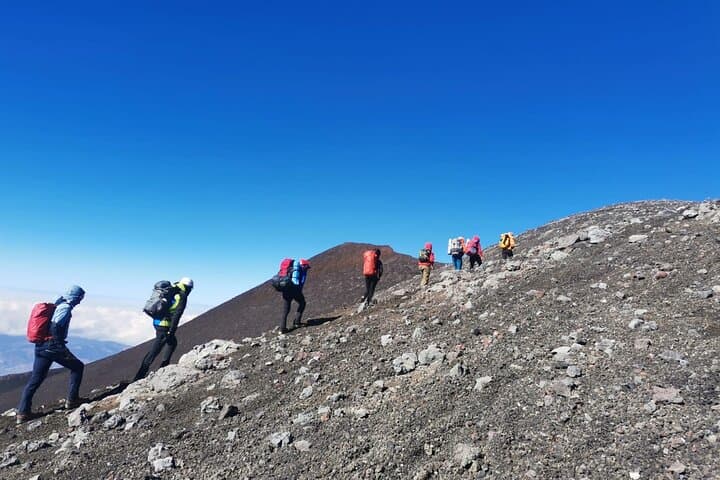
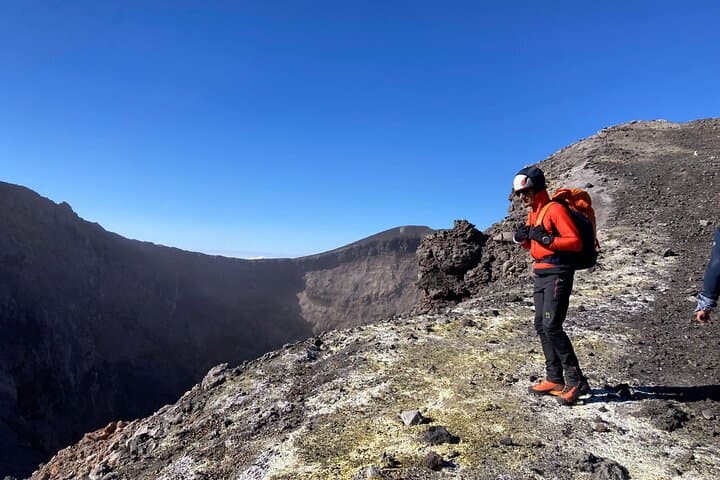
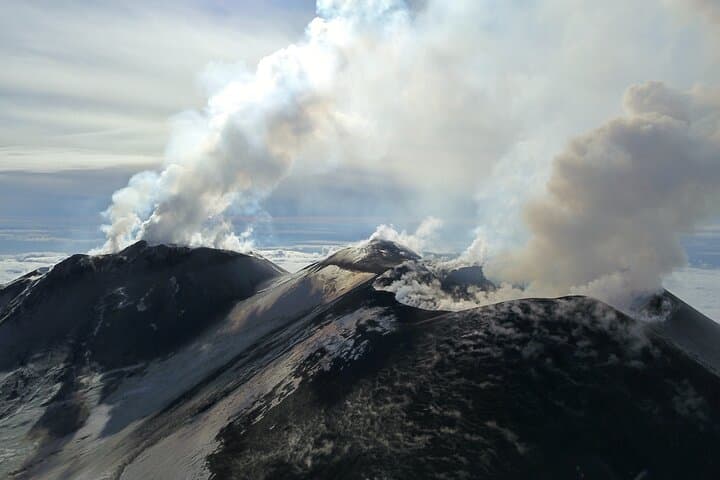
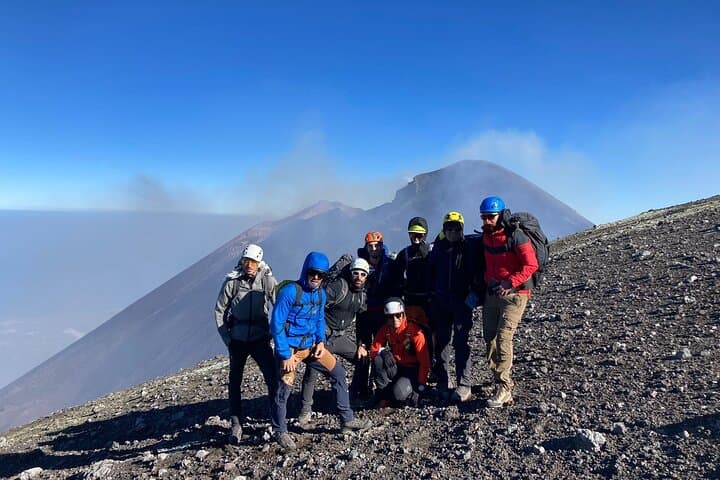
At 3,260 meters the summit on Mount Etna opens like a raw wound of rock and steam — fumaroles whisper, sulphur stains rim the crater, and the wind dares you forward. The excursion begins at 1,800 m where guides brief the group, then a convoy of specially adapted 4x4s climbs gravel and lava fields to 2,900 m. From there a 1.5–2 hour trek gains roughly 360 m to the edge of Bocca Nuova, offering close contact with fumaroles and a viewpoint that frames the Ionian Sea, Taormina, the Nebrodi and Madonie ranges, and on clear days the Aeolian archipelago.
At 3,260 meters the summit on Mount Etna opens like a raw wound of rock and steam — fumaroles whisper, sulphur stains rim the crater, and the wind dares you forward. The excursion begins at 1,800 m where guides brief the group, then a convoy of specially adapted 4x4s climbs gravel and lava fields to 2,900 m. From there a 1.5–2 hour trek gains roughly 360 m to the edge of Bocca Nuova, offering close contact with fumaroles and a viewpoint that frames the Ionian Sea, Taormina, the Nebrodi and Madonie ranges, and on clear days the Aeolian archipelago.
Etna is a UNESCO World Heritage site shaped by repeated eruptions; its slopes record flows, ash layers, and sulfur deposits that color the summit landscape. The northern side visited on this route exposes volcanic sand gullies and the broad scar of Valle del Bove, a moonscape of pumice and black basalt. Local culture ties to Etna through vineyards and small mountain farms — this tour includes a tasting and a glass of Etna wine at Montata Grande and is led by an authorized volcanological guide.
Practical guidance: wear sturdy hiking boots and gaiters for loose volcanic sand, layer for rapidly changing weather, carry 2–3 liters of water, and pace yourself for altitude. Helmets are provided; maximum group size is 10 per guide. Not recommended for pregnant travelers or those with serious heart or spinal conditions. Expect uneven terrain, strong winds on exposed ridges, and spectacular photographic opportunities on the descent through lunar gullies back to the parking area.