THE ADVENTURE COLLECTIVE® · Independent discovery and booking for outdoor travel

Hike the southern slopes of Mount Etna into the summit-area to see active craters, recent lava flows and the Valle del Bove. This 4–5 hour guided trek mixes raw volcanic geology with practical route advice for moderate hikers.
Hike the southern slopes of Mount Etna into the summit-area to see active craters, recent lava flows and the Valle del Bove. This 4–5 hour guided trek mixes raw volcanic geology with practical route advice for moderate hikers.
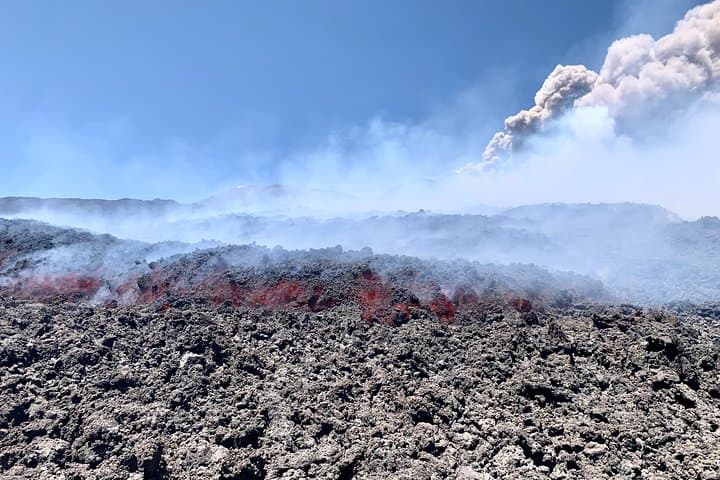
A wind-swept ridge opens and the black sand of recent flows grinds underfoot. On Etna’s southern flank the landscape changes by the hour—pockmarked craters, braided lava tongues, and a skyline punctured by steaming fumaroles. This trek begins near Rifugio Sapienza on the Bar Terrazza dell'Etna and moves into the summit-area zone that is visibly shaped by ongoing eruptions.
Verified experiences and guided adventures in the surrounding area.
Operated by ETNAHIKER · Nicolosi, Sicily
A wind-swept ridge opens and the black sand of recent flows grinds underfoot. On Etna’s southern flank the landscape changes by the hour—pockmarked craters, braided lava tongues, and a skyline punctured by steaming fumaroles. This trek begins near Rifugio Sapienza on the Bar Terrazza dell'Etna and moves into the summit-area zone that is visibly shaped by ongoing eruptions.
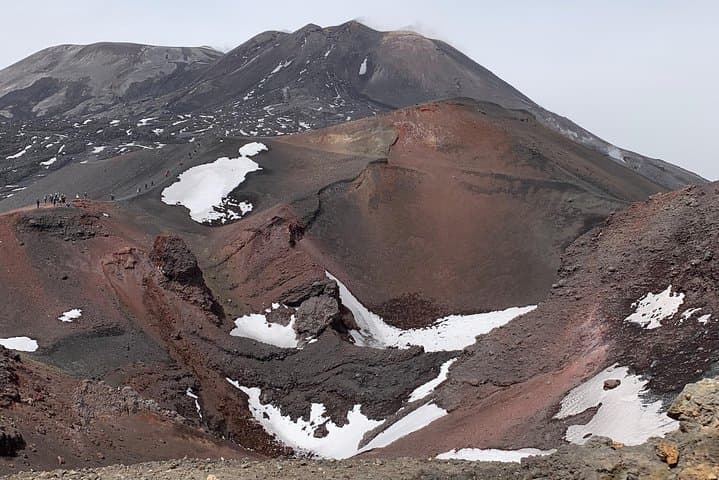
The volcano has been erupting for hundreds of thousands of years; Romans wrote of fiery displays here and lava repeatedly remade villages and vineyards. Geology is up close: layers of ash and clinker, aa and pahoehoe-like lobes, and the deep scar of Valle del Bove carved by collapse and flow. Local culture mixes rustic mountain hospitality from nearby Nicolosi and lava-aged wines from lower slopes.
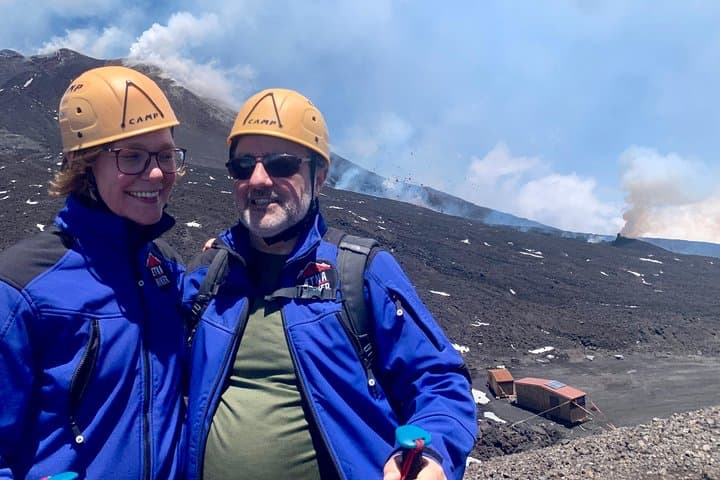
Practical route notes: expect loose, coarse volcanic scree and short steep pitches—this itinerary runs about 4–5 hours and includes views of summit craters, the Valle del Bove, a lava tube, and flows as recent as 2019. Guides typically provide helmets and some protective clothing; bring your own sturdy boots, layered insulation, sun protection, and 1.5–2 liters of water.
Timing matters: aim for morning departures to avoid afternoon wind and rapid weather shifts. Respect exclusion zones—rangers close parts of the summit during activity. With moderate fitness, basic scrambling and steady footing deliver one of Sicily’s most elemental mountain experiences: raw geology, sudden vistas, and the constant, quiet reminder that the earth here is still very much alive.
moderate.
4–5 hours.
Good steady cardiovascular fitness and stable balance for uneven, steep volcanic terrain
Moderate: sections of steep walking on loose volcanic scree require steady footing but no technical climbing gear.
Not always—the itinerary goes into the summit-area with crater views, but the true highest points may be closed during active eruptions and require specialized permits.
Guides commonly provide helmets and some protective gear; boots and personal layers should be your responsibility.
Not recommended for very young children or pregnant travelers; the operator advises moderate fitness and excludes those with serious cardiovascular issues.
Etna’s eruptions have shaped local settlement and agriculture for millennia; the volcano appears in ancient Roman records and has repeatedly rebuilt and reworked the island’s landscapes.
Volcanic soils host specialized plant communities; stay on marked paths to protect fragile regrowth and avoid looting of geological material.
ETNAHIKER operates guided outdoor trips and adventures with an emphasis on safety, stewardship, and memorable experiences.
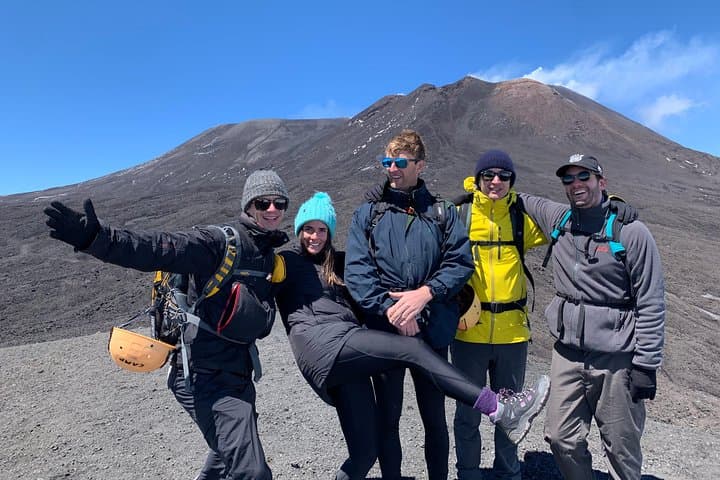
A wind-swept ridge opens and the black sand of recent flows grinds underfoot. On Etna’s southern flank the landscape changes by the hour—pockmarked craters, braided lava tongues, and a skyline punctured by steaming fumaroles. This trek begins near Rifugio Sapienza on the Bar Terrazza dell'Etna and moves into the summit-area zone that is visibly shaped by ongoing eruptions.
A wind-swept ridge opens and the black sand of recent flows grinds underfoot. On Etna’s southern flank the landscape changes by the hour—pockmarked craters, braided lava tongues, and a skyline punctured by steaming fumaroles. This trek begins near Rifugio Sapienza on the Bar Terrazza dell'Etna and moves into the summit-area zone that is visibly shaped by ongoing eruptions.
The volcano has been erupting for hundreds of thousands of years; Romans wrote of fiery displays here and lava repeatedly remade villages and vineyards. Geology is up close: layers of ash and clinker, aa and pahoehoe-like lobes, and the deep scar of Valle del Bove carved by collapse and flow. Local culture mixes rustic mountain hospitality from nearby Nicolosi and lava-aged wines from lower slopes.
Practical route notes: expect loose, coarse volcanic scree and short steep pitches—this itinerary runs about 4–5 hours and includes views of summit craters, the Valle del Bove, a lava tube, and flows as recent as 2019. Guides typically provide helmets and some protective clothing; bring your own sturdy boots, layered insulation, sun protection, and 1.5–2 liters of water.
Timing matters: aim for morning departures to avoid afternoon wind and rapid weather shifts. Respect exclusion zones—rangers close parts of the summit during activity. With moderate fitness, basic scrambling and steady footing deliver one of Sicily’s most elemental mountain experiences: raw geology, sudden vistas, and the constant, quiet reminder that the earth here is still very much alive.