THE ADVENTURE COLLECTIVE® · Independent discovery and booking for outdoor travel

A brisk morning hike on Mount Etna that reaches 2,000 m, visiting Silvestri craters and lava fields with guided pickup from Catania. Ideal for travelers who want a high-elevation volcanic experience without a full-day commitment.
A brisk morning hike on Mount Etna that reaches 2,000 m, visiting Silvestri craters and lava fields with guided pickup from Catania. Ideal for travelers who want a high-elevation volcanic experience without a full-day commitment.
You step out of the minivan at Rifugio Sapienza and the mountain meets you — wind chiseling the air, basalt underfoot and a horizon of old lava flows that still seem to be cooling. The guide points to a row of dark, collapsed craters; the trail threads between hummocks of volcanic rock and pockets of hardy shrubs that have learned to live on ash.
Verified experiences and guided adventures in the surrounding area.
Operated by lemontour · Catania, Sicily
You step out of the minivan at Rifugio Sapienza and the mountain meets you — wind chiseling the air, basalt underfoot and a horizon of old lava flows that still seem to be cooling. The guide points to a row of dark, collapsed craters; the trail threads between hummocks of volcanic rock and pockets of hardy shrubs that have learned to live on ash.
This short morning hike climbs toward 2,000 meters on Mount Etna’s southern slopes, moving past Crateri Silvestri and other lateral craters formed during 19th- and 20th-century eruptions. Etna’s geology is straightforward and raw: alternating layers of lava and ash, basaltic flows that once pushed towns aside, and recent cones perched above older terraces. Culturally, the volcano shapes local life — vineyards and orchards cling to lower slopes where mineral soils create distinctive flavors in Sicilian produce.
Expect a mix of packed dirt, loose scoria and basalt slabs; the terrain can be sharp and uneven, but the overall gain is moderate and the route is well-trafficked. The guide will interpret volcanic features and native plants while keeping pace comfortable for most walkers. Time your visit for morning to avoid the windier afternoons and for clearer views back toward Catania and the Ionian Sea.
Practical notes: wear sturdy footwear with good grip, layer for variable temperatures, carry 1–2 liters of water and sun protection, and bring a light wind shell. The tour includes pickup from Catania, transport, and a certified nature guide — an efficient way to experience Etna’s dramatic landscape if you have only a morning to spare.
moderate.
5 hours.
Suitable for most people who can walk for a few hours on uneven terrain; basic stamina and stable footing required.
The route is moderate—most people in reasonable health who can walk for 2–3 hours on uneven ground can join; guides set a steady pace with stops.
Most visitors do not experience severe symptoms at this elevation, but light headaches or breathlessness can occur; ascend slowly, hydrate and notify the guide if you feel unwell.
Yes: pickup and transfer from Catania hotels are included in the tour; the operator provides return to the pickup area around mid-afternoon.
No technical equipment is required for the standard morning hike to 2,000 m, but in winter conditions traction devices may be recommended by the guide.
Etna’s eruptions have shaped human settlement for centuries; notable events include the destructive 1669 eruption and later 19th-century cone-building episodes like the 1892 activity that formed Crateri Silvestri.
Etna hosts unique endemic plants on volcanic soils; stick to marked paths to protect fragile vegetation and avoid removing rocks or plant material.
lemontour operates guided outdoor trips and adventures with an emphasis on safety, stewardship, and memorable experiences.
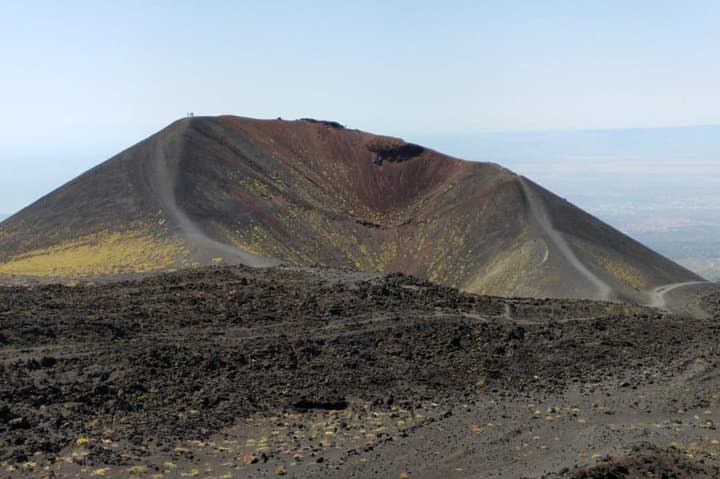
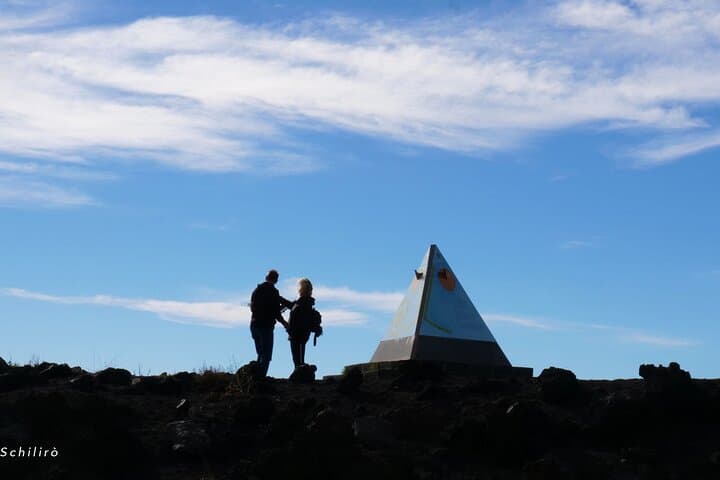
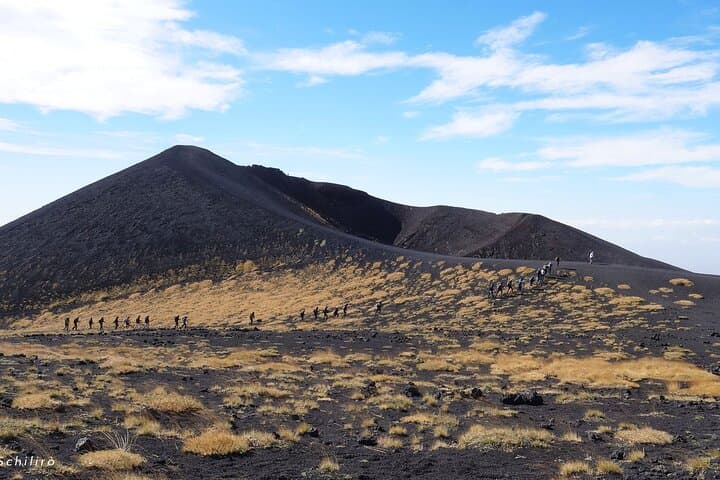
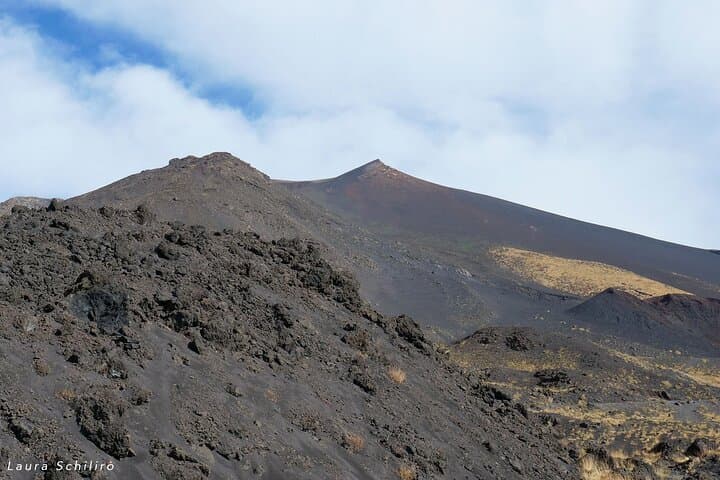
You step out of the minivan at Rifugio Sapienza and the mountain meets you — wind chiseling the air, basalt underfoot and a horizon of old lava flows that still seem to be cooling. The guide points to a row of dark, collapsed craters; the trail threads between hummocks of volcanic rock and pockets of hardy shrubs that have learned to live on ash.
You step out of the minivan at Rifugio Sapienza and the mountain meets you — wind chiseling the air, basalt underfoot and a horizon of old lava flows that still seem to be cooling. The guide points to a row of dark, collapsed craters; the trail threads between hummocks of volcanic rock and pockets of hardy shrubs that have learned to live on ash.
This short morning hike climbs toward 2,000 meters on Mount Etna’s southern slopes, moving past Crateri Silvestri and other lateral craters formed during 19th- and 20th-century eruptions. Etna’s geology is straightforward and raw: alternating layers of lava and ash, basaltic flows that once pushed towns aside, and recent cones perched above older terraces. Culturally, the volcano shapes local life — vineyards and orchards cling to lower slopes where mineral soils create distinctive flavors in Sicilian produce.
Expect a mix of packed dirt, loose scoria and basalt slabs; the terrain can be sharp and uneven, but the overall gain is moderate and the route is well-trafficked. The guide will interpret volcanic features and native plants while keeping pace comfortable for most walkers. Time your visit for morning to avoid the windier afternoons and for clearer views back toward Catania and the Ionian Sea.
Practical notes: wear sturdy footwear with good grip, layer for variable temperatures, carry 1–2 liters of water and sun protection, and bring a light wind shell. The tour includes pickup from Catania, transport, and a certified nature guide — an efficient way to experience Etna’s dramatic landscape if you have only a morning to spare.