THE ADVENTURE COLLECTIVE® · Independent discovery and booking for outdoor travel

Trek Mount Etna with a private guide on either a brisk half-day or a full, demanding day that reaches higher slopes and lava caves. Expect dramatic geology, changing ecosystems and a tasting of local Etna specialties at MontataGrande.
Trek Mount Etna with a private guide on either a brisk half-day or a full, demanding day that reaches higher slopes and lava caves. Expect dramatic geology, changing ecosystems and a tasting of local Etna specialties at MontataGrande.
You start on a blackened track where the air smells faintly of sulfur and resin, the sea a blue sliver below the slopes. The guide checks boots at the MontataGrande meeting point in Trecastagni, and the trail pulls you into a landscape that moves quickly from olive groves to stunted pine and then to raw lava fields that seem to dare your footsteps.
Verified experiences and guided adventures in the surrounding area.
Operated by EtnaExcursion.it · Trecastagni, Sicily
You start on a blackened track where the air smells faintly of sulfur and resin, the sea a blue sliver below the slopes. The guide checks boots at the MontataGrande meeting point in Trecastagni, and the trail pulls you into a landscape that moves quickly from olive groves to stunted pine and then to raw lava fields that seem to dare your footsteps.
Etna is a working mountain: its layers record millennia of eruptions and human adaptation. The altitude range here—sea level to more than 3,300 m—creates rapid shifts in vegetation, from cultivated pistachio terraces around Bronte to the lunar cliffs of the Valle del Bove, a collapsed amphitheater carved by past blasts.
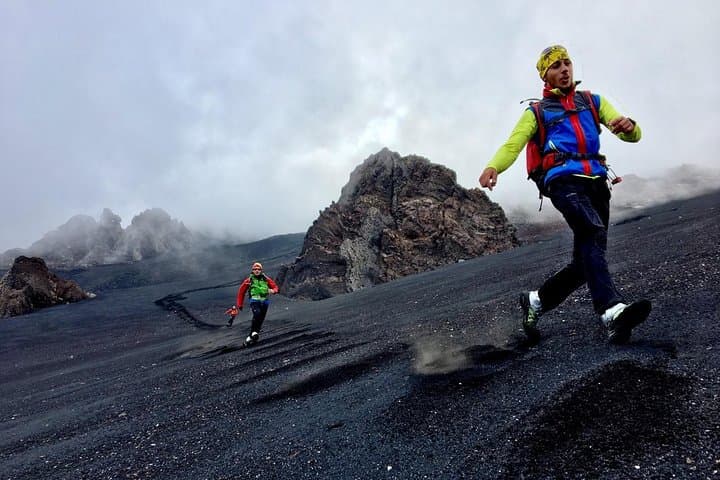
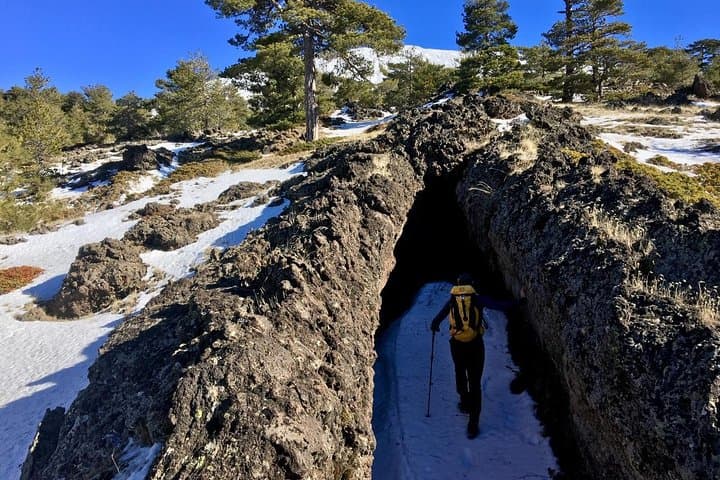
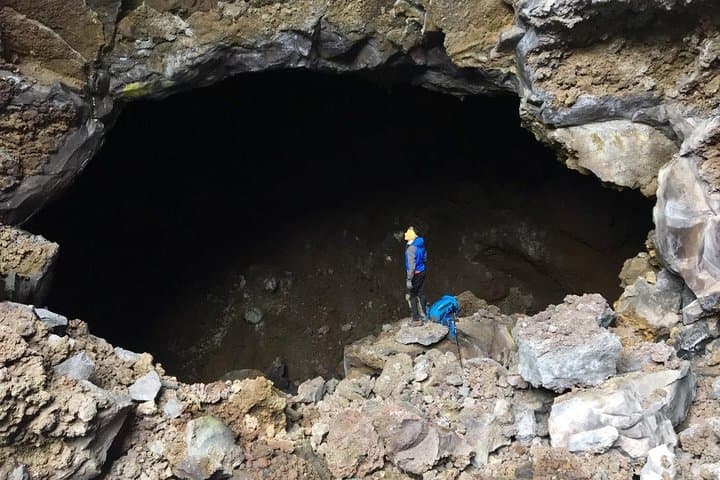
Local culture is visible in roadside wineries and agriturismi: many guided itineraries include a tasting of Etna wine, honey and pistachio products, a reminder that people have farmed these slopes for centuries. Geologically, you’ll encounter pahoehoe and aa lava types, ash benches and fumaroles; guided groups often visit lava caves when conditions allow.
Practically, pick the half-day if you want a 4–5 hour interpretive walk; reserve the full day (7–8+ hours) only if you’re fit and prepared for uneven terrain and higher exposure. Expect changing weather: mornings can be warm at low elevation and windy or cold higher up. Bring sturdy boots, windproof layers, sun protection and at least 2 liters of water. The route is guide-led; follow instructions, keep to marked paths and allow time for photo stops and local tastings. Whether you chase the raw geology or the quiet of the forests, Etna delivers a physically honest, sensory-rich hike with deep cultural roots.
challenging.
3–7 hours.
You should have moderate to high endurance — full-day routes are long with sustained uphill sections; half-day is suitable for fit recreational hikers.
Half-day treks are about 4–5 hours on trail; full-day itineraries run roughly 7–8+ hours and can include a visit to a volcanic cave.
Yes — the operator offers a shuttle from Catania for an extra fee; confirm pickup when booking.
Guides monitor volcanic activity and will cancel or reroute tours if conditions are unsafe; follow their instructions and cancellation policy applies for bad weather or activity.
This activity is not recommended for pregnant travelers or those with serious spinal/heart problems; infant seats and family options vary — ask the operator when booking.
Etna’s slopes have been farmed for millennia; the volcano and its lava soils shaped local livelihoods, from vineyards to pistachio orchards.
Etna is a protected regional park — stick to trails, avoid removing rocks or plants, and support local agriturismi to sustain traditional land uses.
EtnaExcursion.it operates guided outdoor trips and adventures with an emphasis on safety, stewardship, and memorable experiences.
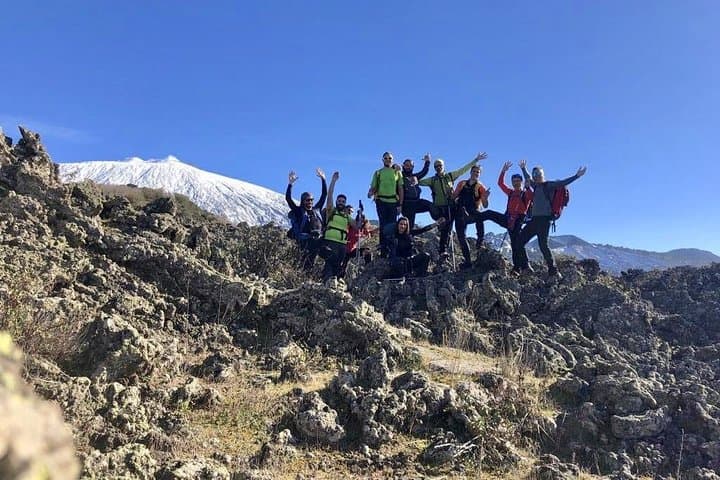
You start on a blackened track where the air smells faintly of sulfur and resin, the sea a blue sliver below the slopes. The guide checks boots at the MontataGrande meeting point in Trecastagni, and the trail pulls you into a landscape that moves quickly from olive groves to stunted pine and then to raw lava fields that seem to dare your footsteps.
You start on a blackened track where the air smells faintly of sulfur and resin, the sea a blue sliver below the slopes. The guide checks boots at the MontataGrande meeting point in Trecastagni, and the trail pulls you into a landscape that moves quickly from olive groves to stunted pine and then to raw lava fields that seem to dare your footsteps.
Etna is a working mountain: its layers record millennia of eruptions and human adaptation. The altitude range here—sea level to more than 3,300 m—creates rapid shifts in vegetation, from cultivated pistachio terraces around Bronte to the lunar cliffs of the Valle del Bove, a collapsed amphitheater carved by past blasts.
Local culture is visible in roadside wineries and agriturismi: many guided itineraries include a tasting of Etna wine, honey and pistachio products, a reminder that people have farmed these slopes for centuries. Geologically, you’ll encounter pahoehoe and aa lava types, ash benches and fumaroles; guided groups often visit lava caves when conditions allow.
Practically, pick the half-day if you want a 4–5 hour interpretive walk; reserve the full day (7–8+ hours) only if you’re fit and prepared for uneven terrain and higher exposure. Expect changing weather: mornings can be warm at low elevation and windy or cold higher up. Bring sturdy boots, windproof layers, sun protection and at least 2 liters of water. The route is guide-led; follow instructions, keep to marked paths and allow time for photo stops and local tastings. Whether you chase the raw geology or the quiet of the forests, Etna delivers a physically honest, sensory-rich hike with deep cultural roots.