THE ADVENTURE COLLECTIVE® · Independent discovery and booking for outdoor travel

Hike Etna’s lunar slopes from a 1,900 m trailhead, explore a lava tube with helmets and torches, then relax with tastings of Etna wines and local specialties. This full-day guided experience blends geology, culture and food in one sharp, memorable loop.
Hike Etna’s lunar slopes from a 1,900 m trailhead, explore a lava tube with helmets and torches, then relax with tastings of Etna wines and local specialties. This full-day guided experience blends geology, culture and food in one sharp, memorable loop.
You step out of an air-conditioned van and the ground changes its voice — black, cracked, and still warm with memory. At roughly 1,900 meters the landscape opens: extinct craters rim the horizon, millennia-old lava flows slope toward the Ionian Sea, and the air is thin and sharp enough to make each breath count.
Verified experiences and guided adventures in the surrounding area.
Operated by My Siracusa · Nicolosi, Sicily
You step out of an air-conditioned van and the ground changes its voice — black, cracked, and still warm with memory. At roughly 1,900 meters the landscape opens: extinct craters rim the horizon, millennia-old lava flows slope toward the Ionian Sea, and the air is thin and sharp enough to make each breath count.
Mount Etna is Europe’s highest active volcano and a living laboratory of basaltic eruptions. The trek moves across compacted lava and volcanic ash, where geology reads like storybooks of past eruptions: pahoehoe sheets, blocky ʻaʻā fields and collapsed lava tubes. Guides point out centuries-old terraces where vines cling to porous rock; Etna’s microclimate produces distinctive wines fed by mineral-rich soils and volcanic heat.
The tour includes a short, guided cave exploration with helmets and torches; stepping inside a lava tube gives a visceral sense of subterranean flow and the processes that shaped the mountain. After the hike, a local cellar offers tasting of Etna wines and regional bites — pistachio specialties, olive oil, ricotta-based treats — pairing flavors with the land that grew them.
Practical notes: plan for 6–7 hours including transfers from Syracuse, bring sturdy boots and layered clothing for variable mountain weather, and carry at least 1–2 liters of water. The route is uneven but non-technical; expect walking on loose rock and moderate slopes. Respect marked trails, follow your guide in caves, and save time for the winery — it’s the best way to taste how fire and soil make a place.
moderate.
6–7 hours.
Suitable for hikers with basic fitness who can handle 3–4 hours of walking on uneven volcanic terrain and short elevation changes.
The route is non-technical but uneven; a novice in reasonable shape can complete it with breaks—inform the operator of mobility limits when booking.
Children aged 4+ can enter with helmets and supervision; assess comfort in tight, dark spaces and follow guide instructions closely.
Most visitors acclimatize fine, but if you feel lightheaded or nauseous, tell the guide—pacing, hydration and rest usually help.
No; Italian law restricts serving alcohol to those under 18—non-alcoholic options and food tastings are available for younger guests.
Etna’s eruptions have shaped human settlement for millennia; farmers long ago learned to farm and vine on porous lava soils, creating a distinct Etna wine tradition.
Access is regulated on sensitive slopes—stay on marked trails, avoid removing rocks or plants, and support local producers who practice sustainable agriculture.
My Siracusa operates guided outdoor trips and adventures with an emphasis on safety, stewardship, and memorable experiences.
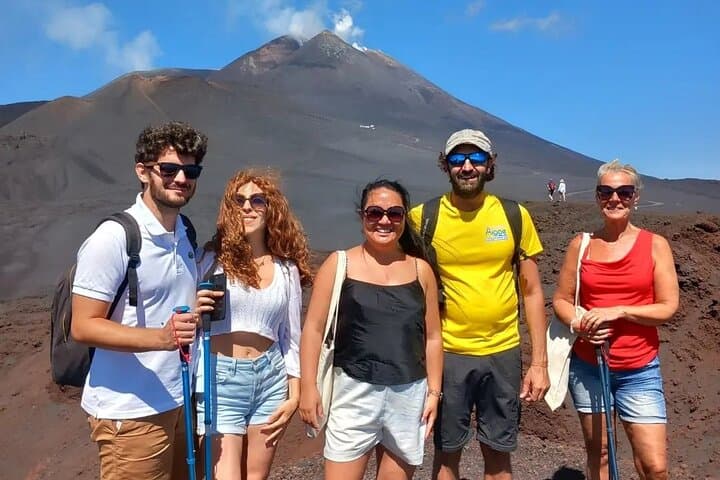
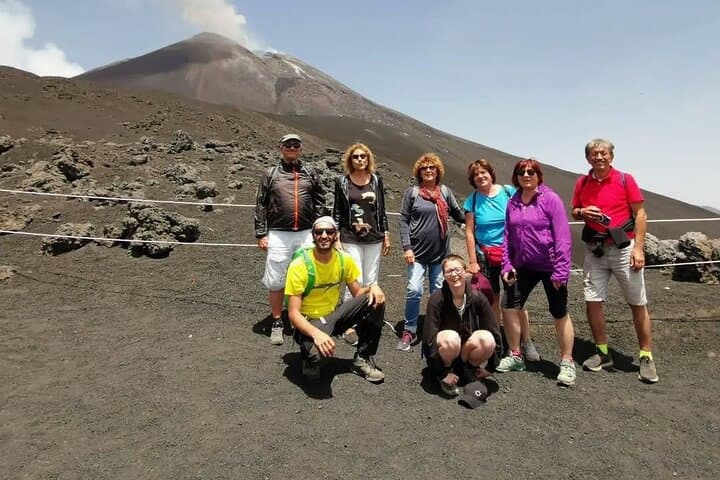
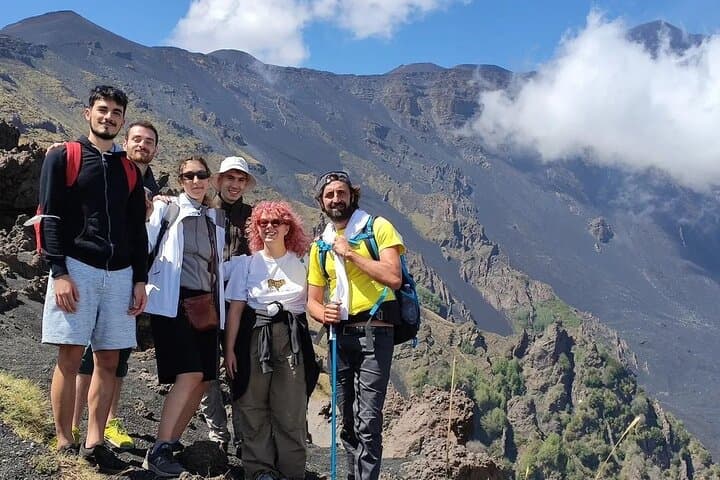
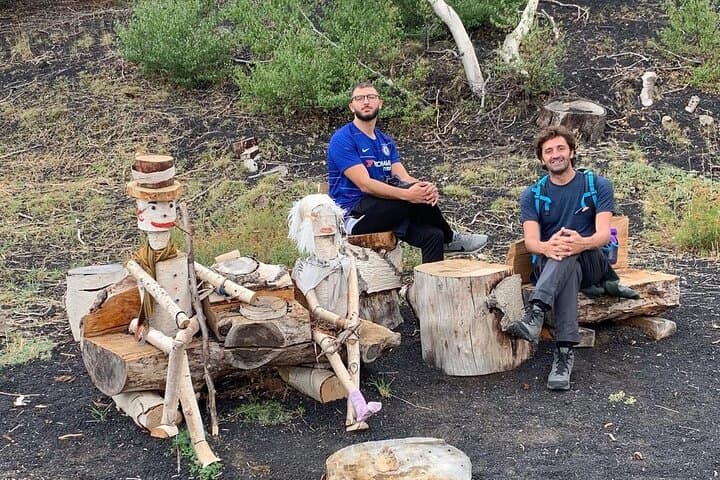
You step out of an air-conditioned van and the ground changes its voice — black, cracked, and still warm with memory. At roughly 1,900 meters the landscape opens: extinct craters rim the horizon, millennia-old lava flows slope toward the Ionian Sea, and the air is thin and sharp enough to make each breath count.
You step out of an air-conditioned van and the ground changes its voice — black, cracked, and still warm with memory. At roughly 1,900 meters the landscape opens: extinct craters rim the horizon, millennia-old lava flows slope toward the Ionian Sea, and the air is thin and sharp enough to make each breath count.
Mount Etna is Europe’s highest active volcano and a living laboratory of basaltic eruptions. The trek moves across compacted lava and volcanic ash, where geology reads like storybooks of past eruptions: pahoehoe sheets, blocky ʻaʻā fields and collapsed lava tubes. Guides point out centuries-old terraces where vines cling to porous rock; Etna’s microclimate produces distinctive wines fed by mineral-rich soils and volcanic heat.
The tour includes a short, guided cave exploration with helmets and torches; stepping inside a lava tube gives a visceral sense of subterranean flow and the processes that shaped the mountain. After the hike, a local cellar offers tasting of Etna wines and regional bites — pistachio specialties, olive oil, ricotta-based treats — pairing flavors with the land that grew them.
Practical notes: plan for 6–7 hours including transfers from Syracuse, bring sturdy boots and layered clothing for variable mountain weather, and carry at least 1–2 liters of water. The route is uneven but non-technical; expect walking on loose rock and moderate slopes. Respect marked trails, follow your guide in caves, and save time for the winery — it’s the best way to taste how fire and soil make a place.