THE ADVENTURE COLLECTIVE® · Independent discovery and booking for outdoor travel

Explore Mount Etna's side craters on a family-friendly guided hike. This 5–7 hour tour mixes short climbs across pumice and basalt with clear explanations of Etna’s eruptions and local culture.
Explore Mount Etna's side craters on a family-friendly guided hike. This 5–7 hour tour mixes short climbs across pumice and basalt with clear explanations of Etna’s eruptions and local culture.
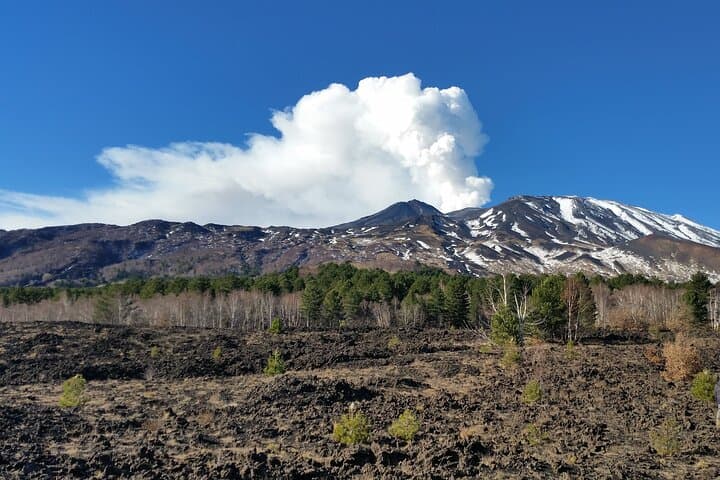
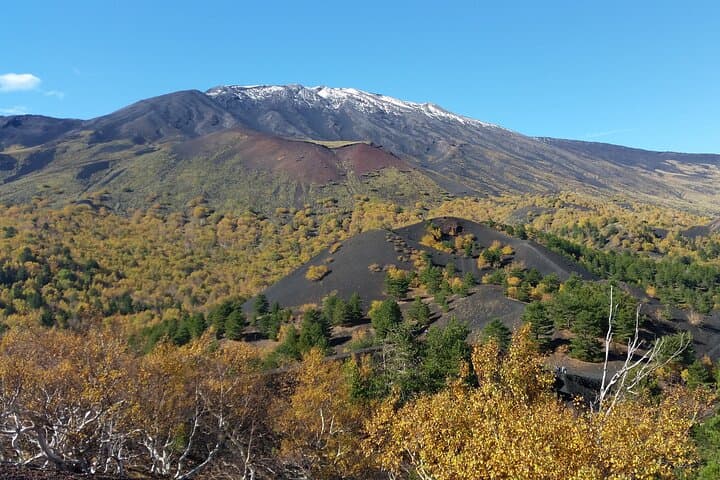
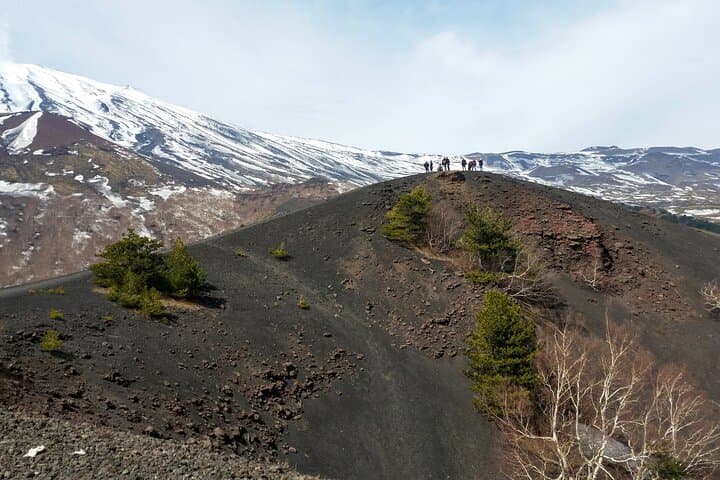
You step out of a cool minivan onto black pumice and the air tastes faintly of sulfur; above you, a rim of jagged rock frames a sky that changes color with the sun. The guide points to a bleached band of lava and the group fans out, walking a nature trail that threads birch stands and recent lava flows toward a side crater.
Verified experiences and guided adventures in the surrounding area.
Operated by EtnaWay · Nicolosi, Sicily
You step out of a cool minivan onto black pumice and the air tastes faintly of sulfur; above you, a rim of jagged rock frames a sky that changes color with the sun. The guide points to a bleached band of lava and the group fans out, walking a nature trail that threads birch stands and recent lava flows toward a side crater.
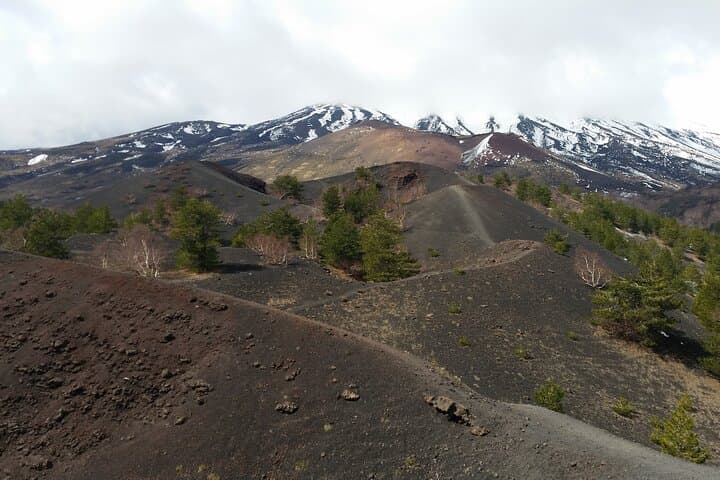
Mount Etna is a living landscape — a volcano shaped by repeated eruptions, glacial-age soils, and centuries of local lore. The side craters you visit are piles of pyroclastic scoria and basaltic slabs that record past eruptions; their textures range from glassy, brittle rock to rough, iron-dark scoria you can pick up and hold. Nearby villages have long treated Etna as both threat and resource: its ash enriches vineyards that produce robust Nerello wines.
Expect varied terrain: packed volcanic sand, rocky slabs, and a short climb to the crater rim at roughly 1,660–1,900 m elevation depending on the route. The pace is family-friendly but stumpy rock and loose scree demand steady footwear and attention.
Practical notes: tours commonly take 5–7 hours door-to-door and include a certified guide, trekking poles, wind jackets and helmets. Sunscreen, layered clothing, and 1–2 liters of water per adult are wise. Altitude and volcanic gases can affect sensitive people — follow guides’ directions and avoid straying off marked paths. By late afternoon the light brings out colors in the lava that look almost metallic; the mountain’s silence can feel intentional, as if the craters themselves watch you pass.
moderate.
5–7 hours.
Suitable for most adults and older children in reasonable shape; expect short, steep sections and uneven volcanic terrain.
Yes — the tour is marketed as family-friendly; operators provide child seats for transfers and adjust pace, but children should be comfortable on uneven ground.
The hike and viewpoints on this itinerary typically reach around 1,660–1,900 meters above sea level, depending on route and crater visited.
Yes — most operators include helmets, trekking poles and wind jackets as part of the tour equipment.
This tour is not recommended for people with serious cardiovascular or respiratory conditions due to altitude and potential volcanic gases; consult your physician and the operator.
Local communities have farmed Etna’s slopes for centuries; volcanic soils support distinctive vineyards and small hamlets with strong culinary traditions.
Visitors should stick to marked paths to avoid fragile regrowth on young lava fields; operators promote low-impact practices and limit group sizes.
EtnaWay operates guided outdoor trips and adventures with an emphasis on safety, stewardship, and memorable experiences.
You step out of a cool minivan onto black pumice and the air tastes faintly of sulfur; above you, a rim of jagged rock frames a sky that changes color with the sun. The guide points to a bleached band of lava and the group fans out, walking a nature trail that threads birch stands and recent lava flows toward a side crater.
You step out of a cool minivan onto black pumice and the air tastes faintly of sulfur; above you, a rim of jagged rock frames a sky that changes color with the sun. The guide points to a bleached band of lava and the group fans out, walking a nature trail that threads birch stands and recent lava flows toward a side crater.
Mount Etna is a living landscape — a volcano shaped by repeated eruptions, glacial-age soils, and centuries of local lore. The side craters you visit are piles of pyroclastic scoria and basaltic slabs that record past eruptions; their textures range from glassy, brittle rock to rough, iron-dark scoria you can pick up and hold. Nearby villages have long treated Etna as both threat and resource: its ash enriches vineyards that produce robust Nerello wines.
Expect varied terrain: packed volcanic sand, rocky slabs, and a short climb to the crater rim at roughly 1,660–1,900 m elevation depending on the route. The pace is family-friendly but stumpy rock and loose scree demand steady footwear and attention.
Practical notes: tours commonly take 5–7 hours door-to-door and include a certified guide, trekking poles, wind jackets and helmets. Sunscreen, layered clothing, and 1–2 liters of water per adult are wise. Altitude and volcanic gases can affect sensitive people — follow guides’ directions and avoid straying off marked paths. By late afternoon the light brings out colors in the lava that look almost metallic; the mountain’s silence can feel intentional, as if the craters themselves watch you pass.