THE ADVENTURE COLLECTIVE® · Independent discovery and booking for outdoor travel

Ride up Etna at sunset in a 4x4, walk along side craters at ~2,000 m, enter a lava tube, and finish with a Sicilian sweet aperitif as the summit fades to dusk. Practical tips on footwear, layers, and timing included.
Ride up Etna at sunset in a 4x4, walk along side craters at ~2,000 m, enter a lava tube, and finish with a Sicilian sweet aperitif as the summit fades to dusk. Practical tips on footwear, layers, and timing included.
The last light leans across Etna’s flanks and the 4x4 rumbles up loose volcanic gravel, dusting boots with basalt powder. Guides close ranks, engines soften, and the crater rims cut silhouettes against a sky flipping from gold to bruised purple. Small groups move from lava fields to a panoramic lip where the Valle del Bove opens like a geological page you can read.
Verified experiences and guided adventures in the surrounding area.
Operated by EtnaExcursion.it · Trecastagni, Sicily
The last light leans across Etna’s flanks and the 4x4 rumbles up loose volcanic gravel, dusting boots with basalt powder. Guides close ranks, engines soften, and the crater rims cut silhouettes against a sky flipping from gold to bruised purple. Small groups move from lava fields to a panoramic lip where the Valle del Bove opens like a geological page you can read.
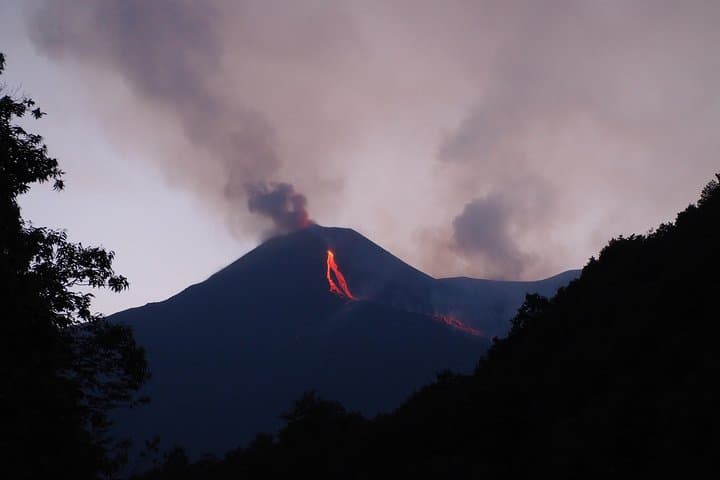
This route tracks the volcano’s recent and ancient history: pahoehoe and ’a‘ā textures, dark compound flows, and collapsed amphitheaters formed by major flank failures. Mount Etna is Europe’s most active volcano and a landscape shaped by repeated eruptions, lava tubes, and layers of lava that record centuries of activity. Local farms cling to the lower slopes; vineyards and citrus groves practice a rugged, volcanic agriculture that has fed Sicilian culture for generations.
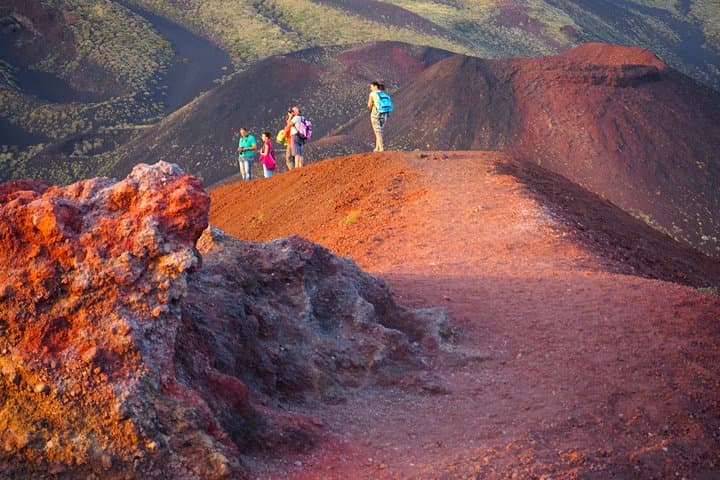
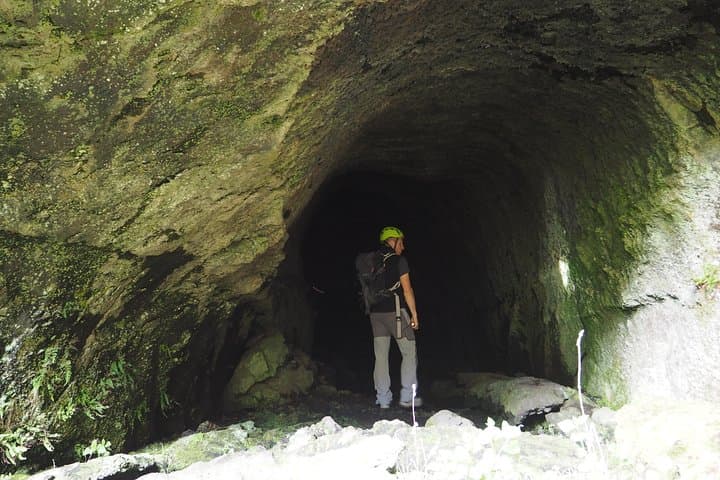
Expect a mix of vehicle access and short guided walks—one to side craters near 2,000 m and a descent into a lava tube using helmets and lights. The finale is low-sunside: a small tasting of local Etna honey, biscuits and raisin wine served at a rustic agriturismo while the sun cools.
Practical edge: closed trekking shoes are compulsory, temperatures drop quickly after sunset, and high winds can make exposed ridgelines chilly. Guides provide helmets and basic lighting for the cave; bring a warm windproof layer, a headlamp for personal use, and 1–1.5 liters of water. The meeting point at MontataGrande in Trecastagni offers parking and basic facilities—plan transport from Catania and confirm any requested shuttle in advance.
moderate.
5 hours.
Suitable for people in average fitness: short walks on uneven, rocky ground and periods standing at viewpoints.
Meet at MontataGrande in Trecastagni; free parking, toilets and basic facilities are available at the meeting point.
Yes—guides provide helmets and cave lighting; bringing a personal headlamp is recommended.
Infant seats are available, but children should be able to manage short uneven walks; the operator requires closed shoes for all participants.
Shuttle service from Catania or other points can be requested—confirm pickup during booking and allow extra time for transfers.
Etna’s eruptive history spans millennia; ancient Greeks recorded eruptions and local communities have adapted farming practices to the volcanic soils for centuries.
Stay on marked paths, avoid collecting rocks or plants, and respect restricted zones to protect fragile volcanic soils and ongoing geological research.
EtnaExcursion.it operates guided outdoor trips and adventures with an emphasis on safety, stewardship, and memorable experiences.
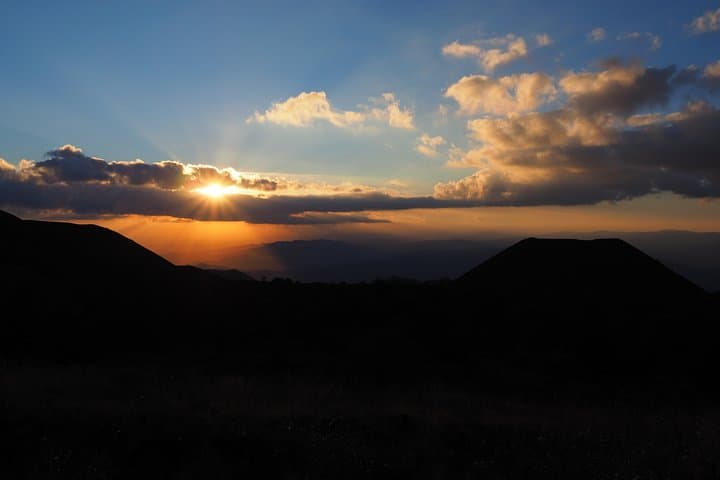
The last light leans across Etna’s flanks and the 4x4 rumbles up loose volcanic gravel, dusting boots with basalt powder. Guides close ranks, engines soften, and the crater rims cut silhouettes against a sky flipping from gold to bruised purple. Small groups move from lava fields to a panoramic lip where the Valle del Bove opens like a geological page you can read.
The last light leans across Etna’s flanks and the 4x4 rumbles up loose volcanic gravel, dusting boots with basalt powder. Guides close ranks, engines soften, and the crater rims cut silhouettes against a sky flipping from gold to bruised purple. Small groups move from lava fields to a panoramic lip where the Valle del Bove opens like a geological page you can read.
This route tracks the volcano’s recent and ancient history: pahoehoe and ’a‘ā textures, dark compound flows, and collapsed amphitheaters formed by major flank failures. Mount Etna is Europe’s most active volcano and a landscape shaped by repeated eruptions, lava tubes, and layers of lava that record centuries of activity. Local farms cling to the lower slopes; vineyards and citrus groves practice a rugged, volcanic agriculture that has fed Sicilian culture for generations.
Expect a mix of vehicle access and short guided walks—one to side craters near 2,000 m and a descent into a lava tube using helmets and lights. The finale is low-sunside: a small tasting of local Etna honey, biscuits and raisin wine served at a rustic agriturismo while the sun cools.
Practical edge: closed trekking shoes are compulsory, temperatures drop quickly after sunset, and high winds can make exposed ridgelines chilly. Guides provide helmets and basic lighting for the cave; bring a warm windproof layer, a headlamp for personal use, and 1–1.5 liters of water. The meeting point at MontataGrande in Trecastagni offers parking and basic facilities—plan transport from Catania and confirm any requested shuttle in advance.