THE ADVENTURE COLLECTIVE® · Independent discovery and booking for outdoor travel

Spend a full day on Sicily’s spectacular contrasts: a non-technical hike on Mount Etna’s craters followed by a relaxed stroll through Taormina’s historic Corso Umberto. Expect volcanic vistas, local farm tastings, and easy walking across varied terrain.
Spend a full day on Sicily’s spectacular contrasts: a non-technical hike on Mount Etna’s craters followed by a relaxed stroll through Taormina’s historic Corso Umberto. Expect volcanic vistas, local farm tastings, and easy walking across varied terrain.
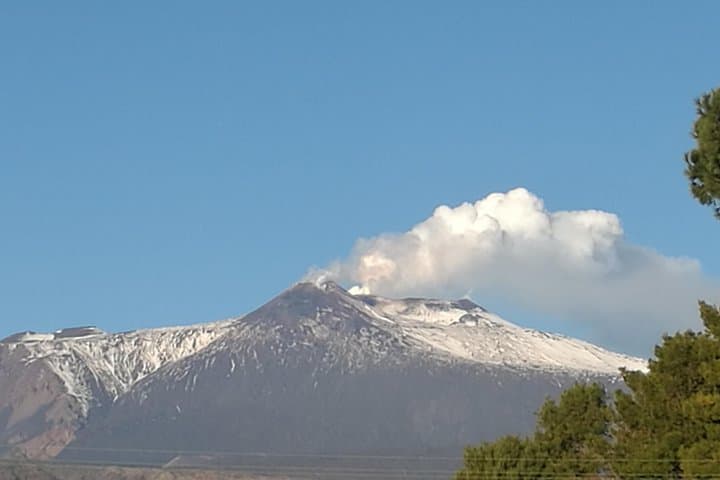
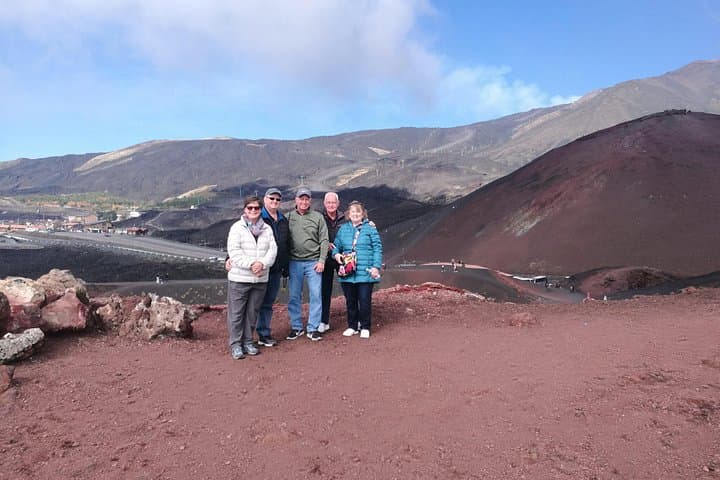
You start the day on the southern flank of Mount Etna, wind pushing ash and citrus-scented air past your jacket as the slopes open into black lava fields and scabbed craters. The trail at Rifugio Sapienza leads to Crateri Silvestri—small, accessible cones that allow a close look at cooled lava and volcanic debris without technical climbing—while the island of Sicily unfolds below like a living map.
Verified experiences and guided adventures in the surrounding area.
Operated by Journeys Around Sicily · Zafferana Etnea, Sicily
You start the day on the southern flank of Mount Etna, wind pushing ash and citrus-scented air past your jacket as the slopes open into black lava fields and scabbed craters. The trail at Rifugio Sapienza leads to Crateri Silvestri—small, accessible cones that allow a close look at cooled lava and volcanic debris without technical climbing—while the island of Sicily unfolds below like a living map.
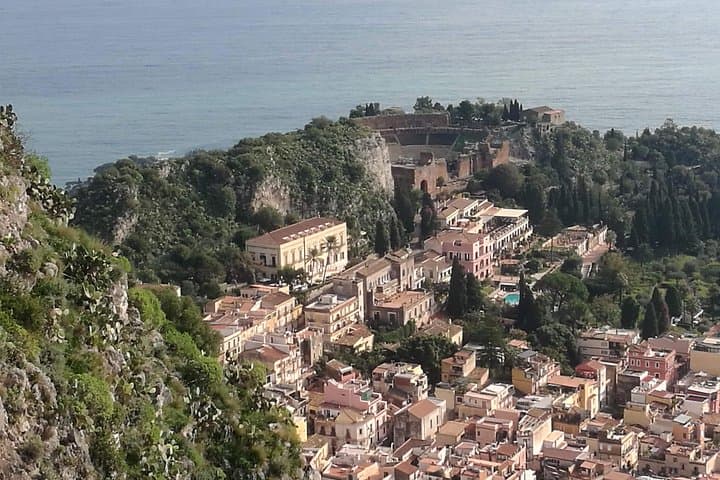
Geology here is immediate: Etna is Europe’s highest active volcano, a composite cone shaped by centuries of eruptions that created layered lava flows and fertile soils. History sits in the towns you visit—Taormina’s Greek theatre and medieval lanes reflect a string of civilizations, and the farms around Zafferana Etnea have grown resilient crops from volcanic earth for generations.
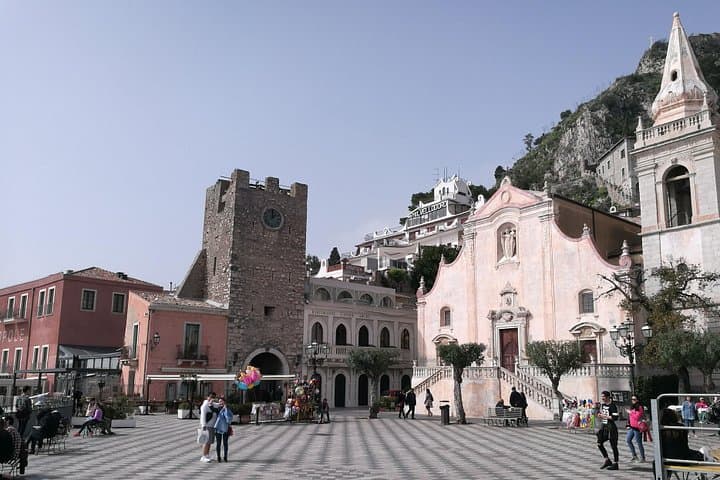
Expect two distinct halves: a gentle, high-altitude walk on rough volcanic scree and a cultured town stroll. The hike to the Silvestri craters is largely non-technical but uneven underfoot and exposed to sun and wind; Taormina’s Corso Umberto offers cobbled streets, cafés, and sweeping views over the Ionian Sea.
Practical guidance: the full excursion runs about 6–8 hours with transfers; bring closed, grippy shoes, layers for rapid temperature change, sun protection, and 1–2 liters of water. Allow time for a farm tasting in Zafferana to sample honey and wines born of lava soil. Tours typically include a driver-guide and basic local taxes, but check exact pickup points and whether any cable-car or shuttle options to higher slopes are included. Start early to avoid afternoon wind and crowds and to get the clearest views of Etna and Taormina.
easy.
6–8 hours.
Suitable for most people in average fitness; involves short walks on uneven volcanic terrain and standing during town visits.
The hike to Crateri Silvestri is non-technical and suitable for most fitness levels; expect uneven ground and short uphill sections at altitude.
Tours commonly include a driver-guide and local taxes; confirm pickup location and whether any cable-car or shuttle to higher viewpoints is part of the itinerary.
No—this day trip visits accessible craters and refuge areas (Rifugio Sapienza and Crateri Silvestri) but does not include summit ascent, which requires specialized gear and guides.
Some tours include a farm tasting in Zafferana Etnea; full meals are usually not included so check the tour details and plan for snacks or lunch options in Taormina.
Etna’s eruptions shaped local settlement patterns; nearby Taormina preserves Greek and Roman remains that speak to centuries of Mediterranean trade and culture.
Stick to marked paths to limit erosion on fragile volcanic soils and respect farm properties; local guides often emphasize Leave No Trace and support community tourism.
Journeys Around Sicily operates guided outdoor trips and adventures with an emphasis on safety, stewardship, and memorable experiences.
You start the day on the southern flank of Mount Etna, wind pushing ash and citrus-scented air past your jacket as the slopes open into black lava fields and scabbed craters. The trail at Rifugio Sapienza leads to Crateri Silvestri—small, accessible cones that allow a close look at cooled lava and volcanic debris without technical climbing—while the island of Sicily unfolds below like a living map.
You start the day on the southern flank of Mount Etna, wind pushing ash and citrus-scented air past your jacket as the slopes open into black lava fields and scabbed craters. The trail at Rifugio Sapienza leads to Crateri Silvestri—small, accessible cones that allow a close look at cooled lava and volcanic debris without technical climbing—while the island of Sicily unfolds below like a living map.
Geology here is immediate: Etna is Europe’s highest active volcano, a composite cone shaped by centuries of eruptions that created layered lava flows and fertile soils. History sits in the towns you visit—Taormina’s Greek theatre and medieval lanes reflect a string of civilizations, and the farms around Zafferana Etnea have grown resilient crops from volcanic earth for generations.
Expect two distinct halves: a gentle, high-altitude walk on rough volcanic scree and a cultured town stroll. The hike to the Silvestri craters is largely non-technical but uneven underfoot and exposed to sun and wind; Taormina’s Corso Umberto offers cobbled streets, cafés, and sweeping views over the Ionian Sea.
Practical guidance: the full excursion runs about 6–8 hours with transfers; bring closed, grippy shoes, layers for rapid temperature change, sun protection, and 1–2 liters of water. Allow time for a farm tasting in Zafferana to sample honey and wines born of lava soil. Tours typically include a driver-guide and basic local taxes, but check exact pickup points and whether any cable-car or shuttle options to higher slopes are included. Start early to avoid afternoon wind and crowds and to get the clearest views of Etna and Taormina.