THE ADVENTURE COLLECTIVE® · Independent discovery and booking for outdoor travel

Spend a full day between Mount Etna’s wind-scoured ridgelines and the basalt cliffs of the Alcantara Gorges. This guided tour mixes volcanic geology, short hikes and a dramatic river canyon for a compact look at Sicily’s raw landscapes.
Spend a full day between Mount Etna’s wind-scoured ridgelines and the basalt cliffs of the Alcantara Gorges. This guided tour mixes volcanic geology, short hikes and a dramatic river canyon for a compact look at Sicily’s raw landscapes.
You step out of the air-conditioned van into thin, fragrant air and the slope of Etna opens above you — black rock threaded with scrub and stands of hardy pine. The path climbs toward a viewpoint at roughly 1,900–2,000 m where the island’s geology reads like a layered diary: pumice, older explosive deposits, and fresh-looking ʻaʻā flows scarred by recent eruptions.
Verified experiences and guided adventures in the surrounding area.
Operated by MrExcursions · Catania, Sicily
You step out of the air-conditioned van into thin, fragrant air and the slope of Etna opens above you — black rock threaded with scrub and stands of hardy pine. The path climbs toward a viewpoint at roughly 1,900–2,000 m where the island’s geology reads like a layered diary: pumice, older explosive deposits, and fresh-looking ʻaʻā flows scarred by recent eruptions.
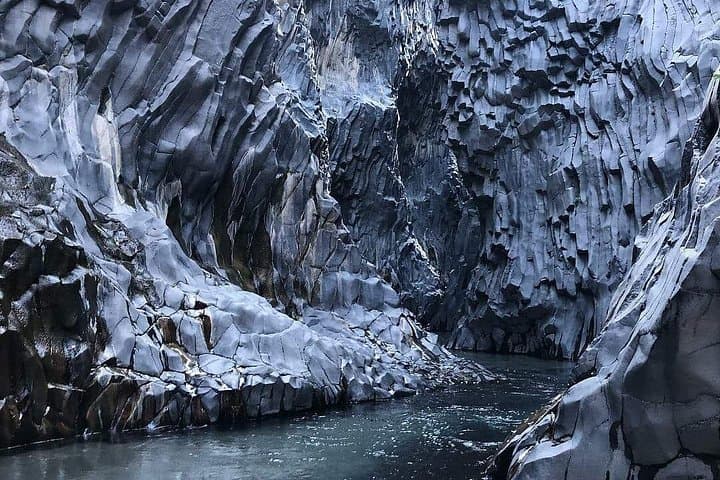
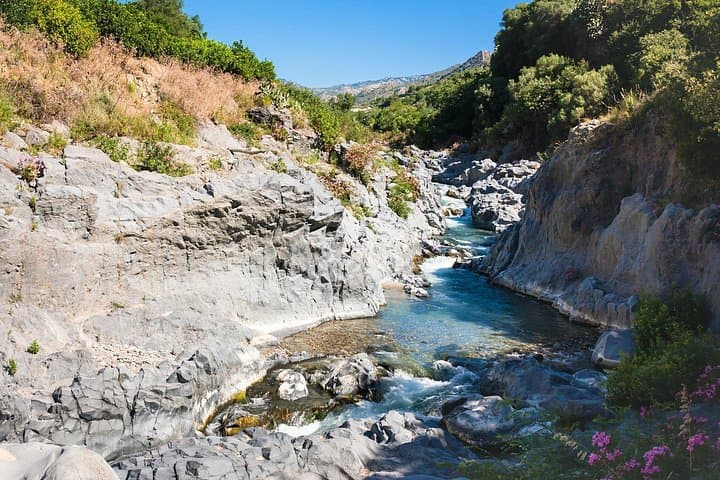
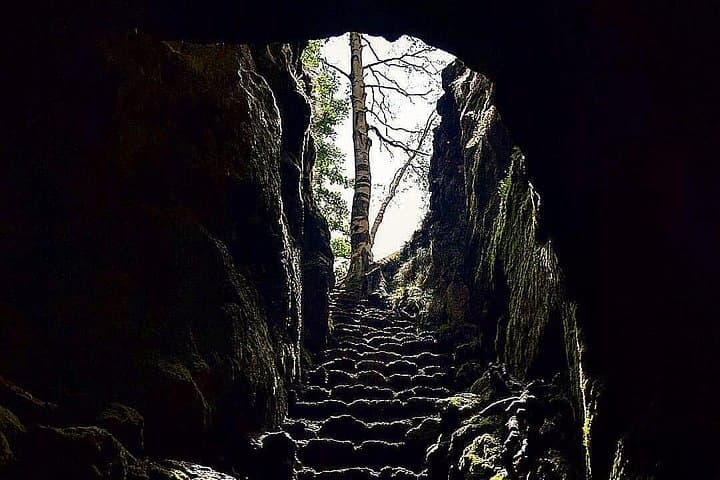
This day tour pairs Etna’s volcanic landscapes with the Alcantara Gorges, where a river has cut deep into columnar basalt to reveal vertical, hexagonal walls and swirling pools. Etna has erupted for hundreds of thousands of years and is a living landscape: craters, lava tunnels and recent flow fields tell stories of heat and movement. Alcantara’s basalt columns formed as lava chilled against water, later sculpted by the river during the Holocene.
Locally, hill towns around Etna farm grapes and citrus in ash-rich soils; guide commentary often includes myths about fire gods and practical notes on local wine and architecture.
Practical guidance: expect a 7–8 hour outing with multiple short walks on uneven volcanic rock and a flatter section at the gorge. Wear sturdy hiking shoes, layers for wind and temperature swings at altitude, and bring 1.5–2 liters of water. The route is moderate in effort but can feel exposed and brisk near higher viewpoints. The tour typically includes a professional guide, use of a walking stick and transport between sites; Alcantara admission is covered. Time your day for clearer light in the morning or late afternoon; midday can be hazy. Respect fenced areas, stay on marked paths and carry any trash out — volcanic soils and riparian zones are sensitive to disturbance.
moderate.
7–8 hours.
Suitable for people who can handle several short hikes and some elevation gain; reasonable cardiovascular fitness and steady balance recommended.
The tour is rated moderate: several short walks over uneven terrain, some ascending to viewpoints around 1,900–2,000 m; it’s suitable for most active travelers.
Infants and small children can be accommodated, but some walking sections are uneven and not stroller-friendly; check with the operator for child seating arrangements in the vehicle.
Non-slip shoes for river-side sections, a light layer, and a camera; the operator usually provides the gorge admission ticket.
Yes—operators may cancel for unsafe conditions at altitude; the cancellation policy typically allows a full refund if made at least 24 hours before departure.
Mount Etna has been active for hundreds of thousands of years and is a UNESCO World Heritage site; Alcantara’s basalt columns formed when lava cooled against ancient river channels and were later exposed by erosion.
Stay on marked trails and avoid removing rocks or plants — volcanic soils and river ecosystems around Alcantara are fragile and recover slowly from disturbance.
MrExcursions operates guided outdoor trips and adventures with an emphasis on safety, stewardship, and memorable experiences.
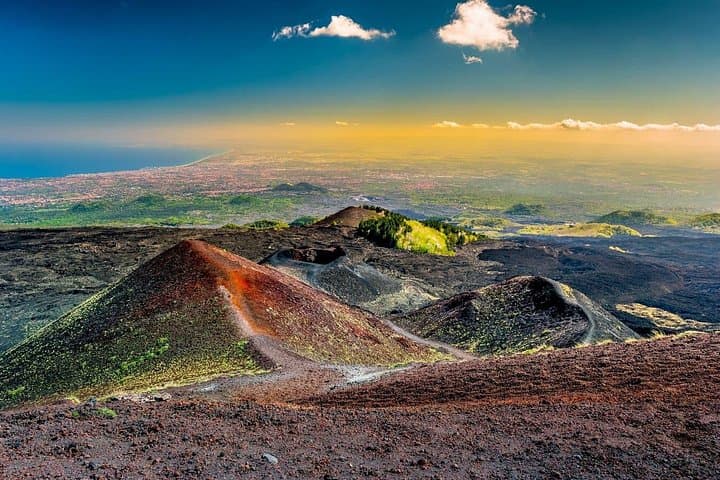
You step out of the air-conditioned van into thin, fragrant air and the slope of Etna opens above you — black rock threaded with scrub and stands of hardy pine. The path climbs toward a viewpoint at roughly 1,900–2,000 m where the island’s geology reads like a layered diary: pumice, older explosive deposits, and fresh-looking ʻaʻā flows scarred by recent eruptions.
You step out of the air-conditioned van into thin, fragrant air and the slope of Etna opens above you — black rock threaded with scrub and stands of hardy pine. The path climbs toward a viewpoint at roughly 1,900–2,000 m where the island’s geology reads like a layered diary: pumice, older explosive deposits, and fresh-looking ʻaʻā flows scarred by recent eruptions.
This day tour pairs Etna’s volcanic landscapes with the Alcantara Gorges, where a river has cut deep into columnar basalt to reveal vertical, hexagonal walls and swirling pools. Etna has erupted for hundreds of thousands of years and is a living landscape: craters, lava tunnels and recent flow fields tell stories of heat and movement. Alcantara’s basalt columns formed as lava chilled against water, later sculpted by the river during the Holocene.
Locally, hill towns around Etna farm grapes and citrus in ash-rich soils; guide commentary often includes myths about fire gods and practical notes on local wine and architecture.
Practical guidance: expect a 7–8 hour outing with multiple short walks on uneven volcanic rock and a flatter section at the gorge. Wear sturdy hiking shoes, layers for wind and temperature swings at altitude, and bring 1.5–2 liters of water. The route is moderate in effort but can feel exposed and brisk near higher viewpoints. The tour typically includes a professional guide, use of a walking stick and transport between sites; Alcantara admission is covered. Time your day for clearer light in the morning or late afternoon; midday can be hazy. Respect fenced areas, stay on marked paths and carry any trash out — volcanic soils and riparian zones are sensitive to disturbance.