THE ADVENTURE COLLECTIVE® · Independent discovery and booking for outdoor travel

Traverse two volcanic worlds in one day: hike Etna’s northern craters at 6,500 ft, then cool off at Alcantara’s basalt gorge. This guided tour mixes geology, short hikes, and a chance to wade among dramatic columnar lava formations.
Traverse two volcanic worlds in one day: hike Etna’s northern craters at 6,500 ft, then cool off at Alcantara’s basalt gorge. This guided tour mixes geology, short hikes, and a chance to wade among dramatic columnar lava formations.
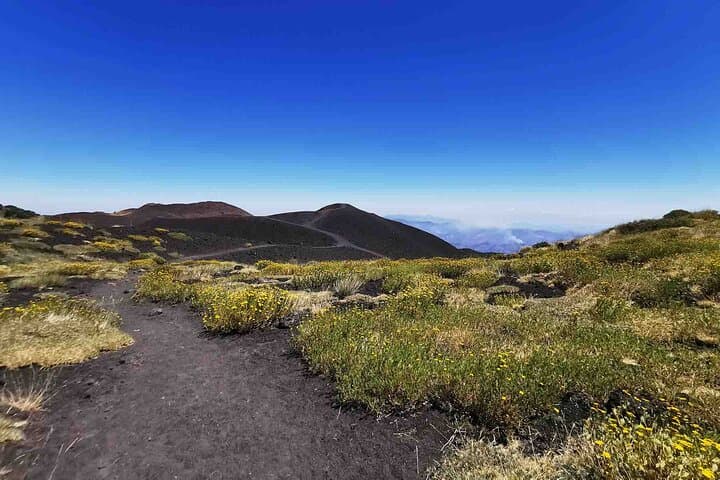
You step off the van into a landscape that still smells faintly of sulfur: black crusted flows ripple away like frozen waves, and the wind carries the thin, sharp taste of volcanic dust.
Verified experiences and guided adventures in the surrounding area.
Operated by DISCOVER MESSINA SICILY · Taormina, Sicily
You step off the van into a landscape that still smells faintly of sulfur: black crusted flows ripple away like frozen waves, and the wind carries the thin, sharp taste of volcanic dust.
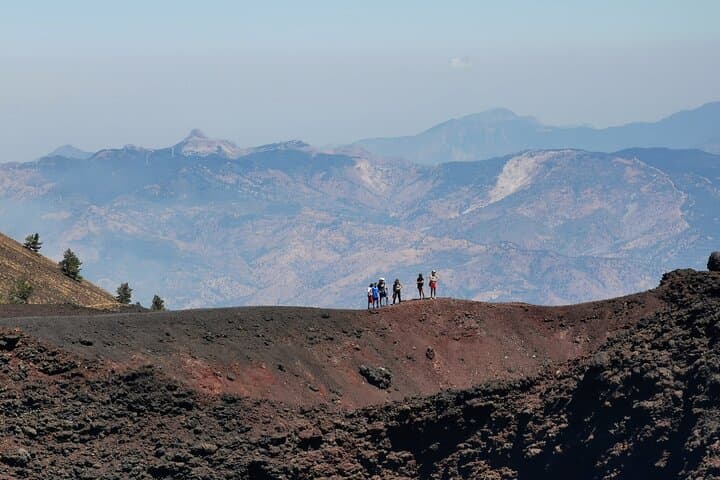
The morning is on Etna’s northern flank, about 1,980–2,000 m (6,500 ft), where trails edge extinct craters and old lava tongues. Geological layers are readable here — pahoehoe and aa textures, ash beds, and weathered scoria — each a chapter of Etna’s half-million-year history. Local life is shaped by the volcano: rural stone farms, terraced vineyards, and towns that rebuilt after eruptions and quakes.
In the afternoon the scene shifts. The Alcantara River has dared the lava to hold, carving a narrow basalt canyon whose columnar walls stand like the ribs of a giant. The River Park protects those black pillars and a cool microclimate where ferns cling and water pools invite a brisk wade.
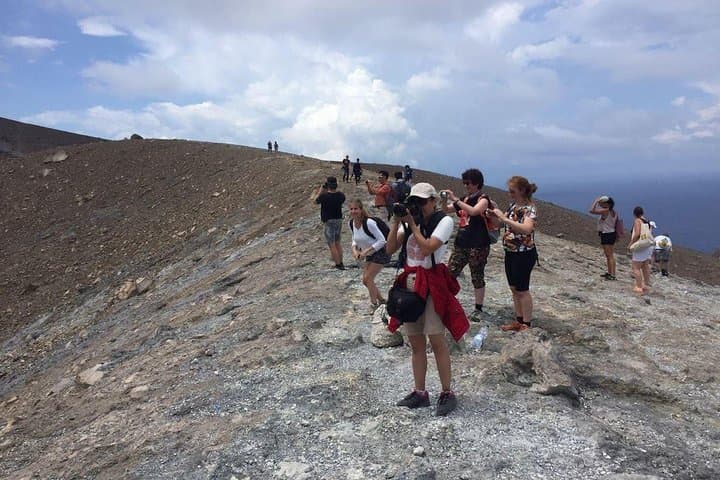
Practical guidance: expect seven hours with three to four hours of walking mixed with time at viewpoints and the gorge. Trails vary from volcanic scree and rocky ridgelines to paved paths at the park; sturdy hiking shoes with good traction are non-negotiable. Bring layers: mountain wind and canyon shade create big temperature swings. Summer visitors should carry water shoes and a towel for cold river dips; avoid fragile column areas and follow posted routes to protect the park.
Timing matters — mornings give clearer views on Etna before clouds build; late afternoon softens the light in the gorge. A guide will handle logistics and ferry you between distinct landscapes, leaving you to read the stone and listen to the river push onward.
challenging.
7 hours.
Good aerobic fitness and stamina for uphill walking and uneven terrain; comfortable with multi-hour hikes.
The tour runs about seven hours with roughly three to four hours of walking total, including crater edges and time at the Alcantara Gorge.
You can wade and dip in designated areas; the water is cold even in summer—use water shoes and follow park rules.
The itinerary includes uneven volcanic trails and stairs in the gorge; it’s not recommended for people with serious mobility limitations or small children without stamina.
At ~1,980 m you may notice shortness of breath if you’re not acclimated; take it steady, hydrate, and tell the guide about any health concerns.
Mount Etna has been erupting intermittently for about 500,000 years; Alcantara’s gorge formed when Pleistocene lava flows were later sculpted by the river.
The Alcantara area is a protected River Park—stay on marked paths, avoid removing or climbing fragile columns, and pack out all trash to protect the micro-ecosystem.
DISCOVER MESSINA SICILY operates guided outdoor trips and adventures with an emphasis on safety, stewardship, and memorable experiences.
You step off the van into a landscape that still smells faintly of sulfur: black crusted flows ripple away like frozen waves, and the wind carries the thin, sharp taste of volcanic dust.
You step off the van into a landscape that still smells faintly of sulfur: black crusted flows ripple away like frozen waves, and the wind carries the thin, sharp taste of volcanic dust.
The morning is on Etna’s northern flank, about 1,980–2,000 m (6,500 ft), where trails edge extinct craters and old lava tongues. Geological layers are readable here — pahoehoe and aa textures, ash beds, and weathered scoria — each a chapter of Etna’s half-million-year history. Local life is shaped by the volcano: rural stone farms, terraced vineyards, and towns that rebuilt after eruptions and quakes.
In the afternoon the scene shifts. The Alcantara River has dared the lava to hold, carving a narrow basalt canyon whose columnar walls stand like the ribs of a giant. The River Park protects those black pillars and a cool microclimate where ferns cling and water pools invite a brisk wade.
Practical guidance: expect seven hours with three to four hours of walking mixed with time at viewpoints and the gorge. Trails vary from volcanic scree and rocky ridgelines to paved paths at the park; sturdy hiking shoes with good traction are non-negotiable. Bring layers: mountain wind and canyon shade create big temperature swings. Summer visitors should carry water shoes and a towel for cold river dips; avoid fragile column areas and follow posted routes to protect the park.
Timing matters — mornings give clearer views on Etna before clouds build; late afternoon softens the light in the gorge. A guide will handle logistics and ferry you between distinct landscapes, leaving you to read the stone and listen to the river push onward.