THE ADVENTURE COLLECTIVE® · Independent discovery and booking for outdoor travel

Combine a short volcanic trek on Etna’s Sartorius craters with a cellar lunch and DOC wine tasting—an educational, sensory daytrip from Taormina that pairs geology with gastronomy. Expect loose volcanic scree, helmeted cave exploration, and local wines shaped by lava soils.
Combine a short volcanic trek on Etna’s Sartorius craters with a cellar lunch and DOC wine tasting—an educational, sensory daytrip from Taormina that pairs geology with gastronomy. Expect loose volcanic scree, helmeted cave exploration, and local wines shaped by lava soils.
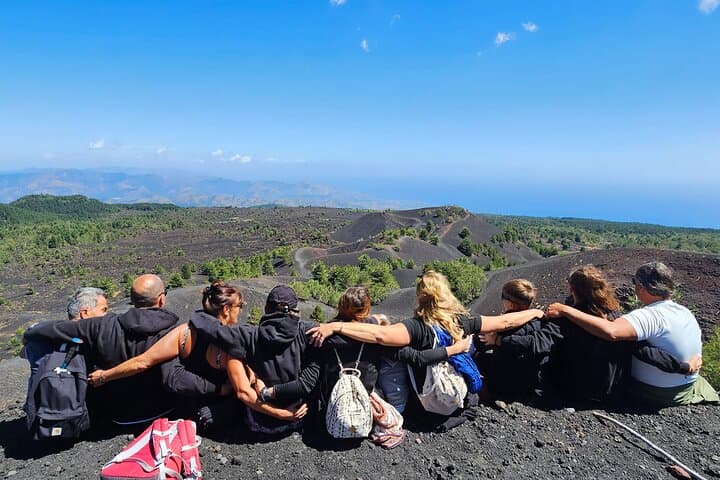
You climb out of Taormina by minivan as the coast thins behind you and the silhouette of Etna grows: dark ridges cut against a bright Sicilian sky. On the drive the road threads terraces of vines, and when you step onto the black, scabbed lava near the 2002 flow the ground seems to remember its last eruption—sharp, granular, and oddly fertile.
Verified experiences and guided adventures in the surrounding area.
Operated by Sicily Adventure · Taormina, Sicily
You climb out of Taormina by minivan as the coast thins behind you and the silhouette of Etna grows: dark ridges cut against a bright Sicilian sky. On the drive the road threads terraces of vines, and when you step onto the black, scabbed lava near the 2002 flow the ground seems to remember its last eruption—sharp, granular, and oddly fertile.
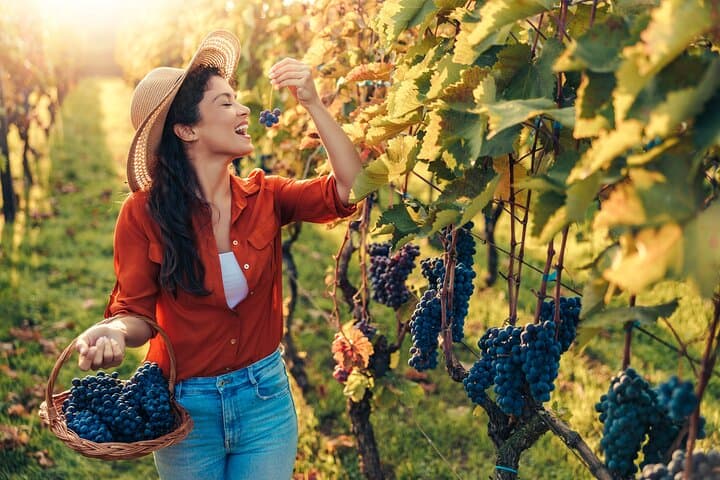
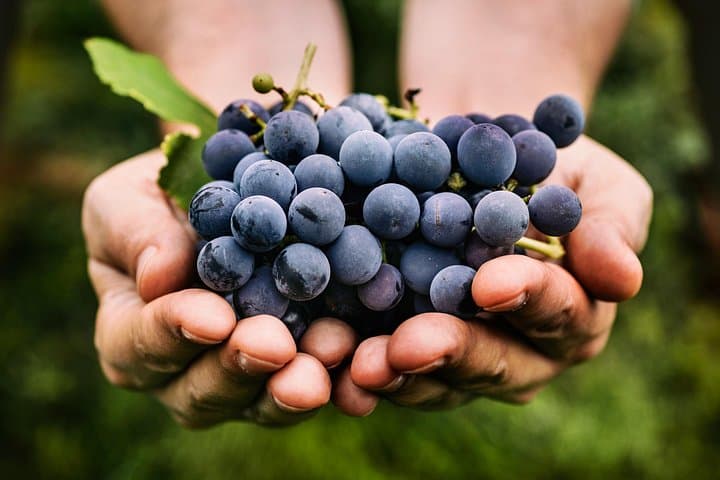
Geology dominates the day: Mount Etna is one of Europe’s most active stratovolcanoes, its basaltic flows and ash layers creating the mineral-rich soils that give Nerello Mascalese and other Etna DOC wines their stony character. Cultural threads appear in the vineyards—generations of small producers coaxing grapes from volcanic slopes—and in the cellar where tasting is paired with local cheeses, cured meats and olive oil.
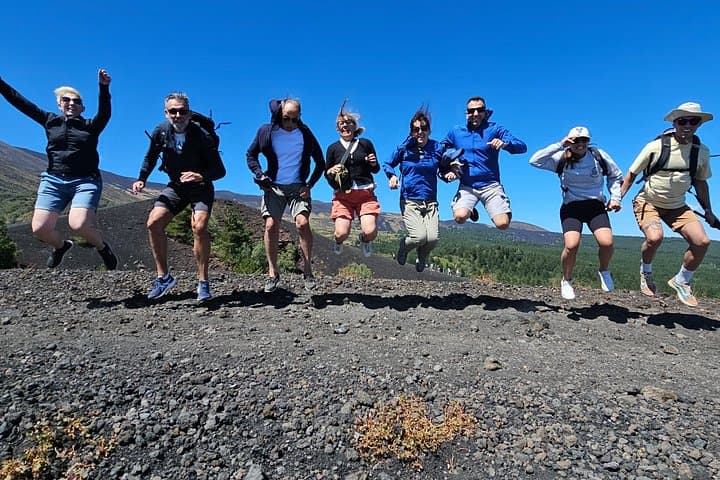
The itinerary is practical: about 7 hours total from Taormina, a short stop at the 2002 lava flow, roughly 2 hours of guided trekking over loose volcanic scree on the Sartorius craters (expect 3–4 km round-trip and ~150–300 m of elevation change depending on the chosen path), a 25-minute cave exploration with helmet and torch, then lunch and a wine tasting in a hillside cellar.
Prepare for sharp sun, wind that can push at the ridge, and variable footing. Helmets and poles are provided, but bring sturdy hiking shoes, layered clothing, sun protection and 1–2 liters of water. Morning departures avoid heat and give clearer views; the tasting is a good chance to taste how lava and altitude shape Sicilian wine.
moderate.
6–8 hours.
Moderate fitness recommended: able to hike 2 hours over uneven volcanic scree with short elevation gains and stand during tastings.
No; the trails are non-technical. The trekking is over loose volcanic scree and is guided—basic mobility and sure footing are required.
Yes; helmets, torches and trekking poles are included in the tour inclusions for the cave and crater walk.
Expect Etna DOC varieties such as Nerello Mascalese and Nerello Cappuccio and local white blends, paired with typical Sicilian cheeses and cured meats.
The tour starts from Taormina with transfers in an air‑conditioned vehicle; confirm your pickup point when booking.
Etna’s eruptions have shaped local agriculture and settlement patterns for millennia; vineyards on its slopes have been cultivated since ancient Greek and Roman times.
Visitors are asked to stay on marked routes to avoid fragile volcanic soils and endemic plants; local wineries often follow small-scale, sustainable viticulture practices to preserve slope stability.
Sicily Adventure operates guided outdoor trips and adventures with an emphasis on safety, stewardship, and memorable experiences.
You climb out of Taormina by minivan as the coast thins behind you and the silhouette of Etna grows: dark ridges cut against a bright Sicilian sky. On the drive the road threads terraces of vines, and when you step onto the black, scabbed lava near the 2002 flow the ground seems to remember its last eruption—sharp, granular, and oddly fertile.
You climb out of Taormina by minivan as the coast thins behind you and the silhouette of Etna grows: dark ridges cut against a bright Sicilian sky. On the drive the road threads terraces of vines, and when you step onto the black, scabbed lava near the 2002 flow the ground seems to remember its last eruption—sharp, granular, and oddly fertile.
Geology dominates the day: Mount Etna is one of Europe’s most active stratovolcanoes, its basaltic flows and ash layers creating the mineral-rich soils that give Nerello Mascalese and other Etna DOC wines their stony character. Cultural threads appear in the vineyards—generations of small producers coaxing grapes from volcanic slopes—and in the cellar where tasting is paired with local cheeses, cured meats and olive oil.
The itinerary is practical: about 7 hours total from Taormina, a short stop at the 2002 lava flow, roughly 2 hours of guided trekking over loose volcanic scree on the Sartorius craters (expect 3–4 km round-trip and ~150–300 m of elevation change depending on the chosen path), a 25-minute cave exploration with helmet and torch, then lunch and a wine tasting in a hillside cellar.
Prepare for sharp sun, wind that can push at the ridge, and variable footing. Helmets and poles are provided, but bring sturdy hiking shoes, layered clothing, sun protection and 1–2 liters of water. Morning departures avoid heat and give clearer views; the tasting is a good chance to taste how lava and altitude shape Sicilian wine.