THE ADVENTURE COLLECTIVE® · Independent discovery and booking for outdoor travel

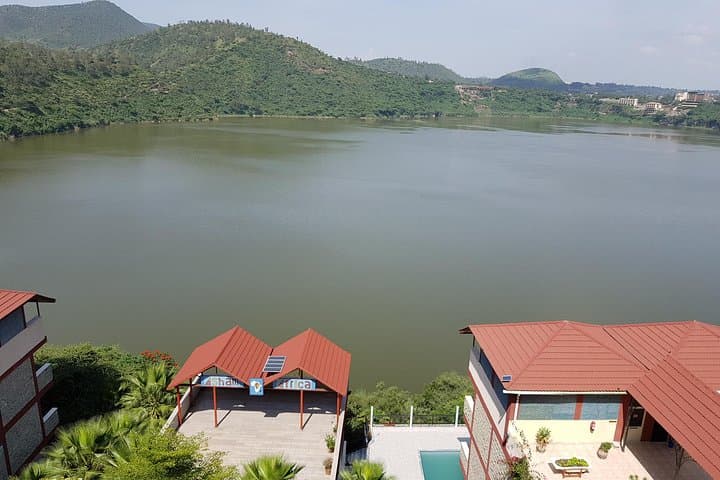
Spend a full day tracing the Ethiopian Rift from Addis to Lake Ziway, Bishoftu’s crater lakes and the UNESCO stele field at Tiya. Expect birding, a village coffee ceremony, and dramatic rift-valley views on a comfortable private tour.
Spend a full day tracing the Ethiopian Rift from Addis to Lake Ziway, Bishoftu’s crater lakes and the UNESCO stele field at Tiya. Expect birding, a village coffee ceremony, and dramatic rift-valley views on a comfortable private tour.
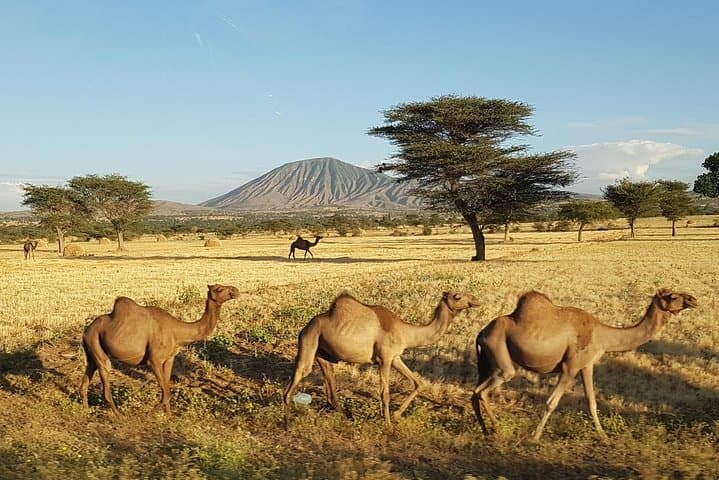
Dawn loosens over Addis Ababa and the road peels south into the Great East African Rift—an open seam in the earth that pushes the horizon wide and the air thinner. On a full-day loop you trade the city’s baked light for inland lakes rimmed with papyrus, the slow blink of hippos at the water’s edge, and a compact field of carved stone stelae that anchor centuries of local memory.
Verified experiences and guided adventures in the surrounding area.
Operated by Merit Ethiopian Experience Tours · Tiya, Oromia
Dawn loosens over Addis Ababa and the road peels south into the Great East African Rift—an open seam in the earth that pushes the horizon wide and the air thinner. On a full-day loop you trade the city’s baked light for inland lakes rimmed with papyrus, the slow blink of hippos at the water’s edge, and a compact field of carved stone stelae that anchor centuries of local memory.
Geology here is visible: escarpments, volcanic cones, and a rift floor roughly 600–800 meters below Addis’s high plateau. Culture threads through each stop—Oromo villages where a coffee ceremony folds strangers into daily life, market towns like Butajira, and the UNESCO site at Tiya where roughly 42 standing stones, some cross-marked, commemorate medieval local warriors.
Expect a balanced day: 10–12 hours total, with 30–60 minute walks at Lake Ziway and on the Bishoftu crater lakes, and a 45-minute interpretive visit at Tiya. Birders should bring binoculars for marabou storks, kingfishers and African fish eagles; hippo sightings are occasional and best near dawn or late afternoon. The route is mostly paved and driven in an air-conditioned minivan; walking is low-impact but on uneven ground.
Practical notes: pack sun protection, a light rain layer in the wet months (June–August), comfortable walking shoes, and small local currency for village fees and tips. Travel timing—early mornings for birds, midday for the coffee ceremony, late afternoon views at Bishoftu—makes for a day that mixes natural spectacle with tangible cultural encounters.
easy.
10–12 hours.
Suitable for travelers in average fitness; involves short, easy walks on uneven ground and several hours in a vehicle.
The full loop is typically a 10–12 hour day; driving time varies by traffic but expect roughly 1.5–2.5 hours each way depending on stops.
Hippo sightings are possible at Lake Ziway but not guaranteed; they are more likely to be seen at dawn or dusk and can be missed during busy midday visits.
Yes—the Tiya stelae are a short, level walk from the parking area and visits are suitable for most mobility levels, though surfaces are unpaved.
The tour includes bottled water and local snacks; lunch is usually at a local restaurant in Butajira and is included per the tour details.
The Tiya stelae date to roughly the 12th–14th centuries AD and are believed to mark graves of local leaders and warriors; the site is a UNESCO World Heritage location.
The Rift’s wetlands are ecologically sensitive—minimize plastic use, stick to paths, and respect local land use to reduce impact.
Merit Ethiopian Experience Tours operates guided outdoor trips and adventures with an emphasis on safety, stewardship, and memorable experiences.


Dawn loosens over Addis Ababa and the road peels south into the Great East African Rift—an open seam in the earth that pushes the horizon wide and the air thinner. On a full-day loop you trade the city’s baked light for inland lakes rimmed with papyrus, the slow blink of hippos at the water’s edge, and a compact field of carved stone stelae that anchor centuries of local memory.
Dawn loosens over Addis Ababa and the road peels south into the Great East African Rift—an open seam in the earth that pushes the horizon wide and the air thinner. On a full-day loop you trade the city’s baked light for inland lakes rimmed with papyrus, the slow blink of hippos at the water’s edge, and a compact field of carved stone stelae that anchor centuries of local memory.
Geology here is visible: escarpments, volcanic cones, and a rift floor roughly 600–800 meters below Addis’s high plateau. Culture threads through each stop—Oromo villages where a coffee ceremony folds strangers into daily life, market towns like Butajira, and the UNESCO site at Tiya where roughly 42 standing stones, some cross-marked, commemorate medieval local warriors.
Expect a balanced day: 10–12 hours total, with 30–60 minute walks at Lake Ziway and on the Bishoftu crater lakes, and a 45-minute interpretive visit at Tiya. Birders should bring binoculars for marabou storks, kingfishers and African fish eagles; hippo sightings are occasional and best near dawn or late afternoon. The route is mostly paved and driven in an air-conditioned minivan; walking is low-impact but on uneven ground.
Practical notes: pack sun protection, a light rain layer in the wet months (June–August), comfortable walking shoes, and small local currency for village fees and tips. Travel timing—early mornings for birds, midday for the coffee ceremony, late afternoon views at Bishoftu—makes for a day that mixes natural spectacle with tangible cultural encounters.