THE ADVENTURE COLLECTIVE® · Independent discovery and booking for outdoor travel

Ten days tracing Ethiopia’s highlands, gorges, Rift Valley lakes and afro‑alpine plateaus — a focused circuit for endemic birds, raptors and wetland species. Expect early mornings, long drives and high‑altitude views.
Ten days tracing Ethiopia’s highlands, gorges, Rift Valley lakes and afro‑alpine plateaus — a focused circuit for endemic birds, raptors and wetland species. Expect early mornings, long drives and high‑altitude views.
Dawn rises over the Ethiopian highlands and the plateau exhales a cool breath as guide and group step from an air‑conditioned Land Cruiser into a world tuned to wingbeat and call.
Verified experiences and guided adventures in the surrounding area.
Operated by WALK IN ETHIOPIA TOUR AND TRAVEL · Addis Ababa, Addis Ababa
Dawn rises over the Ethiopian highlands and the plateau exhales a cool breath as guide and group step from an air‑conditioned Land Cruiser into a world tuned to wingbeat and call.
From the Sululta plains to the dizzying Senetti Plateau and down through the Rift Valley lakes, this 10‑day circuit moves you through stark escarpments, river gorges, afro‑alpine moorland and broad wetlands. The Debre Libanos gorge throws raptors skyward; the Bale massif climbs above 3,800–4,300 m with giant lobelias punctuating the moor; Lake Ziway and Awash offer reed beds where pelicans and jacanas feed.
Ethiopia’s geology—an uplifted plateau split by the Great Rift Valley—creates distinct climates and a roster of endemics: Wattled Ibis and Abyssinian Longclaw in the highlands, Ethiopian Siskin on montane slopes, and rare visitors like the Ethiopian wolf where rodents gather. Cultural threads run close: Christian monasteries at gorge edges, pastoral communities on the plains, and lakeshore fish markets where hippos were described by early travelers.
Practically, expect early starts, long drives between sites, short walks on uneven trails and one high‑altitude day on Africa’s highest road. Bring layered clothing for swings from warm Rift Valley days to thin, cold plateau air; carry binoculars, a field guide and a small daypack. Hydrate, pace yourself for altitude, and consult health advice for lower‑elevation malaria risk before travel. With patient optics and measured steps, this itinerary delivers both a checklist of endemics and a vivid survey of Ethiopia’s changing landscapes.
moderate.
10 days.
Moderate fitness: able to handle several hours of standing and short hikes daily plus one high‑altitude day above 3,800 m.
No — the tour accommodates a range of skill levels; guides focus on locating species and assisting with identification.
Yes — the itinerary uses lodges and hotels each night, ranging from lakeside resorts to mountain guesthouses as noted in the daily plan.
The Senetti Plateau reaches roughly 3,800–4,377 m; moderate acclimatization and pacing are recommended for those sensitive to altitude.
Yes — travel is by air‑conditioned Land Cruiser with long driving days between major birding localities.
Many sites intersect Ethiopia’s long human history—from ancient Christian monasteries like Debre Libanos to pastoral communities shaped by Rift Valley trade routes.
Several visited areas are important protected habitats (Bale Mountains, Awash); follow guide instructions to minimize disturbance to nesting birds and fragile alpine plants.
WALK IN ETHIOPIA TOUR AND TRAVEL operates guided outdoor trips and adventures with an emphasis on safety, stewardship, and memorable experiences.
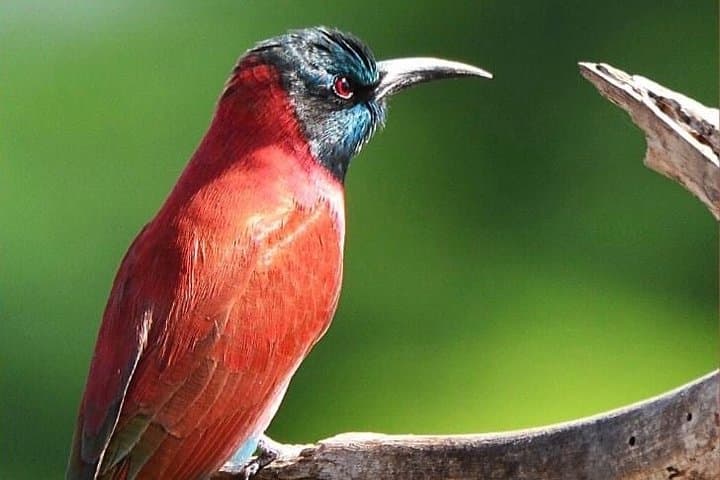
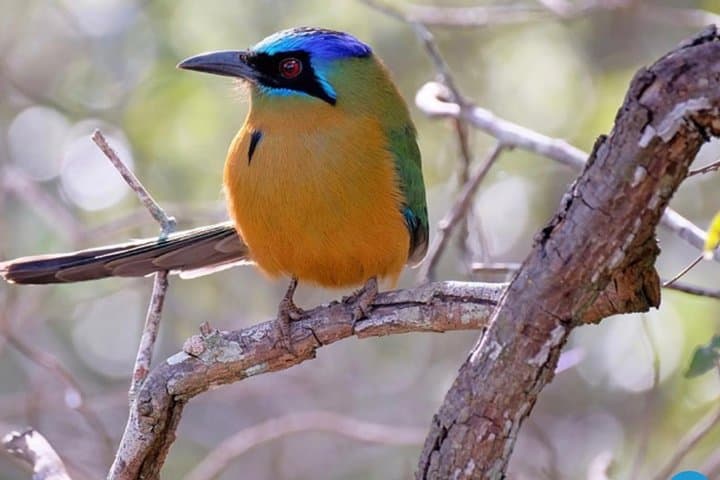
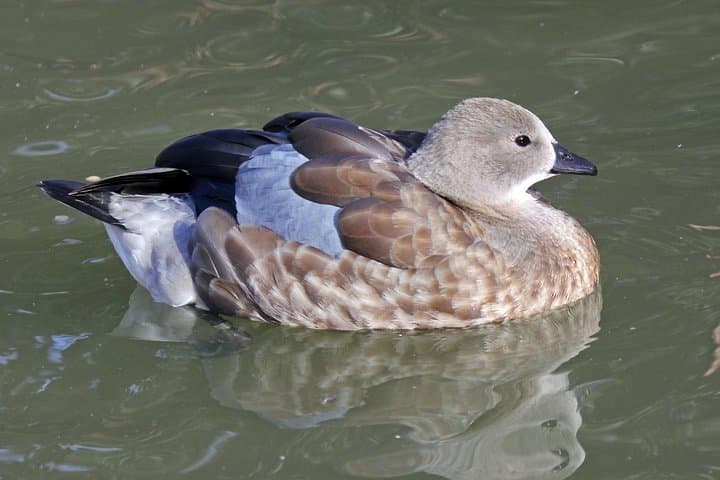
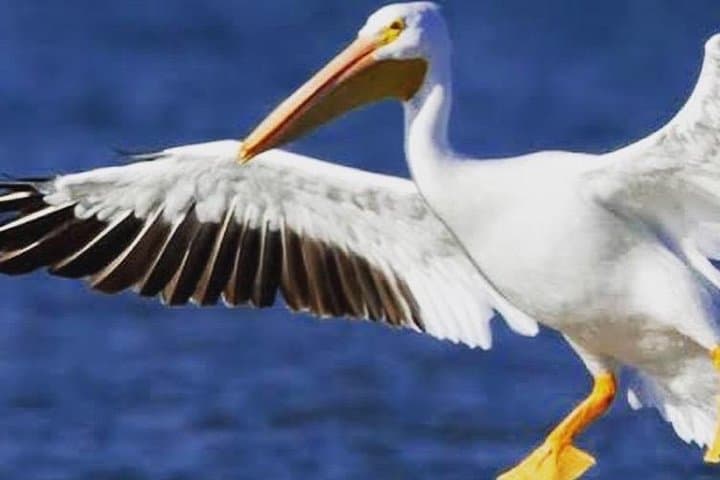
Dawn rises over the Ethiopian highlands and the plateau exhales a cool breath as guide and group step from an air‑conditioned Land Cruiser into a world tuned to wingbeat and call.
Dawn rises over the Ethiopian highlands and the plateau exhales a cool breath as guide and group step from an air‑conditioned Land Cruiser into a world tuned to wingbeat and call.
From the Sululta plains to the dizzying Senetti Plateau and down through the Rift Valley lakes, this 10‑day circuit moves you through stark escarpments, river gorges, afro‑alpine moorland and broad wetlands. The Debre Libanos gorge throws raptors skyward; the Bale massif climbs above 3,800–4,300 m with giant lobelias punctuating the moor; Lake Ziway and Awash offer reed beds where pelicans and jacanas feed.
Ethiopia’s geology—an uplifted plateau split by the Great Rift Valley—creates distinct climates and a roster of endemics: Wattled Ibis and Abyssinian Longclaw in the highlands, Ethiopian Siskin on montane slopes, and rare visitors like the Ethiopian wolf where rodents gather. Cultural threads run close: Christian monasteries at gorge edges, pastoral communities on the plains, and lakeshore fish markets where hippos were described by early travelers.
Practically, expect early starts, long drives between sites, short walks on uneven trails and one high‑altitude day on Africa’s highest road. Bring layered clothing for swings from warm Rift Valley days to thin, cold plateau air; carry binoculars, a field guide and a small daypack. Hydrate, pace yourself for altitude, and consult health advice for lower‑elevation malaria risk before travel. With patient optics and measured steps, this itinerary delivers both a checklist of endemics and a vivid survey of Ethiopia’s changing landscapes.