THE ADVENTURE COLLECTIVE® · Independent discovery and booking for outdoor travel

Spend a responsible half-day at Phuket’s elephant sanctuary observing rescued elephants, feeding them by hand, and learning about their care—no riding allowed. This guided visit pairs hands-on learning with clear animal-first rules and local pickup from beach towns.
Spend a responsible half-day at Phuket’s elephant sanctuary observing rescued elephants, feeding them by hand, and learning about their care—no riding allowed. This guided visit pairs hands-on learning with clear animal-first rules and local pickup from beach towns.
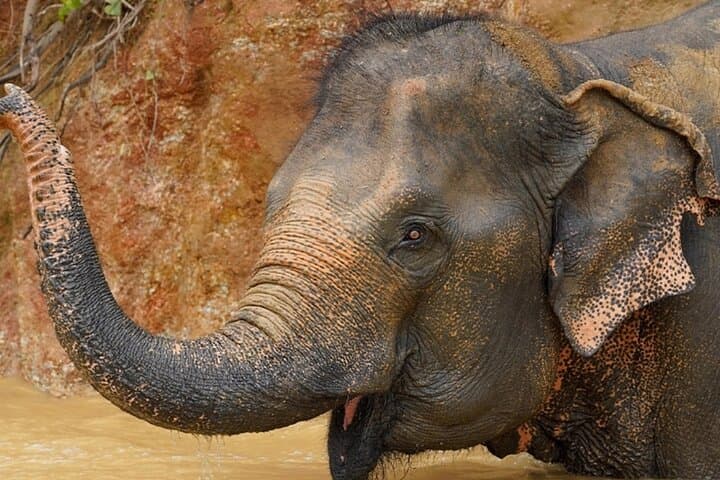
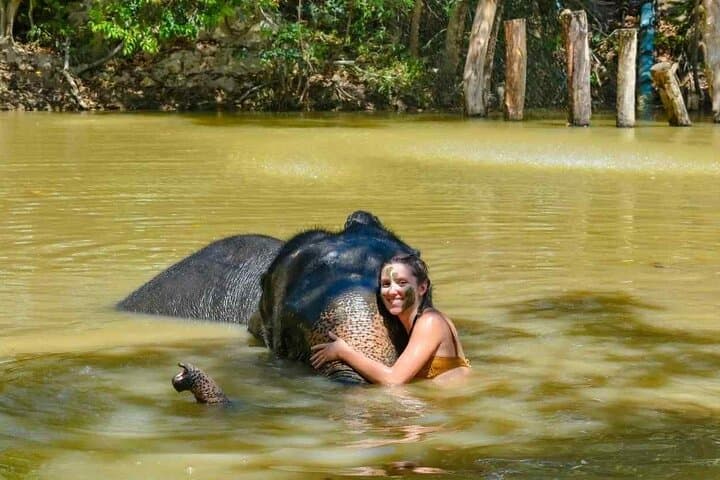
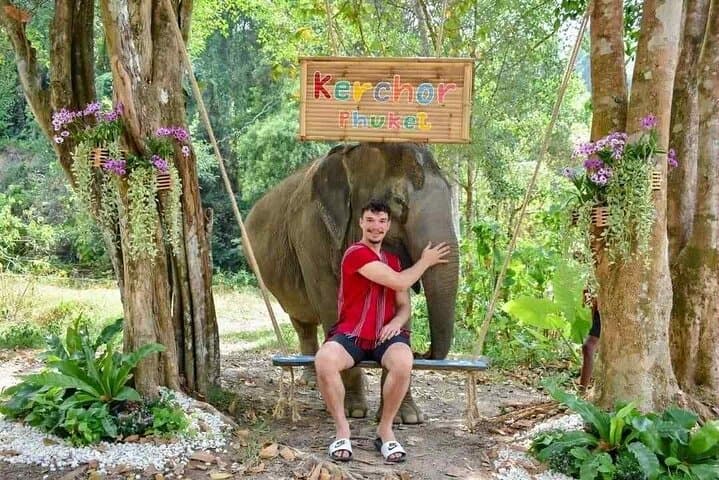
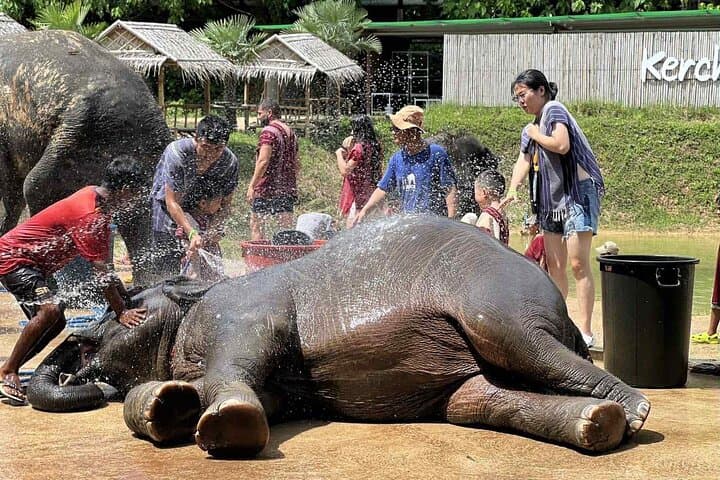
The morning light in Phuket slices through palm fronds as guides lead a small group down a dirt track toward a clearing where a pair of elephants forage quietly. The air smells of wet earth and seasonal fruit; the animals move with deliberate curiosity, approaching slowly to accept a basket of bananas offered by hand. Visitors watch rather than control—this is observation and care, not performance.
Verified experiences and guided adventures in the surrounding area.
Operated by Phuket Shanti Travel · Phuket, Phuket
The morning light in Phuket slices through palm fronds as guides lead a small group down a dirt track toward a clearing where a pair of elephants forage quietly. The air smells of wet earth and seasonal fruit; the animals move with deliberate curiosity, approaching slowly to accept a basket of bananas offered by hand. Visitors watch rather than control—this is observation and care, not performance.
The sanctuary model in Phuket grew from shifting attitudes toward working elephants in Thailand. Once central to logging and tourism, many elephants now live in protected sanctuaries where mahouts and conservation teams prioritize natural behavior, veterinary care, and gradual social reintegration. The terrain around the site is lowland tropical forest on weathered limestone and red soil, with nearby streams and secondary-growth canopy that shelters hornbills and macaques.
Expect a structured, half-day program: a safety briefing, a guided walk, supervised feeding, and an outdoor Thai lunch. Guides explain elephant body language, diet, and rehabilitation work; photos are encouraged but boundaries are clear—no riding or direct control, and minimal loud noises.
Practical guidance: wear closed-toe shoes that can get muddy, long sleeves to reduce sun and insect exposure, and bring biodegradable insect repellent. If traveling during the monsoon months, pack a lightweight rain shell. Pickup is often included from major beach neighborhoods; confirm your pickup window and any weight or age limits when booking. Follow the sanctuary’s rules, keep a respectful distance, and bring cash if you plan to tip staff or buy local crafts—this keeps the visit low-impact and beneficial to the animals and community.
easy.
3 hours.
Light walking on uneven, sometimes muddy ground; suitable for most fitness levels
No—this sanctuary prohibits riding; interactions focus on feeding, observation, and education to prioritize elephant welfare.
Pickup is commonly provided from Kata, Karon, Patong, Kamala, Surin, Bang Tao and Phuket Town—confirm your pickup location and time at booking.
Yes; the program is family-friendly but may have age or weight guidelines—check with the operator when booking and supervise children at all times.
No; sanctuaries control diets for animal health—feedings use approved fruits provided by staff and volunteers.
Elephants have been part of Thai culture and labor for centuries; recent decades saw a shift toward rescue and sanctuary care as awareness of tourism-related harm grew.
The sanctuary model emphasizes rehabilitation, veterinary care, and natural social structures; visitors support conservation by following rules, minimizing waste, and choosing ethical operators.
Phuket Shanti Travel operates guided outdoor trips and adventures with an emphasis on safety, stewardship, and memorable experiences.
The morning light in Phuket slices through palm fronds as guides lead a small group down a dirt track toward a clearing where a pair of elephants forage quietly. The air smells of wet earth and seasonal fruit; the animals move with deliberate curiosity, approaching slowly to accept a basket of bananas offered by hand. Visitors watch rather than control—this is observation and care, not performance.
The morning light in Phuket slices through palm fronds as guides lead a small group down a dirt track toward a clearing where a pair of elephants forage quietly. The air smells of wet earth and seasonal fruit; the animals move with deliberate curiosity, approaching slowly to accept a basket of bananas offered by hand. Visitors watch rather than control—this is observation and care, not performance.
The sanctuary model in Phuket grew from shifting attitudes toward working elephants in Thailand. Once central to logging and tourism, many elephants now live in protected sanctuaries where mahouts and conservation teams prioritize natural behavior, veterinary care, and gradual social reintegration. The terrain around the site is lowland tropical forest on weathered limestone and red soil, with nearby streams and secondary-growth canopy that shelters hornbills and macaques.
Expect a structured, half-day program: a safety briefing, a guided walk, supervised feeding, and an outdoor Thai lunch. Guides explain elephant body language, diet, and rehabilitation work; photos are encouraged but boundaries are clear—no riding or direct control, and minimal loud noises.
Practical guidance: wear closed-toe shoes that can get muddy, long sleeves to reduce sun and insect exposure, and bring biodegradable insect repellent. If traveling during the monsoon months, pack a lightweight rain shell. Pickup is often included from major beach neighborhoods; confirm your pickup window and any weight or age limits when booking. Follow the sanctuary’s rules, keep a respectful distance, and bring cash if you plan to tip staff or buy local crafts—this keeps the visit low-impact and beneficial to the animals and community.