THE ADVENTURE COLLECTIVE® · Independent discovery and booking for outdoor travel

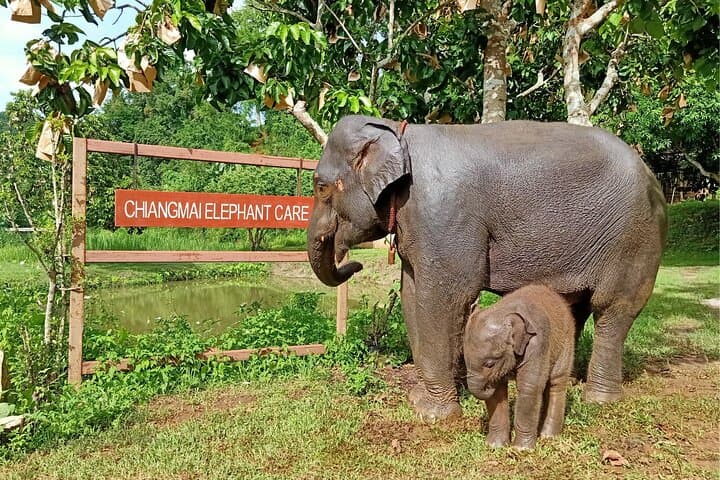
Spend a mindful half-day learning elephant behavior and care at Chiangmai Elephant Care. This ethical program focuses on observation, enrichment, and rescued-animal welfare—no riding, just close, responsible encounters.
Spend a mindful half-day learning elephant behavior and care at Chiangmai Elephant Care. This ethical program focuses on observation, enrichment, and rescued-animal welfare—no riding, just close, responsible encounters.
Morning light finds the vehicle cutting through lowland farms, palms and rice paddies sliding past as the scent of wet earth and lemongrass rises.
Verified experiences and guided adventures in the surrounding area.
Operated by CHIANGMAI ELEPHANT CARE · Chiang Mai, Chiang Mai Province
Morning light finds the vehicle cutting through lowland farms, palms and rice paddies sliding past as the scent of wet earth and lemongrass rises.
Arriving at Chiangmai Elephant Care, you trade city noise for the slow, deliberate rhythm of elephants moving through open shade—no riding, just observation and hands-on care in a sanctuary setting designed to meet physical and social needs. The site sits within the northern plains that feed the Doi Suthep foothills; the soil here is alluvial, supporting the smallholder agriculture that shapes local life and the routes guests travel.
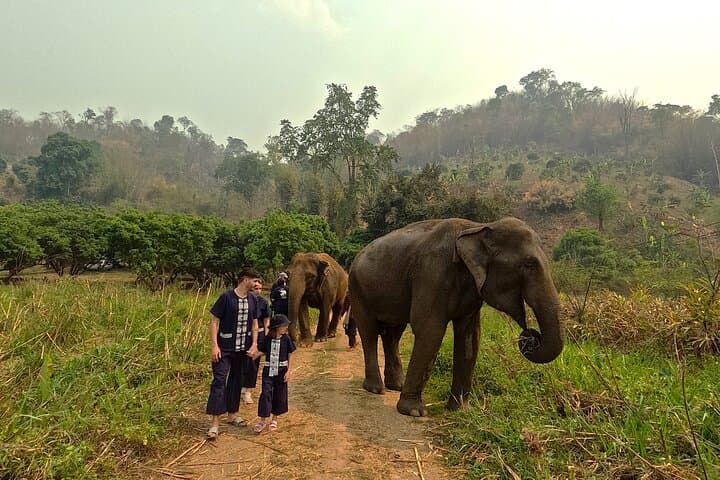
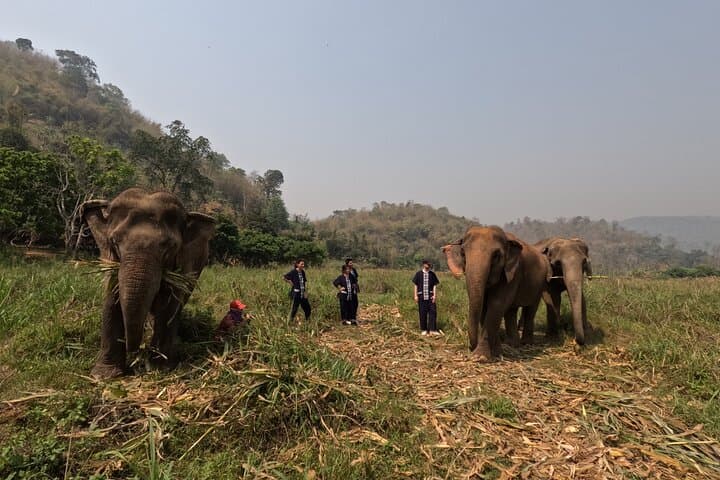
Historically, elephants in northern Thailand worked in logging and transport; sanctuaries like this emerged as logging declined and awareness of ethical tourism grew. The program blends traditional mahout knowledge with modern welfare practices: you’ll change into mahout-style clothing, learn about herbal diets and behavior, and watch rescued elephants socialize and forage.
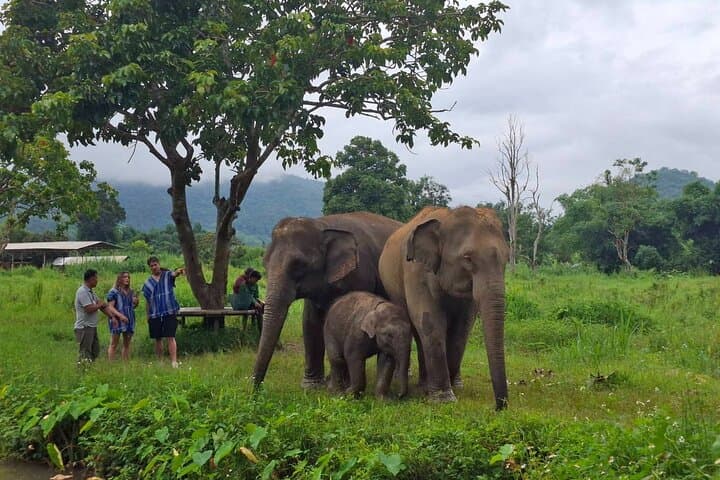
Expect close, calm encounters—walking alongside handlers, observing trunk greetings, and seeing matriarchal interactions. The sanctuary emphasizes non-invasive observation and enrichment activities rather than performance.
Practical guidance: pickup from Chiang Mai city takes about 1–1.5 hours each way; the full experience runs roughly six hours with lunch and bottled water provided. Wear closed-toe shoes, long sleeves in the morning for sun and insects, and bring sunscreen and insect repellent. Avoid if pregnant or with serious heart conditions; a moderate fitness level is required for short walks on uneven ground. Book early for morning departures to avoid heat and support responsible transport logistics.
moderate.
6 hours.
Moderate—able to stand, walk short uneven sections, and follow basic instructions for 3–4 hours on site
No—this sanctuary emphasizes ethical care and observation; there is no riding, shows, or forced performances.
Yes—air-conditioned vehicle pickup from Chiang Mai city is included with morning departures between 08:00–08:30 and returns around 14:00.
Children can participate but infants must sit on an adult's lap; staff will advise on safe distances and behavior around animals.
Not recommended for pregnant travelers or those with serious cardiovascular conditions; a moderate fitness level is advised.
Northern Thai elephants historically worked in logging and royal transport; recent decades have shifted many animals into rescue and care programs as conservation and ethical tourism matured.
The facility focuses on rescue, rehabilitation, and enrichment while promoting non-riding, observation-based tourism to reduce stress and support natural behavior.
CHIANGMAI ELEPHANT CARE operates guided outdoor trips and adventures with an emphasis on safety, stewardship, and memorable experiences.
Morning light finds the vehicle cutting through lowland farms, palms and rice paddies sliding past as the scent of wet earth and lemongrass rises.
Morning light finds the vehicle cutting through lowland farms, palms and rice paddies sliding past as the scent of wet earth and lemongrass rises.
Arriving at Chiangmai Elephant Care, you trade city noise for the slow, deliberate rhythm of elephants moving through open shade—no riding, just observation and hands-on care in a sanctuary setting designed to meet physical and social needs. The site sits within the northern plains that feed the Doi Suthep foothills; the soil here is alluvial, supporting the smallholder agriculture that shapes local life and the routes guests travel.
Historically, elephants in northern Thailand worked in logging and transport; sanctuaries like this emerged as logging declined and awareness of ethical tourism grew. The program blends traditional mahout knowledge with modern welfare practices: you’ll change into mahout-style clothing, learn about herbal diets and behavior, and watch rescued elephants socialize and forage.
Expect close, calm encounters—walking alongside handlers, observing trunk greetings, and seeing matriarchal interactions. The sanctuary emphasizes non-invasive observation and enrichment activities rather than performance.
Practical guidance: pickup from Chiang Mai city takes about 1–1.5 hours each way; the full experience runs roughly six hours with lunch and bottled water provided. Wear closed-toe shoes, long sleeves in the morning for sun and insects, and bring sunscreen and insect repellent. Avoid if pregnant or with serious heart conditions; a moderate fitness level is required for short walks on uneven ground. Book early for morning departures to avoid heat and support responsible transport logistics.