THE ADVENTURE COLLECTIVE® · Independent discovery and booking for outdoor travel

Spend a half-day at Patong Elephant Hug where feeding, mud spas, and dung-paper workshops replace rides and performances. Learn how ethical elephant tourism looks—and how your visit supports care and conservation.
Spend a half-day at Patong Elephant Hug where feeding, mud spas, and dung-paper workshops replace rides and performances. Learn how ethical elephant tourism looks—and how your visit supports care and conservation.
The morning air is warm and damp as you step into a shaded clearing where large gray shapes move with slow, deliberate curiosity. Elephants nudge trunks toward your outstretched hand, not for a performance but for a scent of fruit and the gentle ritual of feeding. The setting feels less like a tourist stop and more like a quiet village edge where animals set the pace.
Verified experiences and guided adventures in the surrounding area.
Operated by Patong Elephant Hug · Patong, Phuket
The morning air is warm and damp as you step into a shaded clearing where large gray shapes move with slow, deliberate curiosity. Elephants nudge trunks toward your outstretched hand, not for a performance but for a scent of fruit and the gentle ritual of feeding. The setting feels less like a tourist stop and more like a quiet village edge where animals set the pace.
Patong Elephant Hug sits on Phuket’s fringe, part of a larger shift in Thailand away from logging and performance toward rescue and welfare. The landscape here is low hills and secondary forest—soil worn by monsoon cycles, with mud pools that become elephant spas in the heat. Local mahouts retain generational knowledge of elephant care, and recent innovations—like making paper from dung—link cultural craftsmanship to sustainable practice.
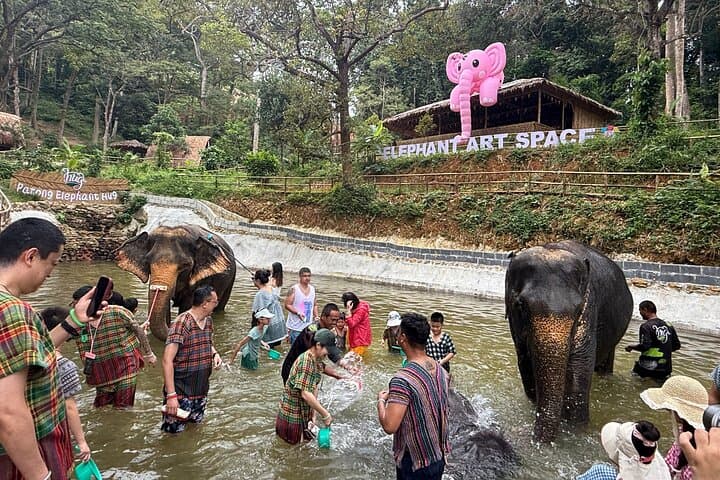
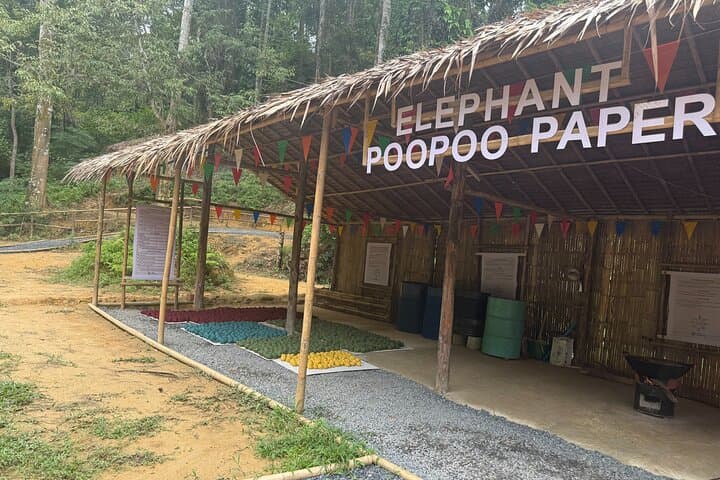
Expect a hands-on, low-impact visit: preparing vitamin balls, feeding, scrubbing with mud, and a supervised wash in a shallow pool. Guides explain elephant biology and behavior so your interactions are safe and respectful; there are no rides or tricks. The dung-to-paper workshop is both educational and practical—the byproduct becomes souvenirs and a revenue stream for care.
Plan for sun, humidity, and sudden tropical showers. Wear quick-dry clothes and closed-toe shoes that handle mud. Bring water, a camera with a secure strap, and an open mind—these animals decide the tempo. Transfers from most Phuket hotels are commonly provided; mornings are cooler and less crowded. This is an encounter built around the animals’ welfare: slow, tactile, and unhurried.
easy.
3–4 hours.
Suitable for most fitness levels; involves short walks, standing, bending to feed, and shallow wading during washes.
No—this program is explicitly no-ride and no-trick; interactions focus on feeding, bathing, and welfare activities.
Round-trip shared transfers from most Phuket hotels, villas, and apartments are included in the half-day package options.
Yes—programs note stroller access and are family-friendly, but infants should sit on an adult’s lap and all visitors must follow safety guidance.
Yes—photography is permitted; secure your camera during water and mud activities and avoid flash or sudden movements around the elephants.
Thai elephants have long served in logging, warfare, and ceremonial life; sanctuaries like this reflect a national shift toward rescue and ethical tourism.
The center emphasizes low-impact visits and generates income for care through workshops and visitor fees; avoid vendors that promote riding or performances.
Patong Elephant Hug operates guided outdoor trips and adventures with an emphasis on safety, stewardship, and memorable experiences.
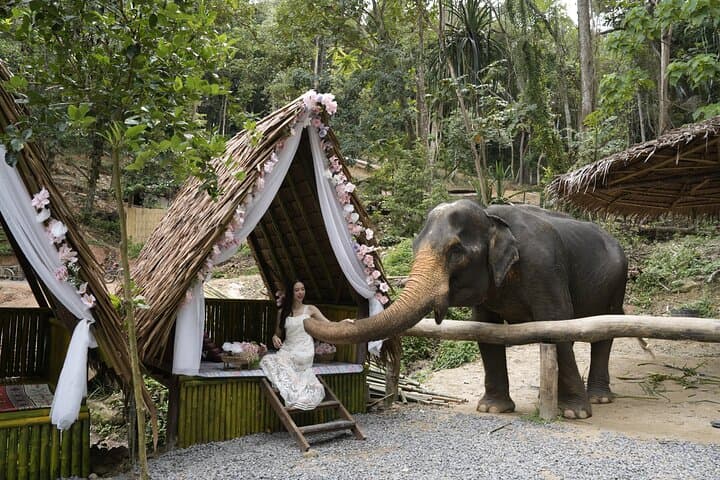
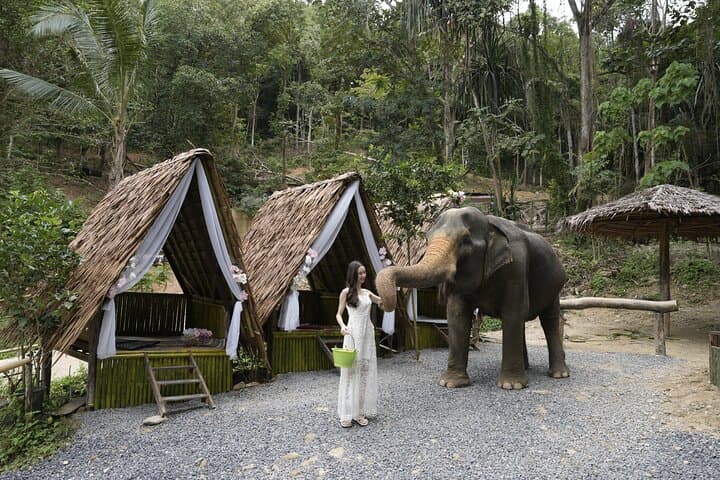
The morning air is warm and damp as you step into a shaded clearing where large gray shapes move with slow, deliberate curiosity. Elephants nudge trunks toward your outstretched hand, not for a performance but for a scent of fruit and the gentle ritual of feeding. The setting feels less like a tourist stop and more like a quiet village edge where animals set the pace.
The morning air is warm and damp as you step into a shaded clearing where large gray shapes move with slow, deliberate curiosity. Elephants nudge trunks toward your outstretched hand, not for a performance but for a scent of fruit and the gentle ritual of feeding. The setting feels less like a tourist stop and more like a quiet village edge where animals set the pace.
Patong Elephant Hug sits on Phuket’s fringe, part of a larger shift in Thailand away from logging and performance toward rescue and welfare. The landscape here is low hills and secondary forest—soil worn by monsoon cycles, with mud pools that become elephant spas in the heat. Local mahouts retain generational knowledge of elephant care, and recent innovations—like making paper from dung—link cultural craftsmanship to sustainable practice.
Expect a hands-on, low-impact visit: preparing vitamin balls, feeding, scrubbing with mud, and a supervised wash in a shallow pool. Guides explain elephant biology and behavior so your interactions are safe and respectful; there are no rides or tricks. The dung-to-paper workshop is both educational and practical—the byproduct becomes souvenirs and a revenue stream for care.
Plan for sun, humidity, and sudden tropical showers. Wear quick-dry clothes and closed-toe shoes that handle mud. Bring water, a camera with a secure strap, and an open mind—these animals decide the tempo. Transfers from most Phuket hotels are commonly provided; mornings are cooler and less crowded. This is an encounter built around the animals’ welfare: slow, tactile, and unhurried.