THE ADVENTURE COLLECTIVE® · Independent discovery and booking for outdoor travel

Head out before sunrise on a private early-morning boat to listen for whales with a hydrophone and swim only with dolphins under strict no-contact rules. This ethical tour focuses on marine welfare while offering high chances of sightings and supplied snorkel gear.
Head out before sunrise on a private early-morning boat to listen for whales with a hydrophone and swim only with dolphins under strict no-contact rules. This ethical tour focuses on marine welfare while offering high chances of sightings and supplied snorkel gear.
A pale-blue dawn slides over the lagoon as the boat slips away from the reef; the sea breathes in long, glassy draws and the hydrophone hums like a stethoscope against the ocean’s chest. On this private, early-morning trip out of Mauritius, guides scan for blows and listen for low, whale-borne clicks before the tourist traffic wakes. When a pod of spinner dolphins appears, they slice through light, curious and fast; when a whale surfaces, the ocean briefly changes scale and the crew eases back to give space.
Verified experiences and guided adventures in the surrounding area.
Operated by Whale Dream - Swim with Dolphins and Whale watching excursions in Mauritius · Tamarin, Black River District
A pale-blue dawn slides over the lagoon as the boat slips away from the reef; the sea breathes in long, glassy draws and the hydrophone hums like a stethoscope against the ocean’s chest. On this private, early-morning trip out of Mauritius, guides scan for blows and listen for low, whale-borne clicks before the tourist traffic wakes. When a pod of spinner dolphins appears, they slice through light, curious and fast; when a whale surfaces, the ocean briefly changes scale and the crew eases back to give space.
Mauritius sits on an ancient volcanic plateau; underwater ridges and deep channels to the southwest create migration corridors that attract sperm, pilot and humpback whales. The island’s maritime history — from colonial ports to modern marine protection laws — shapes how operators work today: permits, hydrophones and strict no-contact rules protect breeding grounds and calves.
Practically, this tour starts very early (marked at 6:00 a.m.) to catch calm seas and the highest encounter rates. The operator supplies snorkel gear, snacks, soft drinks and a hydrophone, but swims are limited to dolphins — swimming with whales is illegal in Mauritian waters and strictly avoided. Expect 3–4 hours total, frequent spotting but no guarantees; sea state, wind and animal movement dictate the pace.
Bring reef-safe sunscreen, a tight-fitting mask (if you prefer your own), a small waterproof bag for valuables and motion-sickness remedies if you’re prone. Listen to the crew, respect distance rules, and you’ll leave with a clearer sense of local ecology and a morning the sea will not soon let you forget.
easy.
3–4 hours.
Suitable for most fitness levels; requires basic mobility for boarding and getting in/out of shallow water for snorkeling.
No — Mauritian law and the operator prohibit swimming with whales; swimming is permitted only with dolphins under controlled, non-disruptive conditions.
Yes — snorkelling equipment, soft drinks and light snacks are included in the tour price for the boat.
Species commonly reported include spinner dolphins, bottlenose dolphins, sperm whales, pilot whales and occasionally humpbacks, depending on season and location.
The operator may cancel for bad weather; full refunds are typically available if you cancel at least 24 hours before departure per the standard policy.
Mauritius’ position on submerged volcanic ridges has long channeled marine life; colonial-era ports and modern conservation efforts have shaped contemporary whale-and-dolphin regulations.
Operators follow strict distancing rules, use hydrophones to reduce visual disturbance and prioritize dolphin welfare—visitors should use reef-safe sunscreen and follow crew directions to minimize impact.
Whale Dream - Swim with Dolphins and Whale watching excursions in Mauritius operates guided outdoor trips and adventures with an emphasis on safety, stewardship, and memorable experiences.
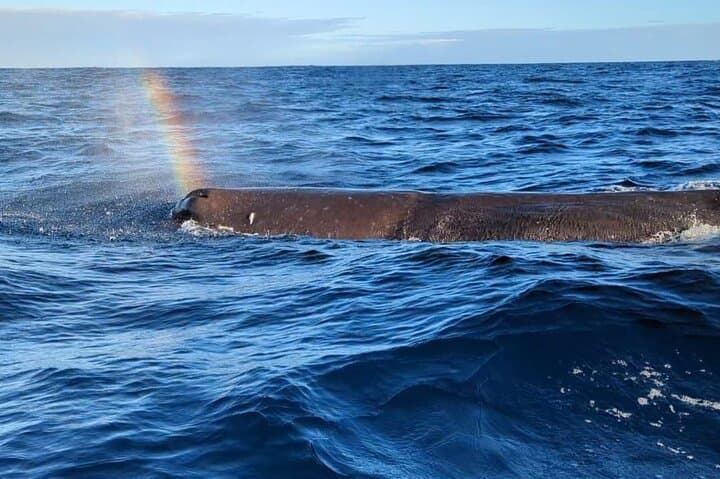
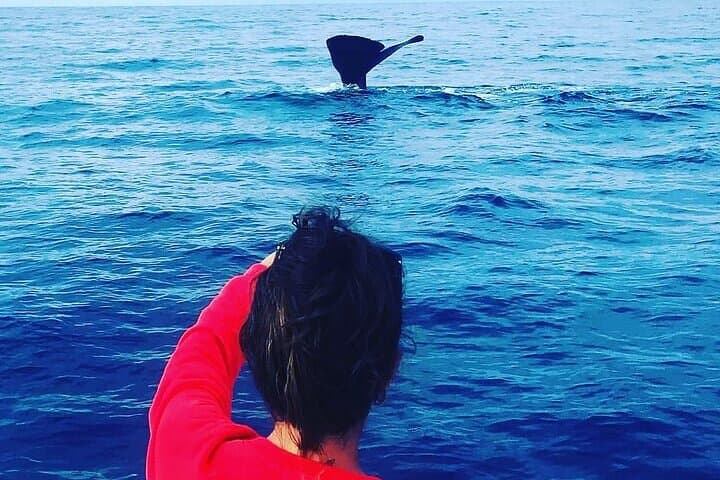
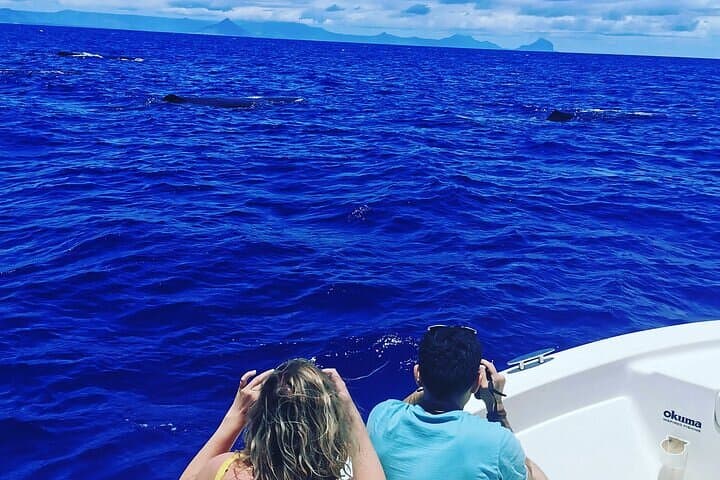
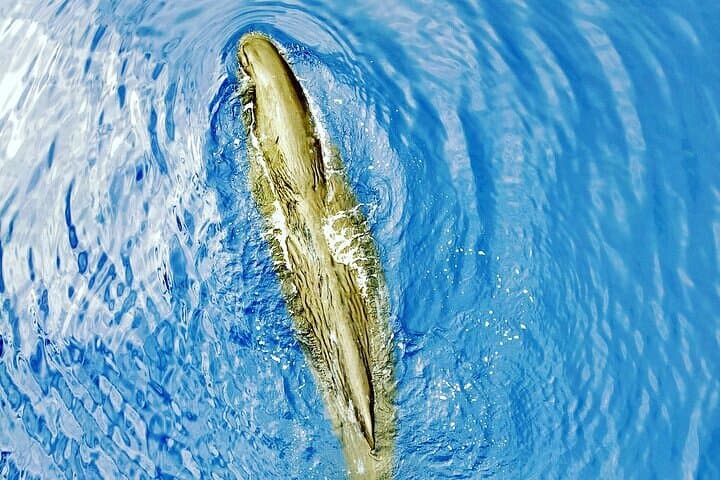
A pale-blue dawn slides over the lagoon as the boat slips away from the reef; the sea breathes in long, glassy draws and the hydrophone hums like a stethoscope against the ocean’s chest. On this private, early-morning trip out of Mauritius, guides scan for blows and listen for low, whale-borne clicks before the tourist traffic wakes. When a pod of spinner dolphins appears, they slice through light, curious and fast; when a whale surfaces, the ocean briefly changes scale and the crew eases back to give space.
A pale-blue dawn slides over the lagoon as the boat slips away from the reef; the sea breathes in long, glassy draws and the hydrophone hums like a stethoscope against the ocean’s chest. On this private, early-morning trip out of Mauritius, guides scan for blows and listen for low, whale-borne clicks before the tourist traffic wakes. When a pod of spinner dolphins appears, they slice through light, curious and fast; when a whale surfaces, the ocean briefly changes scale and the crew eases back to give space.
Mauritius sits on an ancient volcanic plateau; underwater ridges and deep channels to the southwest create migration corridors that attract sperm, pilot and humpback whales. The island’s maritime history — from colonial ports to modern marine protection laws — shapes how operators work today: permits, hydrophones and strict no-contact rules protect breeding grounds and calves.
Practically, this tour starts very early (marked at 6:00 a.m.) to catch calm seas and the highest encounter rates. The operator supplies snorkel gear, snacks, soft drinks and a hydrophone, but swims are limited to dolphins — swimming with whales is illegal in Mauritian waters and strictly avoided. Expect 3–4 hours total, frequent spotting but no guarantees; sea state, wind and animal movement dictate the pace.
Bring reef-safe sunscreen, a tight-fitting mask (if you prefer your own), a small waterproof bag for valuables and motion-sickness remedies if you’re prone. Listen to the crew, respect distance rules, and you’ll leave with a clearer sense of local ecology and a morning the sea will not soon let you forget.