THE ADVENTURE COLLECTIVE® · Independent discovery and booking for outdoor travel

Spend a mindful day with rescued Asian elephants near Chiang Mai in a non-riding, educational sanctuary visit. Learn their stories, feed and observe natural behaviors, and support a program focused on welfare and conservation.
Spend a mindful day with rescued Asian elephants near Chiang Mai in a non-riding, educational sanctuary visit. Learn their stories, feed and observe natural behaviors, and support a program focused on welfare and conservation.
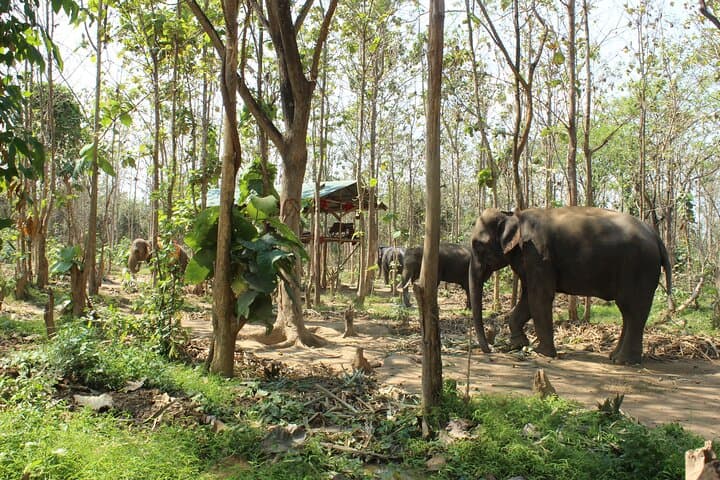
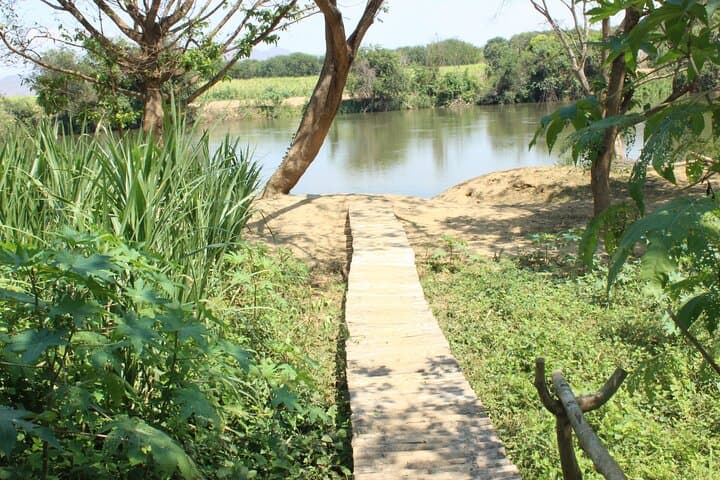
Dawn breaks over the hills north of Chiang Mai and the first trunks begin to forage along a riverbank, trunks probing for sugar cane while the mist lifts off the teak forest.
Verified experiences and guided adventures in the surrounding area.
Operated by Travelvago · Chiang Mai, Chiang Mai Province
Dawn breaks over the hills north of Chiang Mai and the first trunks begin to forage along a riverbank, trunks probing for sugar cane while the mist lifts off the teak forest.
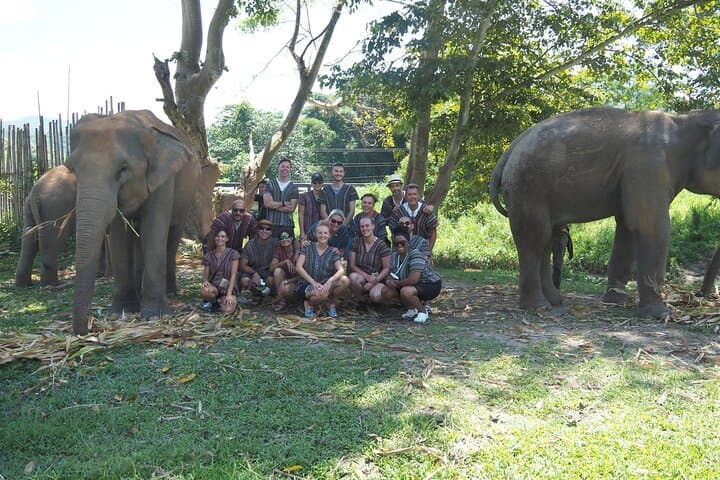
At the Elephant Jungle Sanctuary you spend a day at the pace of elephants — slow, deliberate, and curious. Guides introduce individual animals by name and history, explaining how many were rescued from logging, street begging, or poorly run tourist camps and are now part of a monitored, non-riding program focused on natural behaviors.
The topography here is gentle: low ridges, forested gullies, and shallow streams carved from the foothills of the Shan Plateau; the soil is lateritic clay in places, supporting teak and bamboo stands that elephants use for shade and forage.
Culturally, elephants are woven into northern Thai life — once war and logging partners, now central to conservation narratives and local livelihoods that balance tourism with traditional rice farming.
Expect a structured half- or full-day schedule: pickup in Chiang Mai, orientation, a guided observation session, feeding and enrichment time, and a simple Thai buffet made on-site. There is minimal hiking; interactions are non-invasive — no riding or circus tricks — and activities emphasize observation, feeding, and foot baths where permitted.
Practical tips: wear quick-dry clothes and closed-toe shoes, plan for sun and sudden showers during the monsoon, and carry biodegradable insect repellent. Bring a camera but follow guide instructions for distance and animal safety. The experience is ideal for families and travelers who want a hands-on, ethical wildlife encounter that supports rescue and education efforts.
easy.
6–8 hours.
Suitable for most fitness levels; minimal hiking and mostly standing/walking on even ground
No — the sanctuary operates a non-riding, observation-first program focused on welfare and natural behaviors.
Round-trip group pickup and drop-off from Chiang Mai hotels are typically included; confirm pickup point when booking.
Families with children are welcome; infants must sit on an adult’s lap during transfers, but check the operator’s age guidance before booking.
Yes — supervised feeding and enrichment with approved foods like bananas and sugar cane are part of the visit under guide direction.
Northern Thailand’s elephants were historically used in logging and royal ceremonies; recent decades have shifted many animals into rescue and conservation programs as logging declined.
The sanctuary emphasizes non-invasive care, community-based tourism income for local villages, and limits to interactions to reduce stress and illness in rescued elephants.
Travelvago operates guided outdoor trips and adventures with an emphasis on safety, stewardship, and memorable experiences.
Dawn breaks over the hills north of Chiang Mai and the first trunks begin to forage along a riverbank, trunks probing for sugar cane while the mist lifts off the teak forest.
Dawn breaks over the hills north of Chiang Mai and the first trunks begin to forage along a riverbank, trunks probing for sugar cane while the mist lifts off the teak forest.
At the Elephant Jungle Sanctuary you spend a day at the pace of elephants — slow, deliberate, and curious. Guides introduce individual animals by name and history, explaining how many were rescued from logging, street begging, or poorly run tourist camps and are now part of a monitored, non-riding program focused on natural behaviors.
The topography here is gentle: low ridges, forested gullies, and shallow streams carved from the foothills of the Shan Plateau; the soil is lateritic clay in places, supporting teak and bamboo stands that elephants use for shade and forage.
Culturally, elephants are woven into northern Thai life — once war and logging partners, now central to conservation narratives and local livelihoods that balance tourism with traditional rice farming.
Expect a structured half- or full-day schedule: pickup in Chiang Mai, orientation, a guided observation session, feeding and enrichment time, and a simple Thai buffet made on-site. There is minimal hiking; interactions are non-invasive — no riding or circus tricks — and activities emphasize observation, feeding, and foot baths where permitted.
Practical tips: wear quick-dry clothes and closed-toe shoes, plan for sun and sudden showers during the monsoon, and carry biodegradable insect repellent. Bring a camera but follow guide instructions for distance and animal safety. The experience is ideal for families and travelers who want a hands-on, ethical wildlife encounter that supports rescue and education efforts.