THE ADVENTURE COLLECTIVE® · Independent discovery and booking for outdoor travel

Walk through twelve days of Egyptian history—pyramids, Nile temples, desert fossils and a luxury Nile cruise guided by an Egyptologist. Practical pacing and daily logistics make this comprehensive cultural adventure accessible for travelers with moderate fitness.
Walk through twelve days of Egyptian history—pyramids, Nile temples, desert fossils and a luxury Nile cruise guided by an Egyptologist. Practical pacing and daily logistics make this comprehensive cultural adventure accessible for travelers with moderate fitness.
You step out of Cairo’s humid air and the horizon is dominated not by glass towers but by stone and time—the Great Pyramids rising like geometric mountains at the city’s edge. The tour moves with steady rhythm: museum halls, temple colonnades, a slow Nile cruise where the river pulls you forward and the desert holds its breath.
Verified experiences and guided adventures in the surrounding area.
Operated by Egypt For Americans · Cairo, Cairo Governorate
You step out of Cairo’s humid air and the horizon is dominated not by glass towers but by stone and time—the Great Pyramids rising like geometric mountains at the city’s edge. The tour moves with steady rhythm: museum halls, temple colonnades, a slow Nile cruise where the river pulls you forward and the desert holds its breath.
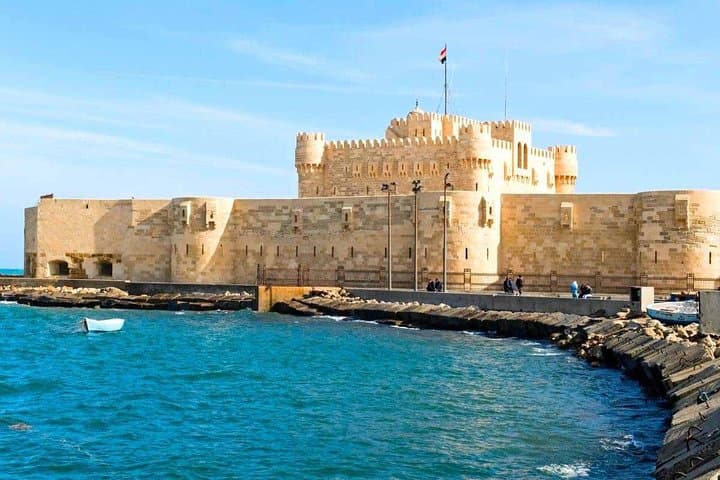
This 12-day itinerary stitches together Egypt’s primary eras: Old Kingdom mastabas at Saqqara, the Fourth Dynasty’s engineering at Giza, the New Kingdom grandeur at Karnak and the Valley of the Kings, and Ptolemaic and Roman traces in Alexandria. Geology here is obvious—limestone quarries carved into cliffs, Nile silt that built civilizations, and Fayoum’s Qaroon Lake where freshwater plains meet desert. Cultural notes thread the journey: an Egyptologist explains funerary rites; Nubian villages recall distinct languages and crafts along the southern Nile.
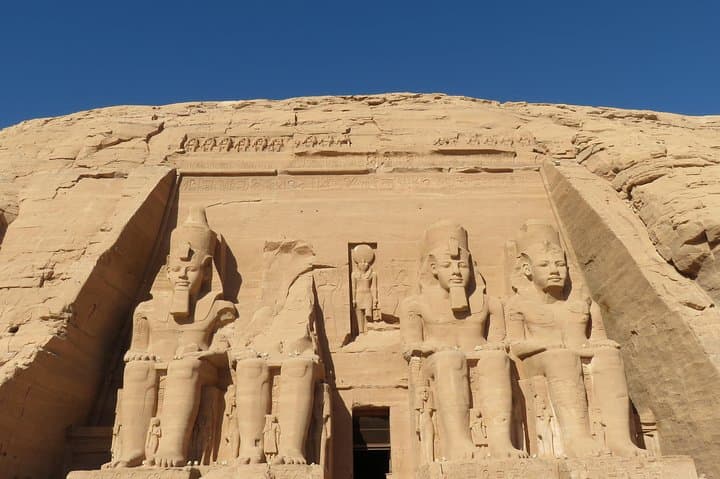
Expect urban walking on uneven stone and packed earth, stairways inside tombs, and brief flights between Cairo, Luxor and Aswan. The Nile cruise offers daily shore excursions and relaxed evening routines; Abu Simbel requires an early transfer but rewards with colossal façades reassembled above the High Dam’s reservoir.
Practical guidance: travel light, carry a reusable water bottle, and wear sturdy walking shoes with good grip for temple steps and tomb slopes. Midday in the south can be brutally hot—plan temple visits early or late. Bring sun protection, a lightweight scarf for mosque visits, and copies of travel documents. With a licensed Egyptologist guiding you, the sequence of sites reads like a living classroom—history you can walk through.
moderate.
12 days.
Moderate—expect multiple days of walking, stairs and some uphill approaches to sites; comfortable for travelers who are active and mobile
Most nationalities require a visa; check current Egyptian entry rules and obtain either an e-visa before travel or a visa on arrival where applicable.
Sites involve moderate walking, stairs and uneven surfaces; accessible alternatives exist in some locations but flexibility is required for tomb entrances.
Tipping (baksheesh) is customary for guides, drivers and service staff—small, consistent tips are appreciated and part of local practice.
On-board WiFi is included as noted, but speeds can be limited; plan for intermittent connectivity during Nile segments.
The itinerary spans millennia—from Old Kingdom mortuary complexes at Saqqara to New Kingdom royal tombs in the Valley of the Kings and Ptolemaic Alexandrian ruins—showing evolving religious and funerary practices.
Major rescue projects (e.g., Abu Simbel, Philae) relocated monuments to protect them from the High Dam; travelers should minimize plastic use and respect fragile archaeological sites.
Egypt For Americans operates guided outdoor trips and adventures with an emphasis on safety, stewardship, and memorable experiences.
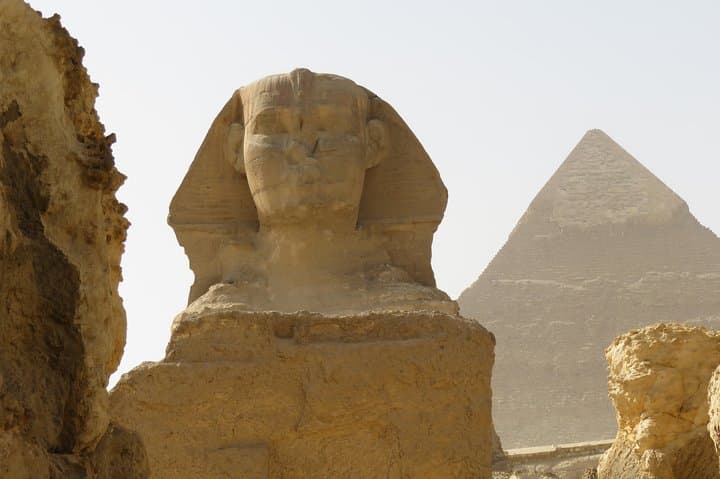
You step out of Cairo’s humid air and the horizon is dominated not by glass towers but by stone and time—the Great Pyramids rising like geometric mountains at the city’s edge. The tour moves with steady rhythm: museum halls, temple colonnades, a slow Nile cruise where the river pulls you forward and the desert holds its breath.
You step out of Cairo’s humid air and the horizon is dominated not by glass towers but by stone and time—the Great Pyramids rising like geometric mountains at the city’s edge. The tour moves with steady rhythm: museum halls, temple colonnades, a slow Nile cruise where the river pulls you forward and the desert holds its breath.
This 12-day itinerary stitches together Egypt’s primary eras: Old Kingdom mastabas at Saqqara, the Fourth Dynasty’s engineering at Giza, the New Kingdom grandeur at Karnak and the Valley of the Kings, and Ptolemaic and Roman traces in Alexandria. Geology here is obvious—limestone quarries carved into cliffs, Nile silt that built civilizations, and Fayoum’s Qaroon Lake where freshwater plains meet desert. Cultural notes thread the journey: an Egyptologist explains funerary rites; Nubian villages recall distinct languages and crafts along the southern Nile.
Expect urban walking on uneven stone and packed earth, stairways inside tombs, and brief flights between Cairo, Luxor and Aswan. The Nile cruise offers daily shore excursions and relaxed evening routines; Abu Simbel requires an early transfer but rewards with colossal façades reassembled above the High Dam’s reservoir.
Practical guidance: travel light, carry a reusable water bottle, and wear sturdy walking shoes with good grip for temple steps and tomb slopes. Midday in the south can be brutally hot—plan temple visits early or late. Bring sun protection, a lightweight scarf for mosque visits, and copies of travel documents. With a licensed Egyptologist guiding you, the sequence of sites reads like a living classroom—history you can walk through.