THE ADVENTURE COLLECTIVE® · Independent discovery and booking for outdoor travel

Four hours to stop being overwhelmed: this starter tour teaches transit, etiquette, and how to order food in Tokyo. Ideal for first-timers who want practical skills and local recommendations to keep exploring.
Four hours to stop being overwhelmed: this starter tour teaches transit, etiquette, and how to order food in Tokyo. Ideal for first-timers who want practical skills and local recommendations to keep exploring.
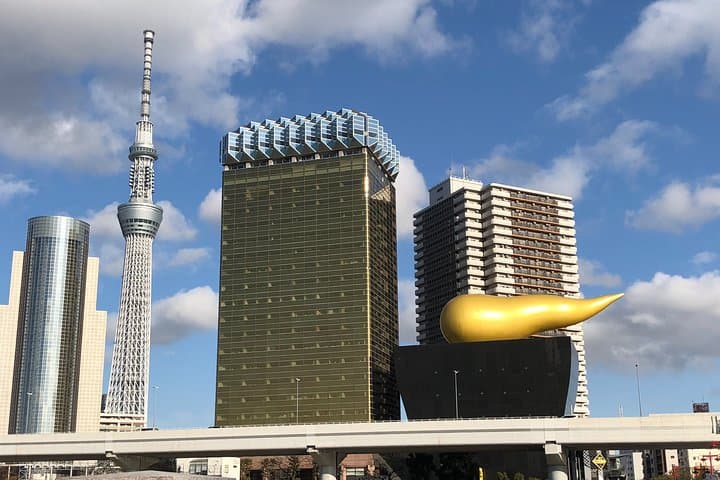
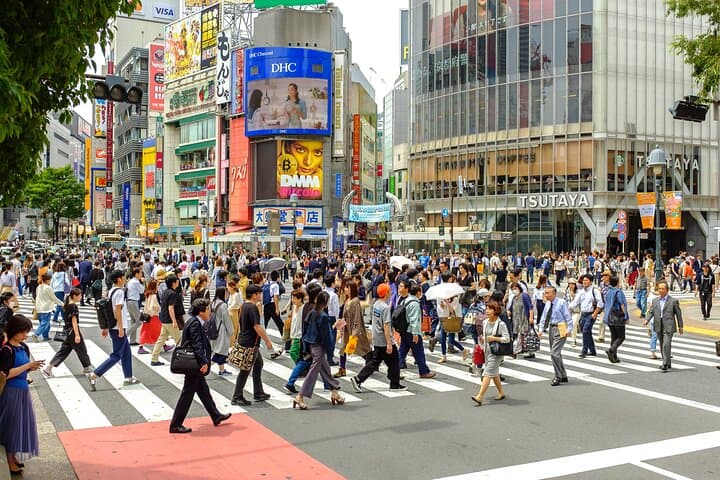
You step out from a subway stair and Tokyo folds around you — neon, office suits, vending machines humming like small cities. This four-hour introductory tour guides first-time visitors through a concentrated slice of Tokyo’s rhythm: how to read a station map, basic etiquette at shrines and restaurants, and practical language cues that open doors.
Verified experiences and guided adventures in the surrounding area.
Operated by Japan Unraveled · Tokyo, Tokyo
You step out from a subway stair and Tokyo folds around you — neon, office suits, vending machines humming like small cities. This four-hour introductory tour guides first-time visitors through a concentrated slice of Tokyo’s rhythm: how to read a station map, basic etiquette at shrines and restaurants, and practical language cues that open doors.
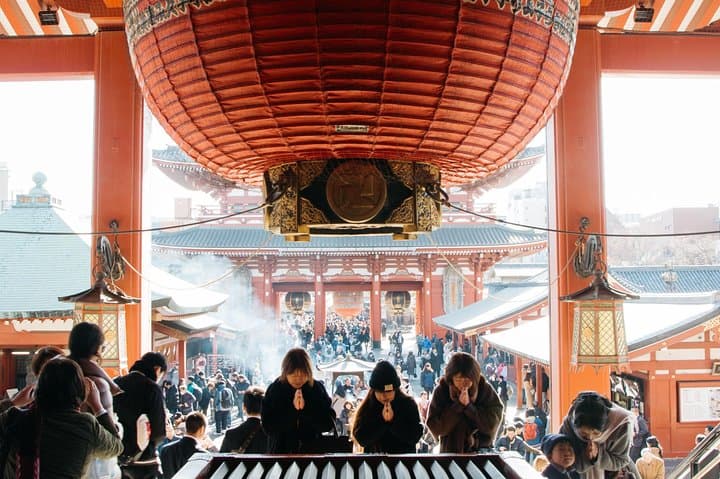
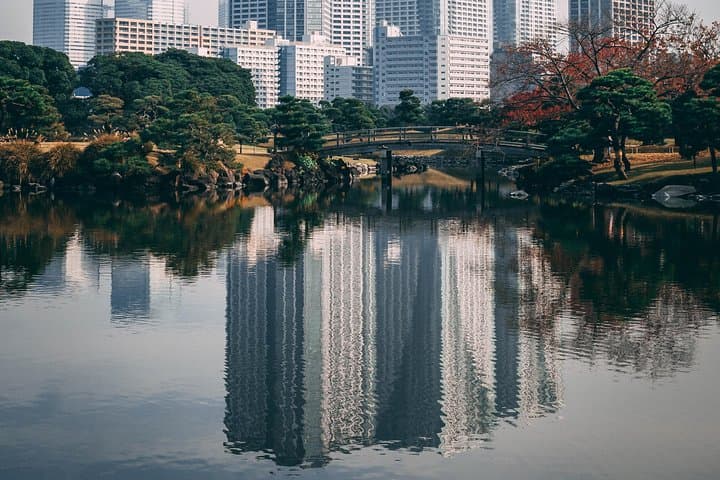
Tokyo grew from the shogun’s Edo into a 21st-century megacity; the streets retain Edo-era alignments, while postwar rebuilding layered in modern boulevards and steel. Geology is quiet here — reclaimed bays, rivers rerouted — but culture is visible in carved torii at tiny shrines, lacquer and neon side by side. Your guide explains transit zoning, how the JR Pass and Shinkansen reservations work, and why punctuality and quiet carriage manners matter.
Expect lots of walking on flat pavement, short station transfers, and a few indoor stops if rain arrives. Practical instruction covers using Suica/Pasmo cards, reading simple menus, and making polite reservations. Your guide will recommend evening neighborhoods, nearby museums, and how to stretch a daytrip to nearby Yokohama or Kamakura.
For planning: wear comfortable walking shoes, carry a charged phone and portable battery, and leave room in your schedule for a relaxed lunch at a local izakaya or noodle shop. Mornings are cooler and less crowded; rush hour is best avoided. This tour is an efficient primer—designed to reduce friction so you can move from overwhelmed visitor to purposeful traveler in a single afternoon.
easy.
4 hours.
Suitable for most fitness levels; able to walk several city blocks and stand on public transport.
Yes — the operator notes wheelchair and stroller accessibility and can arrange central pickup points.
Yes — the tour covers how to activate a JR Pass and make Shinkansen reservations; hands-on help depends on timing and station access.
No — guides provide useful phrases and translation tips; basic politeness words are taught to improve interactions.
No — food is not included, but the guide will recommend local restaurants and ordering tips for a quick lunch.
Tokyo was Edo until 1868; many neighborhoods still show Edo street patterns and merchant histories alongside postwar modernization.
Respect shrines and public spaces by disposing of trash properly and minimizing single-use plastics; follow local rules for quiet and queueing to reduce impact.
Japan Unraveled operates guided outdoor trips and adventures with an emphasis on safety, stewardship, and memorable experiences.
You step out from a subway stair and Tokyo folds around you — neon, office suits, vending machines humming like small cities. This four-hour introductory tour guides first-time visitors through a concentrated slice of Tokyo’s rhythm: how to read a station map, basic etiquette at shrines and restaurants, and practical language cues that open doors.
You step out from a subway stair and Tokyo folds around you — neon, office suits, vending machines humming like small cities. This four-hour introductory tour guides first-time visitors through a concentrated slice of Tokyo’s rhythm: how to read a station map, basic etiquette at shrines and restaurants, and practical language cues that open doors.
Tokyo grew from the shogun’s Edo into a 21st-century megacity; the streets retain Edo-era alignments, while postwar rebuilding layered in modern boulevards and steel. Geology is quiet here — reclaimed bays, rivers rerouted — but culture is visible in carved torii at tiny shrines, lacquer and neon side by side. Your guide explains transit zoning, how the JR Pass and Shinkansen reservations work, and why punctuality and quiet carriage manners matter.
Expect lots of walking on flat pavement, short station transfers, and a few indoor stops if rain arrives. Practical instruction covers using Suica/Pasmo cards, reading simple menus, and making polite reservations. Your guide will recommend evening neighborhoods, nearby museums, and how to stretch a daytrip to nearby Yokohama or Kamakura.
For planning: wear comfortable walking shoes, carry a charged phone and portable battery, and leave room in your schedule for a relaxed lunch at a local izakaya or noodle shop. Mornings are cooler and less crowded; rush hour is best avoided. This tour is an efficient primer—designed to reduce friction so you can move from overwhelmed visitor to purposeful traveler in a single afternoon.