THE ADVENTURE COLLECTIVE® · Independent discovery and booking for outdoor travel

Walk Berlin’s central WWII sites with an expert guide who traces the rise and fall of the Third Reich across streets, demolished footprints and memorials. This private 3–4 hour tour blends military history, cityscape evidence and practical logistics for an informed, respectful visit.
Walk Berlin’s central WWII sites with an expert guide who traces the rise and fall of the Third Reich across streets, demolished footprints and memorials. This private 3–4 hour tour blends military history, cityscape evidence and practical logistics for an informed, respectful visit.
Morning light lifts off the stone of Brandenburg Gate and a measured voice begins to braid dates and decisions into a living map. On this private walking tour, the city’s central district becomes a classroom: government ministries, ruined footprints and memorials mark the rise and collapse of Nazi power.
Verified experiences and guided adventures in the surrounding area.
Operated by Your Tour Berlin · Berlin, Berlin
Morning light lifts off the stone of Brandenburg Gate and a measured voice begins to braid dates and decisions into a living map. On this private walking tour, the city’s central district becomes a classroom: government ministries, ruined footprints and memorials mark the rise and collapse of Nazi power.
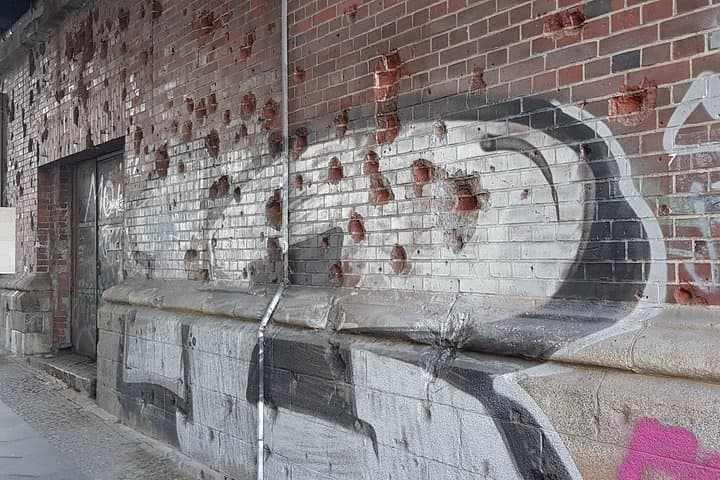
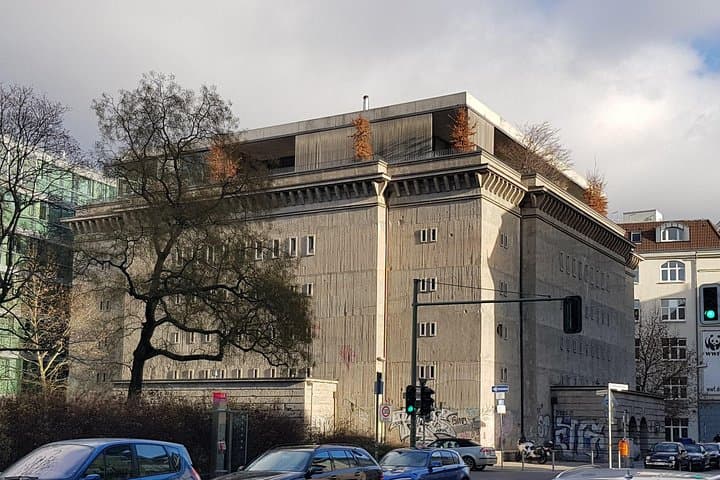
Berlin’s landscape—flat, shaped by Ice Age plains and threaded by the Spree—frames the story. The guide points out the Reichstag’s scars, the site of Hitler’s bunker beneath a modern car park, and the Luftwaffe and Gestapo headquarters, explaining architecture, wartime bombing patterns and the Soviet push that ended the city’s fight. Cultural context follows: Weigh the political collapse of Weimar, the mechanisms of repression, and how post‑war planning removed or repurposed buildings, leaving “ghost sites” and layered memory.
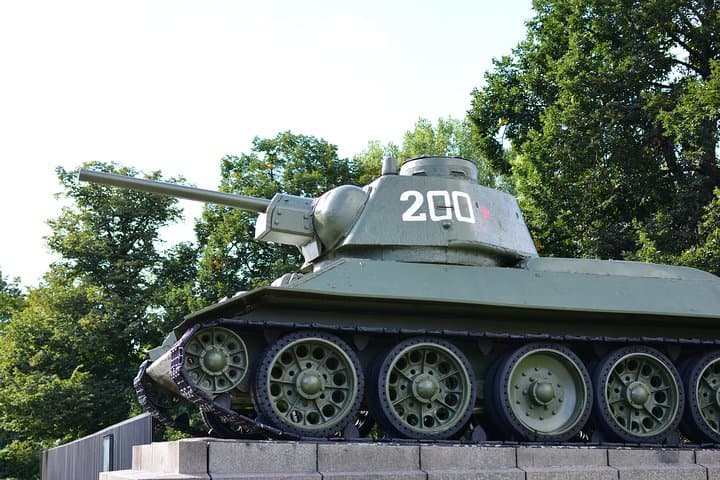
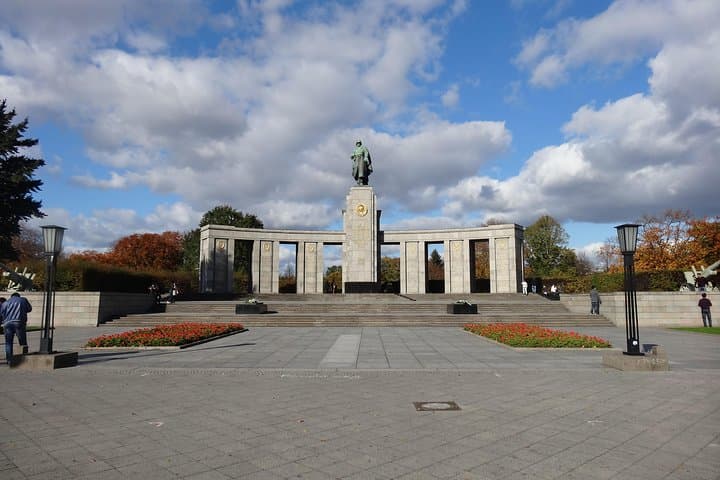
Visit memorials that insist on attention: the Memorial to the Murdered Jews of Europe, the Soviet War Memorial and lesser‑visited marks like the Kroll Opera House site and Reinhardtstraße shelter. The experience is urban and tactile—pavement, plaques, recessed foundations—often quiet, sometimes confrontational.
Practical guidance: this is a 3–4 hour mostly level walk; wear sturdy shoes, bring water and layered clothing for unpredictable weather, and plan starting times to avoid peak crowds. Respect memorial spaces and photography rules at sensitive sites. Public transport reaches the meeting point near the Academy of Arts and Hotel Adlon; accessibility options are available but check specifics when booking. The tour pairs close, evidence‑based narrative with clear, on‑the‑ground logistics—ideal for travelers wanting rigorous history without academic distance.
easy.
3–4 hours.
Suitable for most fitness levels; you should be comfortable standing and walking on paved urban surfaces for several hours.
Meeting point is outside the Academy of Arts near Hotel Adlon (Pariser Platz/Brandenburg Gate); the route finishes nearby—confirm exact spots with the operator before arrival.
Older children with interest in history can manage the content and walk; the subject matter is intense and may not be appropriate for young children.
Many central sites and pavements are accessible, and the operator lists wheelchair accessibility—notify them when booking to confirm specifics and route adaptations.
Photography is generally allowed in public spaces, but be respectful at memorials and follow any site‑specific restrictions or guide instructions.
Berlin’s central district was the administrative heart of the Third Reich; extensive wartime bombing and post‑war reconstruction erased entire ensembles, leaving fragmentary traces and deliberate memorials.
Visitors should stay on marked paths around memorials and avoid disturbing archaeological layers; support local museums and memorials to help fund preservation and education.
Your Tour Berlin operates guided outdoor trips and adventures with an emphasis on safety, stewardship, and memorable experiences.
Morning light lifts off the stone of Brandenburg Gate and a measured voice begins to braid dates and decisions into a living map. On this private walking tour, the city’s central district becomes a classroom: government ministries, ruined footprints and memorials mark the rise and collapse of Nazi power.
Morning light lifts off the stone of Brandenburg Gate and a measured voice begins to braid dates and decisions into a living map. On this private walking tour, the city’s central district becomes a classroom: government ministries, ruined footprints and memorials mark the rise and collapse of Nazi power.
Berlin’s landscape—flat, shaped by Ice Age plains and threaded by the Spree—frames the story. The guide points out the Reichstag’s scars, the site of Hitler’s bunker beneath a modern car park, and the Luftwaffe and Gestapo headquarters, explaining architecture, wartime bombing patterns and the Soviet push that ended the city’s fight. Cultural context follows: Weigh the political collapse of Weimar, the mechanisms of repression, and how post‑war planning removed or repurposed buildings, leaving “ghost sites” and layered memory.
Visit memorials that insist on attention: the Memorial to the Murdered Jews of Europe, the Soviet War Memorial and lesser‑visited marks like the Kroll Opera House site and Reinhardtstraße shelter. The experience is urban and tactile—pavement, plaques, recessed foundations—often quiet, sometimes confrontational.
Practical guidance: this is a 3–4 hour mostly level walk; wear sturdy shoes, bring water and layered clothing for unpredictable weather, and plan starting times to avoid peak crowds. Respect memorial spaces and photography rules at sensitive sites. Public transport reaches the meeting point near the Academy of Arts and Hotel Adlon; accessibility options are available but check specifics when booking. The tour pairs close, evidence‑based narrative with clear, on‑the‑ground logistics—ideal for travelers wanting rigorous history without academic distance.