THE ADVENTURE COLLECTIVE® · Independent discovery and booking for outdoor travel

Learn to make three sushi rolls in a hands-on 2‑hour class inside Lost Boy Cider in Alexandria. This practical workshop covers rice prep, fish selection, rolling technique, and plating tips for home cooks.
Learn to make three sushi rolls in a hands-on 2‑hour class inside Lost Boy Cider in Alexandria. This practical workshop covers rice prep, fish selection, rolling technique, and plating tips for home cooks.
You step into Lost Boy Cider and the room tightens around the scent of steamed rice and sharp rice vinegar—workstations lined with bamboo mats, knives glinting under warm light. The instructor demos a perfect furikake sprinkle while the ciderhouse hums: low conversation, the clack of chopsticks, and the fizz of craft cider. Over two focused hours you’ll spread rice, layer neta, tuck and roll, and leave with three distinct maki made by your own hands.
Verified experiences and guided adventures in the surrounding area.
Operated by CocuSocial · Alexandria, Virginia
You step into Lost Boy Cider and the room tightens around the scent of steamed rice and sharp rice vinegar—workstations lined with bamboo mats, knives glinting under warm light. The instructor demos a perfect furikake sprinkle while the ciderhouse hums: low conversation, the clack of chopsticks, and the fizz of craft cider. Over two focused hours you’ll spread rice, layer neta, tuck and roll, and leave with three distinct maki made by your own hands.
Sushi’s roots run from Edo-period street food to global craft, and the class bridges that lineage with Alexandria’s working-port past. The nearby Potomac estuary shaped the region’s seafood trade, so local chefs often emphasize fresh sourcing and seasonal ingredients. Expect a short primer on sushi-grade fish handling, rice preparation, and umami-balancing techniques that fit both tradition and modern food-safety standards.
Practical guidance is direct: the class is social and hands-on, limited seating means arriving five minutes early helps you settle. Bring notes if you want to replicate techniques at home; instructors cover knife angles, rice texture, and rolling pressure. The session moves at a steady pace—standing, using fine motor skills, and tasting as you go—so wear comfortable shoes and note the class advisories around pregnancy and back issues.
Pair the lesson with a walk along the Mount Vernon Trail or a cider on the Lost Boy patio to close the loop between learning and local flavor. This is a compact, practical workshop that teaches repeatable skills while highlighting responsible seafood choices and simple tools you’ll use again and again.
easy.
2 hours.
Light: able to stand and use fine motor skills for two hours; no strenuous fitness required
No experience is necessary; the class is designed for beginners and walks you through rice, fish selection, and basic rolling techniques.
The workshop uses sushi‑grade fish handled under food-safety standards; if you have concerns or dietary restrictions, inform the operator before booking.
Yes—many ingredients can be substituted (e.g., vegetables or cooked proteins); notify the host at booking so they can prepare alternatives.
All sales are final with no refund available for cancellations; check the operator’s policy before booking and confirm attendance details.
Alexandria’s waterfront was a significant Colonial and 19th-century port; its food scene reflects that maritime supply chain and a long tradition of trade in seafood.
Instructors typically emphasize responsibly sourced seafood and low-waste prep; participants can reduce impact by bringing containers and minimizing single-use disposables.
CocuSocial operates guided outdoor trips and adventures with an emphasis on safety, stewardship, and memorable experiences.
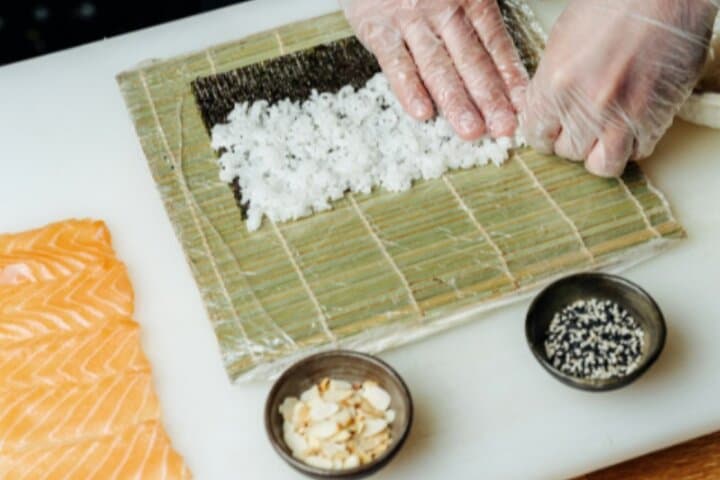
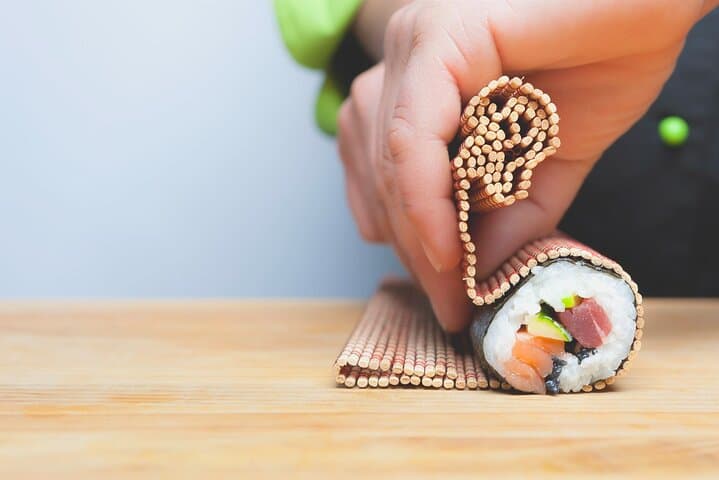
You step into Lost Boy Cider and the room tightens around the scent of steamed rice and sharp rice vinegar—workstations lined with bamboo mats, knives glinting under warm light. The instructor demos a perfect furikake sprinkle while the ciderhouse hums: low conversation, the clack of chopsticks, and the fizz of craft cider. Over two focused hours you’ll spread rice, layer neta, tuck and roll, and leave with three distinct maki made by your own hands.
You step into Lost Boy Cider and the room tightens around the scent of steamed rice and sharp rice vinegar—workstations lined with bamboo mats, knives glinting under warm light. The instructor demos a perfect furikake sprinkle while the ciderhouse hums: low conversation, the clack of chopsticks, and the fizz of craft cider. Over two focused hours you’ll spread rice, layer neta, tuck and roll, and leave with three distinct maki made by your own hands.
Sushi’s roots run from Edo-period street food to global craft, and the class bridges that lineage with Alexandria’s working-port past. The nearby Potomac estuary shaped the region’s seafood trade, so local chefs often emphasize fresh sourcing and seasonal ingredients. Expect a short primer on sushi-grade fish handling, rice preparation, and umami-balancing techniques that fit both tradition and modern food-safety standards.
Practical guidance is direct: the class is social and hands-on, limited seating means arriving five minutes early helps you settle. Bring notes if you want to replicate techniques at home; instructors cover knife angles, rice texture, and rolling pressure. The session moves at a steady pace—standing, using fine motor skills, and tasting as you go—so wear comfortable shoes and note the class advisories around pregnancy and back issues.
Pair the lesson with a walk along the Mount Vernon Trail or a cider on the Lost Boy patio to close the loop between learning and local flavor. This is a compact, practical workshop that teaches repeatable skills while highlighting responsible seafood choices and simple tools you’ll use again and again.