THE ADVENTURE COLLECTIVE® · Independent discovery and booking for outdoor travel

Traverse coastal Lima, Inca Cusco and the Sacred Valley, then ride to Machu Picchu and cross Lake Titicaca in nine action-packed days. This compact southern Peru circuit balances cultural immersion, geology and high-altitude scenery with practical logistics you should know before you go.
Traverse coastal Lima, Inca Cusco and the Sacred Valley, then ride to Machu Picchu and cross Lake Titicaca in nine action-packed days. This compact southern Peru circuit balances cultural immersion, geology and high-altitude scenery with practical logistics you should know before you go.
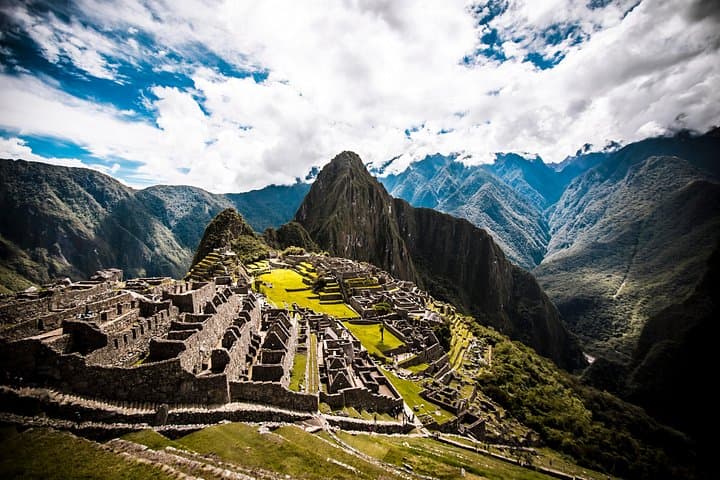
The day begins in Lima with a salt-steeled breeze off the Pacific and a guide waiting to steer you toward the high, dry shoulders of the Andes. Over nine days you climb from coastal plazas into thin-air towns, follow river canyons into the Sacred Valley, and ride a train through cloud-wrapped ridges to the approach road for Machu Picchu. Stone terraces rise like breath from the mountains; lakes mirror sky and human history in the altiplano.
Verified experiences and guided adventures in the surrounding area.
Operated by LimaTours · Lima, Lima Province
The day begins in Lima with a salt-steeled breeze off the Pacific and a guide waiting to steer you toward the high, dry shoulders of the Andes. Over nine days you climb from coastal plazas into thin-air towns, follow river canyons into the Sacred Valley, and ride a train through cloud-wrapped ridges to the approach road for Machu Picchu. Stone terraces rise like breath from the mountains; lakes mirror sky and human history in the altiplano.
This itinerary threads Spanish colonial Lima, Inca Cusco and the living agrarian culture of Chinchero with the engineered mystery of Machu Picchu and the reed islands of Lake Titicaca. Geologically, the route crosses uplifted Andean ranges formed by Nazca plate collisions and high-altitude plains carved by glacial and fluvial action. Culturally, Quechua and Aymara traditions remain visible in textiles, markets, and agricultural terraces; llama and alpaca herds punctuate the high grasslands.
Expect guided city walking tours, a rail journey to Aguas Calientes, a timed visit to the Machu Picchu citadel, and a boat outing to Uros and Taquile on Titicaca. Altitude is the practical antagonist: La Raya reaches ~4,300 m and Puno sits over 3,800 m, so plan acclimatization and hydration. Bring layered clothing for big day-night swings, sun protection for intense high-elevation UV, and comfortable footwear for cobblestones and terraces. Carry passport copies (required for bookings), local currency for markets, and any necessary medication for altitude. Book trains and entrance slots early; mornings at Machu Picchu are quieter and light is best for seeing the citadel’s stonework. This route rewards travelers with cultural depth, dramatic vistas, and a clear introduction to southern Peru’s landscapes and peoples.
moderate.
9 days.
Suitable for travelers with average fitness; be prepared for walking on uneven cobbles, stairs and short uphill stretches at altitude.
Yes—some legs of the trip exceed 4,000 m. Allow time to acclimatize, avoid alcohol on arrival days, hydrate, and consult your doctor about acetazolamide if you are prone to altitude issues.
The tour includes round-trip train to Aguas Calientes and admission to major monuments listed, but verify which Machu Picchu entrance window or second entrance (e.g., Huayna Picchu) is included before booking.
Peruvian sol is primary; major cities accept cards but carry cash for markets, small vendors, tips and boat fares on Lake Titicaca.
The itinerary is described as suitable for all fitness levels, but expect daily walking on uneven surfaces and brief hikes—basic mobility and stamina for stairs and short climbs are needed.
The route traces the heart of the Inca world—Machu Picchu dates to the 15th century under Pachacuti—overlaid by Spanish colonial centres in Lima and Cusco.
High-altitude ecosystems and reed islands are fragile; stick to marked paths, respect local communities, and limit single-use plastics to reduce impact.
LimaTours operates guided outdoor trips and adventures with an emphasis on safety, stewardship, and memorable experiences.
The day begins in Lima with a salt-steeled breeze off the Pacific and a guide waiting to steer you toward the high, dry shoulders of the Andes. Over nine days you climb from coastal plazas into thin-air towns, follow river canyons into the Sacred Valley, and ride a train through cloud-wrapped ridges to the approach road for Machu Picchu. Stone terraces rise like breath from the mountains; lakes mirror sky and human history in the altiplano.
The day begins in Lima with a salt-steeled breeze off the Pacific and a guide waiting to steer you toward the high, dry shoulders of the Andes. Over nine days you climb from coastal plazas into thin-air towns, follow river canyons into the Sacred Valley, and ride a train through cloud-wrapped ridges to the approach road for Machu Picchu. Stone terraces rise like breath from the mountains; lakes mirror sky and human history in the altiplano.
This itinerary threads Spanish colonial Lima, Inca Cusco and the living agrarian culture of Chinchero with the engineered mystery of Machu Picchu and the reed islands of Lake Titicaca. Geologically, the route crosses uplifted Andean ranges formed by Nazca plate collisions and high-altitude plains carved by glacial and fluvial action. Culturally, Quechua and Aymara traditions remain visible in textiles, markets, and agricultural terraces; llama and alpaca herds punctuate the high grasslands.
Expect guided city walking tours, a rail journey to Aguas Calientes, a timed visit to the Machu Picchu citadel, and a boat outing to Uros and Taquile on Titicaca. Altitude is the practical antagonist: La Raya reaches ~4,300 m and Puno sits over 3,800 m, so plan acclimatization and hydration. Bring layered clothing for big day-night swings, sun protection for intense high-elevation UV, and comfortable footwear for cobblestones and terraces. Carry passport copies (required for bookings), local currency for markets, and any necessary medication for altitude. Book trains and entrance slots early; mornings at Machu Picchu are quieter and light is best for seeing the citadel’s stonework. This route rewards travelers with cultural depth, dramatic vistas, and a clear introduction to southern Peru’s landscapes and peoples.