THE ADVENTURE COLLECTIVE® · Independent discovery and booking for outdoor travel

Experience the Mekong Delta’s predawn energy on a 2-day journey through Cai Rang, coconut canals and orchard villages. This overnight trip combines early-morning boat runs with village visits and a possible homestay in Can Tho.
Experience the Mekong Delta’s predawn energy on a 2-day journey through Cai Rang, coconut canals and orchard villages. This overnight trip combines early-morning boat runs with village visits and a possible homestay in Can Tho.
Morning light peels back the mist on the Mekong; the river pushes a slow current that moves crates of mangoes and conversations alike. At 5:30 a.m. the Cai Rang floating market hums: longboats piled with fruit, vendors balancing gas stoves and scales, and narrow wooden skiffs threading channels rimmed by water coconut palms.
Verified experiences and guided adventures in the surrounding area.
Operated by Mekong River Luxury Cruises · Can Tho, Can Tho
Morning light peels back the mist on the Mekong; the river pushes a slow current that moves crates of mangoes and conversations alike. At 5:30 a.m. the Cai Rang floating market hums: longboats piled with fruit, vendors balancing gas stoves and scales, and narrow wooden skiffs threading channels rimmed by water coconut palms.
The delta is geologically young—sediment carried down from the Annamite Range and beyond has built islands, creeks and peat flats over millennia—so the landscape changes with each season and tide. Khmer, Chinese and Vietnamese communities layered their customs here; you’ll pass stilt houses, family noodle workshops and small village temples that speak to livelihoods shaped by water and rice.
This two-day, one-night route links Ho Chi Minh City with My Tho, Ben Tre and Can Tho: expect boat rides under palm canopies, short village walks and roughly 3–4 hours of road travel spread across the itinerary. The predawn Cai Rang run (usually around 5:30 a.m.) is the market’s busiest and most photogenic window, while afternoons are better for quiet orchard walks or homestay music in the villages.
Practical guidance: pack quick-dry layers, a waterproof phone case, insect repellent and small bills for market purchases. Wear water-resistant shoes for muddy paths and plan for humidity—start early and rest midday. Be mindful when photographing locals and avoid single-use plastics; the waterways are both workplace and lifeline here.
easy.
2 days.
Suitable for most fitness levels; able to step on/off boats and walk short distances on flat, sometimes muddy terrain.
Pickup and drop-off, meals specified for the two days, an English-speaking guide and entrance fees are included; check your booking for exact meal counts.
Yes—this itinerary is rated easy with minimal walking, but early starts and boat transfers may be tiring for very young children or those with mobility issues.
Visa and vaccination requirements depend on your nationality; check Vietnam’s official entry rules and recommended vaccines before travel.
Operators typically continue unless waterways are unsafe; confirm refund policy before booking—this tour lists all sales final for cancellations.
The Mekong Delta bears Khmer roots and later Chinese and Vietnamese settlement; its landscape and livelihoods evolved around rice cultivation and river trade.
The delta faces threats from sea-level rise, upstream dams and plastic pollution—support local, low-impact operators and avoid single-use plastics to reduce your footprint.
Mekong River Luxury Cruises operates guided outdoor trips and adventures with an emphasis on safety, stewardship, and memorable experiences.

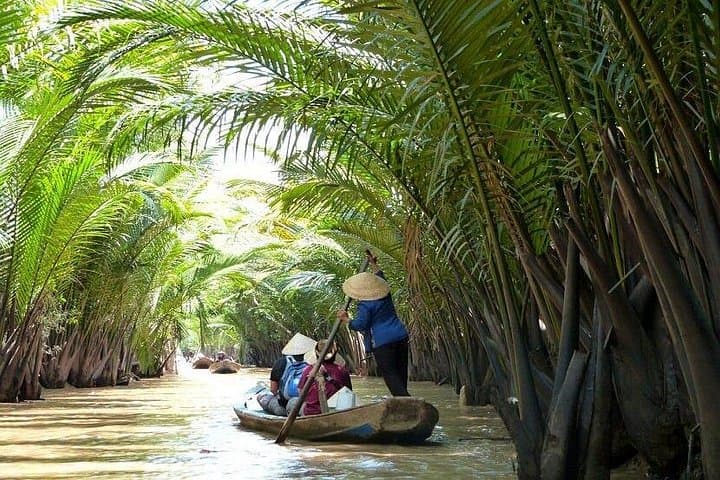


Morning light peels back the mist on the Mekong; the river pushes a slow current that moves crates of mangoes and conversations alike. At 5:30 a.m. the Cai Rang floating market hums: longboats piled with fruit, vendors balancing gas stoves and scales, and narrow wooden skiffs threading channels rimmed by water coconut palms.
Morning light peels back the mist on the Mekong; the river pushes a slow current that moves crates of mangoes and conversations alike. At 5:30 a.m. the Cai Rang floating market hums: longboats piled with fruit, vendors balancing gas stoves and scales, and narrow wooden skiffs threading channels rimmed by water coconut palms.
The delta is geologically young—sediment carried down from the Annamite Range and beyond has built islands, creeks and peat flats over millennia—so the landscape changes with each season and tide. Khmer, Chinese and Vietnamese communities layered their customs here; you’ll pass stilt houses, family noodle workshops and small village temples that speak to livelihoods shaped by water and rice.
This two-day, one-night route links Ho Chi Minh City with My Tho, Ben Tre and Can Tho: expect boat rides under palm canopies, short village walks and roughly 3–4 hours of road travel spread across the itinerary. The predawn Cai Rang run (usually around 5:30 a.m.) is the market’s busiest and most photogenic window, while afternoons are better for quiet orchard walks or homestay music in the villages.
Practical guidance: pack quick-dry layers, a waterproof phone case, insect repellent and small bills for market purchases. Wear water-resistant shoes for muddy paths and plan for humidity—start early and rest midday. Be mindful when photographing locals and avoid single-use plastics; the waterways are both workplace and lifeline here.