THE ADVENTURE COLLECTIVE® · Independent discovery and booking for outdoor travel

A compact, seven-day itinerary that pairs Cusco’s city ruins with the Sacred Valley and a train-and-bus approach to Machu Picchu. Ideal for travelers who want archaeological depth, cultural encounters, and firm logistics in one package.
A compact, seven-day itinerary that pairs Cusco’s city ruins with the Sacred Valley and a train-and-bus approach to Machu Picchu. Ideal for travelers who want archaeological depth, cultural encounters, and firm logistics in one package.
The first morning in Cusco hits like thin-air clarity: cobbled streets hum with vendors, church bells measure time, and the Andes rise in stepped silhouettes beyond the city. Travelers step off the bus or out of the airport into a city where Spanish colonial squares sit on Inca stones, and the Urubamba River dares you toward deeper valleys.
Verified experiences and guided adventures in the surrounding area.
Operated by Tangol · Cusco, Cusco
The first morning in Cusco hits like thin-air clarity: cobbled streets hum with vendors, church bells measure time, and the Andes rise in stepped silhouettes beyond the city. Travelers step off the bus or out of the airport into a city where Spanish colonial squares sit on Inca stones, and the Urubamba River dares you toward deeper valleys.
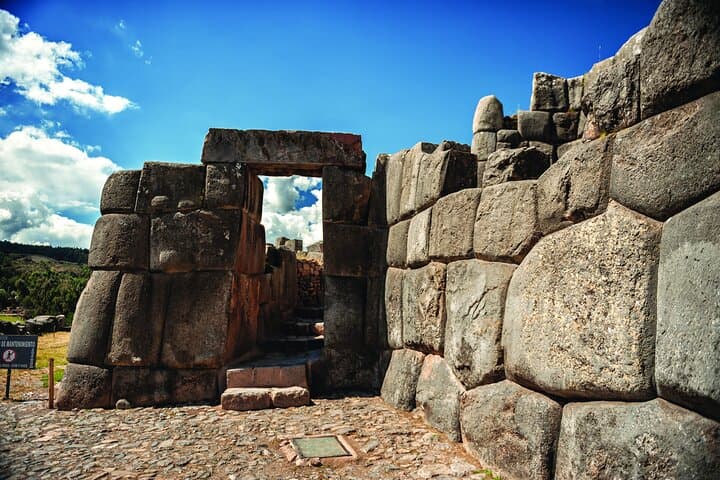
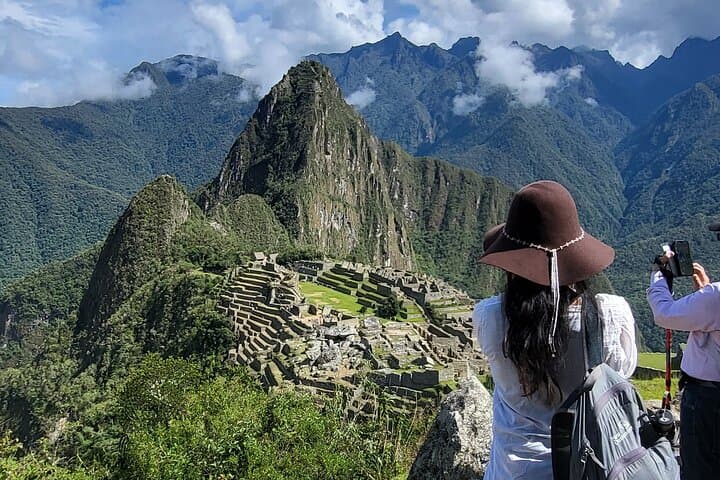
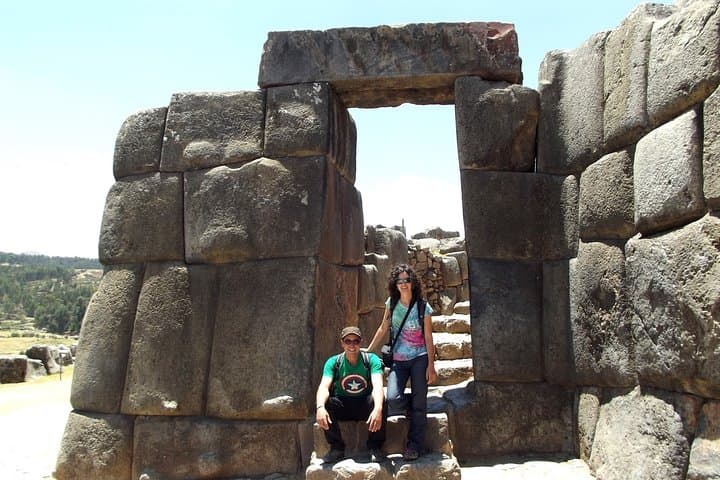
Over seven days this package moves from highland streets to ceremonial terraces. Cusco’s Koricancha reveals where Inca stonework met colonial churches; Sacsayhuamán shows massive, precisely cut blocks that speak to pre-Columbian engineering. The Sacred Valley—Moray’s concentric agricultural bowls and the salt pans of Maras—illustrate ancient experimentation with microclimates. Machu Picchu, reached by train and winding bus, presents urban plazas and agricultural terraces clinging to a steep ridge above cloud forest; geology here is young Andean uplift, fractured granite and steep river canyons that shape the microclimates.
Culturally the week mixes markets and textile workshops in Chinchero, religious art in Andahuaylillas, and living Quechua traditions in valley towns. Expect narrow streets, altitude adjustments, and layered weather—sun, sharp wind and sudden showers.
Practical guidance: acclimatize 24–48 hours in Cusco before heavy walking; carry water, sunscreen and a lightweight rain layer; expect early pickups and a mix of walking, short hikes, and guided site visits. Train and bus logistics to Aguas Calientes are fixed—bookings are timed—so pack light for the Machu Picchu day. With moderate fitness and respect for altitude, this circuit provides a dense, transportive introduction to Inca landscapes and living Andean culture.
moderate.
6–8 days.
Suitable for travelers in average shape who can handle daily walking at altitude; some steep stairs at sites.
Yes—Cusco sits above 3,300 m; allow 24–48 hours to acclimatize, hydrate, rest, and consider talking to your doctor about medication if you have concerns.
The itinerary includes guided visits and train transport to Aguas Calientes; verify ticket types for Huayna Picchu or Machu Picchu Mountain as these require separate permits.
Peruvian sol is standard for purchases; Spanish and Quechua are common—guides speak English and Spanish per the package details.
The guided visit involves walking on uneven stone and stairs for several hours; optional additional hikes (Sun Gate, Huayna) increase difficulty and require separate permits.
Cusco was the administrative center of the Inca Empire; many colonial churches were built over foundational Inca stone platforms, creating visible cultural layers.
Machu Picchu has strict visitor caps and time windows to limit erosion; travelers should stay on marked paths, avoid drone use, and support local guides and conservation fees.
Tangol operates guided outdoor trips and adventures with an emphasis on safety, stewardship, and memorable experiences.

The first morning in Cusco hits like thin-air clarity: cobbled streets hum with vendors, church bells measure time, and the Andes rise in stepped silhouettes beyond the city. Travelers step off the bus or out of the airport into a city where Spanish colonial squares sit on Inca stones, and the Urubamba River dares you toward deeper valleys.
The first morning in Cusco hits like thin-air clarity: cobbled streets hum with vendors, church bells measure time, and the Andes rise in stepped silhouettes beyond the city. Travelers step off the bus or out of the airport into a city where Spanish colonial squares sit on Inca stones, and the Urubamba River dares you toward deeper valleys.
Over seven days this package moves from highland streets to ceremonial terraces. Cusco’s Koricancha reveals where Inca stonework met colonial churches; Sacsayhuamán shows massive, precisely cut blocks that speak to pre-Columbian engineering. The Sacred Valley—Moray’s concentric agricultural bowls and the salt pans of Maras—illustrate ancient experimentation with microclimates. Machu Picchu, reached by train and winding bus, presents urban plazas and agricultural terraces clinging to a steep ridge above cloud forest; geology here is young Andean uplift, fractured granite and steep river canyons that shape the microclimates.
Culturally the week mixes markets and textile workshops in Chinchero, religious art in Andahuaylillas, and living Quechua traditions in valley towns. Expect narrow streets, altitude adjustments, and layered weather—sun, sharp wind and sudden showers.
Practical guidance: acclimatize 24–48 hours in Cusco before heavy walking; carry water, sunscreen and a lightweight rain layer; expect early pickups and a mix of walking, short hikes, and guided site visits. Train and bus logistics to Aguas Calientes are fixed—bookings are timed—so pack light for the Machu Picchu day. With moderate fitness and respect for altitude, this circuit provides a dense, transportive introduction to Inca landscapes and living Andean culture.