THE ADVENTURE COLLECTIVE® · Independent discovery and booking for outdoor travel

Explore Cusco’s core in a focused half-day: Qoricancha, Sacsayhuamán and nearby Inca sites reveal the city’s Inca-Spanish fusion. Expect cobbled streets, short uphill walks, and practical tips for high-altitude comfort.
Explore Cusco’s core in a focused half-day: Qoricancha, Sacsayhuamán and nearby Inca sites reveal the city’s Inca-Spanish fusion. Expect cobbled streets, short uphill walks, and practical tips for high-altitude comfort.
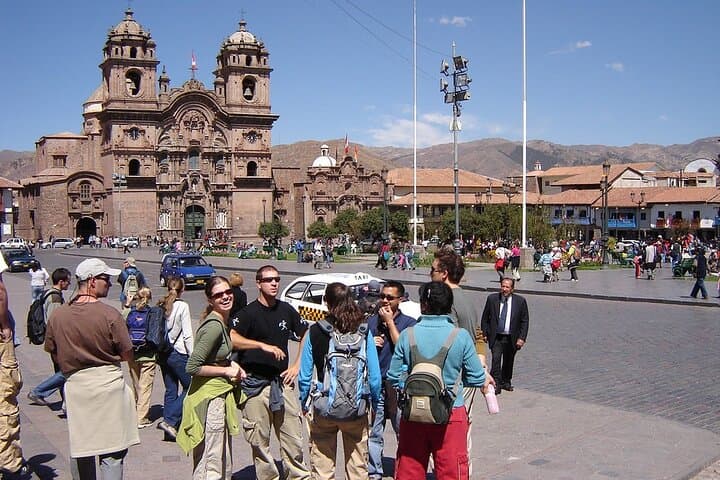
Plaza de Armas opens like a public stage — carved stone underfoot, cathedral bells marking the hour, and a highland wind that seems to push the city forward. On this half-day route, visitors move through layers of history: Spanish façades built on Inca foundations, sunlit plazas, and terraces that climb the hills outside the city.
Verified experiences and guided adventures in the surrounding area.
Operated by Paqarina Journeys Peru · Cusco, Cusco
Plaza de Armas opens like a public stage — carved stone underfoot, cathedral bells marking the hour, and a highland wind that seems to push the city forward. On this half-day route, visitors move through layers of history: Spanish façades built on Inca foundations, sunlit plazas, and terraces that climb the hills outside the city.
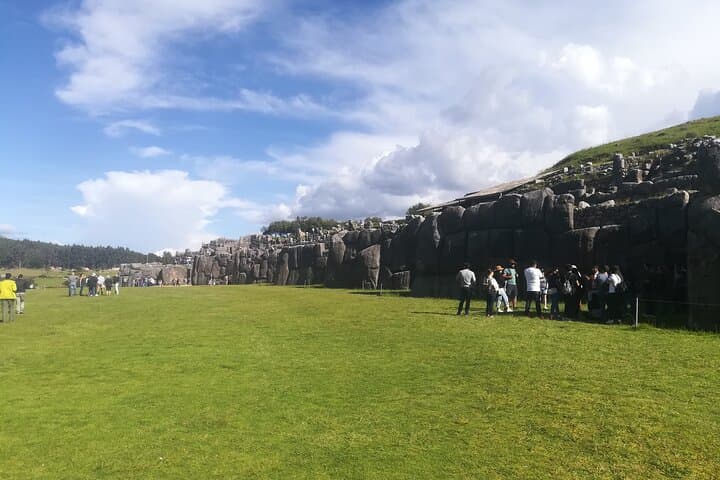
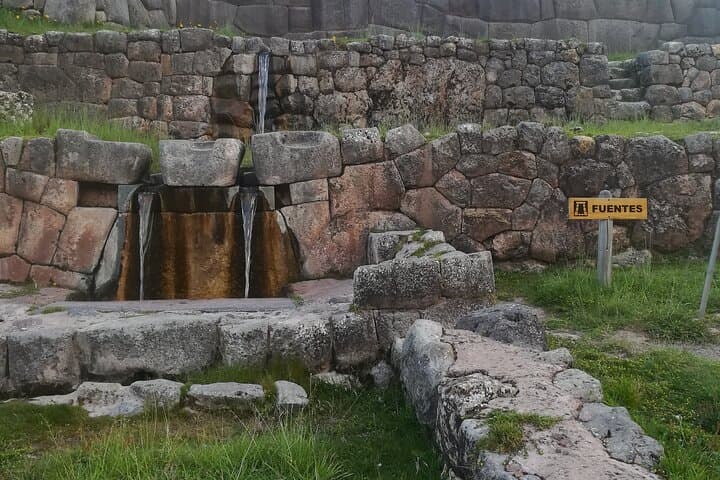
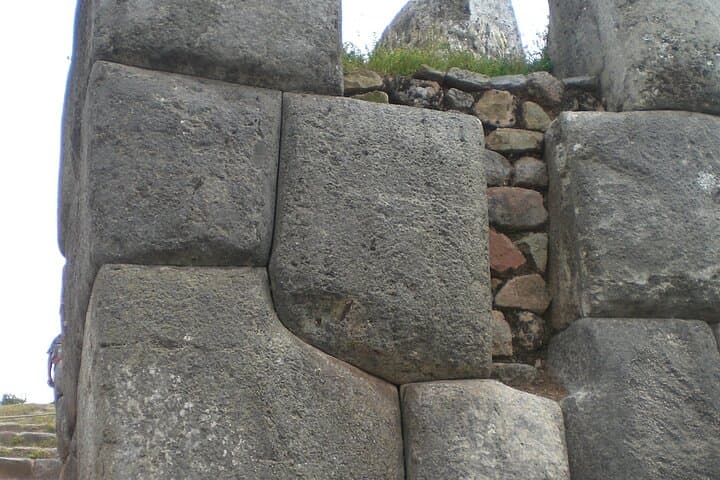
Cusco’s streets tell the story of conquest and continuity. The Qoricancha (Temple of the Sun) shows how finely dressed Inca masonry met baroque colonial overlays; Sacsayhuamán’s massive zigzag walls sit on a ridge carved from volcanic bedrock, a reminder of the Andes’ violent geological past. Smaller sites — Puka Pukara, Tambomachay, Q’enqo — reveal military, hydraulic, and ritual uses that shaped local life for centuries.
Today, Quechua-speaking vendors, craft markets, and colonial churches create a living contrast, and the altitude gives everyday sounds a thin, crisp edge. The terrain is urban and archaeological: cobbled streets, stepped plazas, and short uphill walks between viewpoints.
Practical guide: allot about five hours, wear supportive shoes for uneven cobbles, and layer for temperature swings between sun and shade. Acclimatize for 24–48 hours if arriving from low elevation — headaches and breathlessness are common otherwise. Some sites require the Cusco Tourist Ticket (Boleto Turístico) — bring ID and small cash for local vendors. Hydration, sunscreen, and a light rain layer (season dependent) will keep the day comfortable. With a bilingual guide and private transport included on many tours, this itinerary is efficient: culturally dense, easy on the legs, and rich in context — ideal for first-time visitors who want a clear orientation to Cusco’s ancient and colonial facets.
easy.
5 hours.
Suitable for most fitness levels; requires walking on uneven cobbles and short uphill sections.
Many local archaeological sites require the Cusco Tourist Ticket (Boleto Turístico); this tour’s price does not always cover that ticket, so check details and bring ID for purchase.
The tour is wheelchair accessible in parts (transport provided), but several sites have uneven surfaces and steps—contact the operator to review specific accessibility arrangements.
Symptoms vary; mild headache or breathlessness is common at Cusco’s 3,400 m elevation—hydrate, move at a steady pace, and consider resting an extra day if arriving from low elevations.
Guides are often bilingual (Spanish/English) and shared tours typically cap around 18 travelers; private options may be available on request.
Cusco was the historic capital of the Inca Empire and later the seat of Spanish colonial power; many colonial buildings were constructed directly atop Inca foundations, creating the city’s layered urban fabric.
Visitor impact is managed through site regulations and the Boleto Turístico; stick to marked paths, avoid touching stonework, and support local guides and artisans to sustain community conservation efforts.
Paqarina Journeys Peru operates guided outdoor trips and adventures with an emphasis on safety, stewardship, and memorable experiences.
Plaza de Armas opens like a public stage — carved stone underfoot, cathedral bells marking the hour, and a highland wind that seems to push the city forward. On this half-day route, visitors move through layers of history: Spanish façades built on Inca foundations, sunlit plazas, and terraces that climb the hills outside the city.
Plaza de Armas opens like a public stage — carved stone underfoot, cathedral bells marking the hour, and a highland wind that seems to push the city forward. On this half-day route, visitors move through layers of history: Spanish façades built on Inca foundations, sunlit plazas, and terraces that climb the hills outside the city.
Cusco’s streets tell the story of conquest and continuity. The Qoricancha (Temple of the Sun) shows how finely dressed Inca masonry met baroque colonial overlays; Sacsayhuamán’s massive zigzag walls sit on a ridge carved from volcanic bedrock, a reminder of the Andes’ violent geological past. Smaller sites — Puka Pukara, Tambomachay, Q’enqo — reveal military, hydraulic, and ritual uses that shaped local life for centuries.
Today, Quechua-speaking vendors, craft markets, and colonial churches create a living contrast, and the altitude gives everyday sounds a thin, crisp edge. The terrain is urban and archaeological: cobbled streets, stepped plazas, and short uphill walks between viewpoints.
Practical guide: allot about five hours, wear supportive shoes for uneven cobbles, and layer for temperature swings between sun and shade. Acclimatize for 24–48 hours if arriving from low elevation — headaches and breathlessness are common otherwise. Some sites require the Cusco Tourist Ticket (Boleto Turístico) — bring ID and small cash for local vendors. Hydration, sunscreen, and a light rain layer (season dependent) will keep the day comfortable. With a bilingual guide and private transport included on many tours, this itinerary is efficient: culturally dense, easy on the legs, and rich in context — ideal for first-time visitors who want a clear orientation to Cusco’s ancient and colonial facets.