THE ADVENTURE COLLECTIVE® · Independent discovery and booking for outdoor travel

Spend a private day moving between Bali’s best short‑walk sights—waterfalls, temple springs, and rice terraces—guided by a Balinese local. This practical day charter balances photography stops with cultural context and easy walking.
Spend a private day moving between Bali’s best short‑walk sights—waterfalls, temple springs, and rice terraces—guided by a Balinese local. This practical day charter balances photography stops with cultural context and easy walking.
You step out of an air‑conditioned van and the island's humidity greets you like a living thing—warm, fragrant with frangipani and the sharp, green scent of wet rice. The day unfolds as a series of short walks and photo stops: a stepped cascade pouring over basalt at Kanto Lampo, the thunderous drop of Tegenungan, the ritual pools of Tirta Empul, and the tiered greens of Tegalalang where irrigation channels cut neat lines through the hills.
Verified experiences and guided adventures in the surrounding area.
Operated by Tour & Sightseeing in Bali · Ubud, Bali
You step out of an air‑conditioned van and the island's humidity greets you like a living thing—warm, fragrant with frangipani and the sharp, green scent of wet rice. The day unfolds as a series of short walks and photo stops: a stepped cascade pouring over basalt at Kanto Lampo, the thunderous drop of Tegenungan, the ritual pools of Tirta Empul, and the tiered greens of Tegalalang where irrigation channels cut neat lines through the hills.
These stops trace Bali’s living history: centuries of Hindu ritual at purification springs, rice terraces shaped by the Subak cooperative system the UNESCO program recognizes, and coastal temples that mark the island’s syncretic faith. Geologically, the central highlands are old volcanic slopes with streams carving narrow ravines that feed the waterfalls; the terraces sit on volcanic loam that drains quickly and glows after rain.
Culturally, expect temple etiquette—sarongs and modest behavior—and lively roadside stalls selling kopi luwak and coconut sugar. Local guides double as drivers and photographers, smoothing logistics so you can move between micro‑landscapes in one day.
Practical guidance: aim to start early to beat mid‑day crowds and heat, carry cash for small entrance fees, and bring a lightweight rain layer in the wet months. Footwork is mostly short, sometimes slippery steps; sturdy sandals or trainers are suitable. Hydrate regularly and leave time for a relaxed coffee tasting at a family plantation—it's a pleasant, helpful way to translate the scenery into a sense of place before the return drive to Ubud.
easy.
8–10 hours.
Suitable for travelers in light to moderate fitness; activity includes short walks, stairs, and standing at viewpoints.
Most modest attraction fees are not included; bring small cash for temple donations and viewpoint tickets.
Yes—the itinerary involves easy walking, but stairs and slippery sections at waterfalls mean supervision and steady footwear are recommended.
Yes—this is a private charter and the driver/guide can adjust stops; communicate preferences at booking or on the morning of the tour.
Yes—temples require modest dress; many operators provide or can lend sarongs, but bringing your own is convenient.
The sights follow Bali’s Hindu cultural geography—purification springs like Tirta Empul are active ritual sites, and the Subak irrigation system reflects a communal agricultural tradition recognized by UNESCO.
High foot traffic and informal trails can accelerate erosion; stick to marked paths, avoid littering, and support local guides and community‑run attractions.
Tour & Sightseeing in Bali operates guided outdoor trips and adventures with an emphasis on safety, stewardship, and memorable experiences.
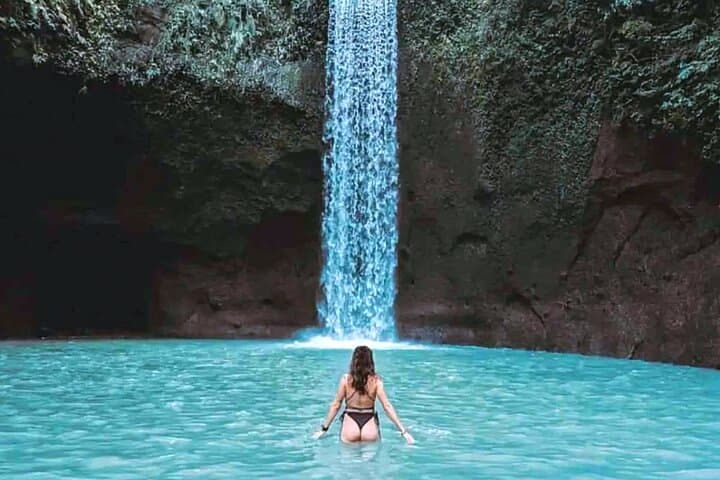
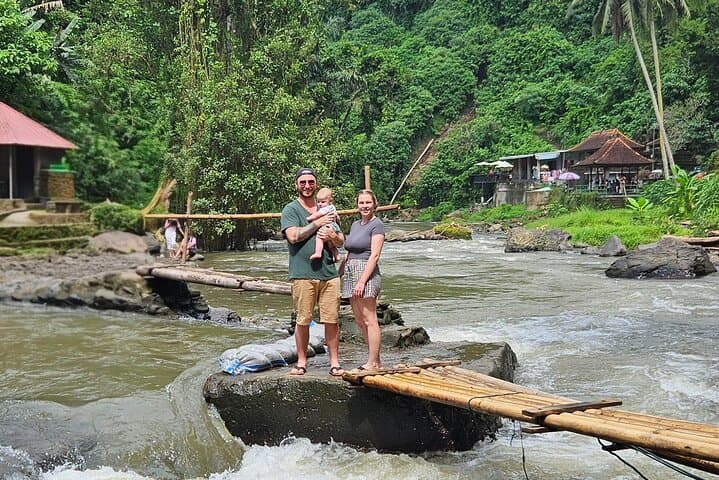
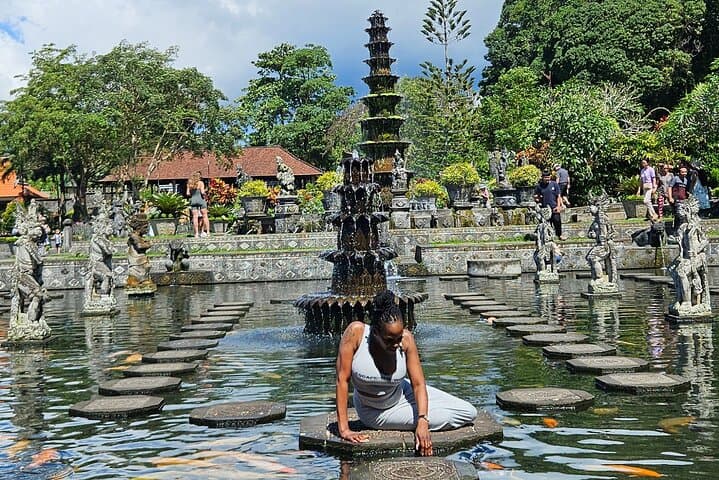
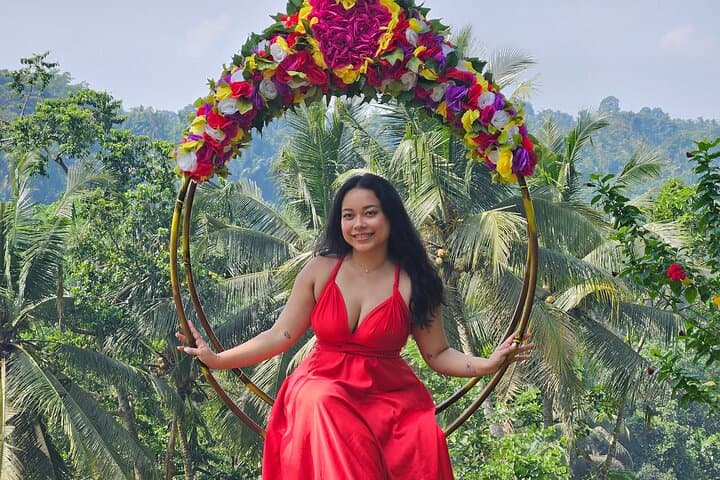
You step out of an air‑conditioned van and the island's humidity greets you like a living thing—warm, fragrant with frangipani and the sharp, green scent of wet rice. The day unfolds as a series of short walks and photo stops: a stepped cascade pouring over basalt at Kanto Lampo, the thunderous drop of Tegenungan, the ritual pools of Tirta Empul, and the tiered greens of Tegalalang where irrigation channels cut neat lines through the hills.
You step out of an air‑conditioned van and the island's humidity greets you like a living thing—warm, fragrant with frangipani and the sharp, green scent of wet rice. The day unfolds as a series of short walks and photo stops: a stepped cascade pouring over basalt at Kanto Lampo, the thunderous drop of Tegenungan, the ritual pools of Tirta Empul, and the tiered greens of Tegalalang where irrigation channels cut neat lines through the hills.
These stops trace Bali’s living history: centuries of Hindu ritual at purification springs, rice terraces shaped by the Subak cooperative system the UNESCO program recognizes, and coastal temples that mark the island’s syncretic faith. Geologically, the central highlands are old volcanic slopes with streams carving narrow ravines that feed the waterfalls; the terraces sit on volcanic loam that drains quickly and glows after rain.
Culturally, expect temple etiquette—sarongs and modest behavior—and lively roadside stalls selling kopi luwak and coconut sugar. Local guides double as drivers and photographers, smoothing logistics so you can move between micro‑landscapes in one day.
Practical guidance: aim to start early to beat mid‑day crowds and heat, carry cash for small entrance fees, and bring a lightweight rain layer in the wet months. Footwork is mostly short, sometimes slippery steps; sturdy sandals or trainers are suitable. Hydrate regularly and leave time for a relaxed coffee tasting at a family plantation—it's a pleasant, helpful way to translate the scenery into a sense of place before the return drive to Ubud.