THE ADVENTURE COLLECTIVE® · Independent discovery and booking for outdoor travel

Spend 2.5 hours with a local guide exploring Amsterdam’s canal ring, royal squares, and lesser-known courtyards. This tour mixes Golden Age history, WWII stories, and modern cultural insights to orient first-time visitors efficiently and vividly.
Spend 2.5 hours with a local guide exploring Amsterdam’s canal ring, royal squares, and lesser-known courtyards. This tour mixes Golden Age history, WWII stories, and modern cultural insights to orient first-time visitors efficiently and vividly.
You step off a tram into a ring of water and brick: bicycles hum past, canal edges glint, and a guide draws a line through the city’s layered history.
Verified experiences and guided adventures in the surrounding area.
Operated by YourConciergeEurope · Amsterdam, North Holland
You step off a tram into a ring of water and brick: bicycles hum past, canal edges glint, and a guide draws a line through the city’s layered history.
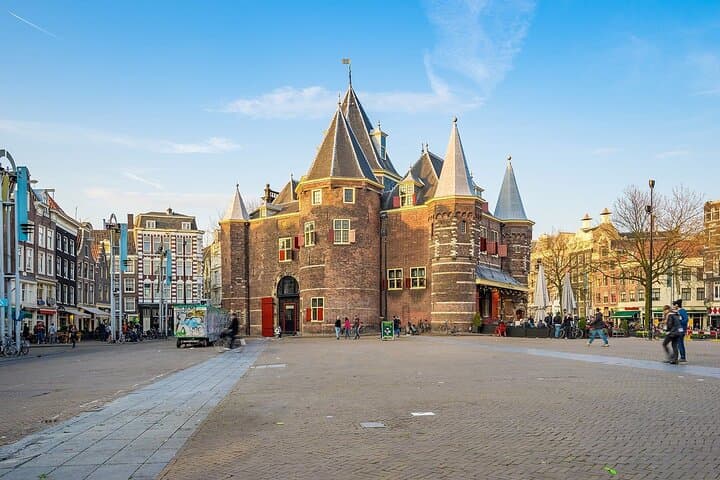
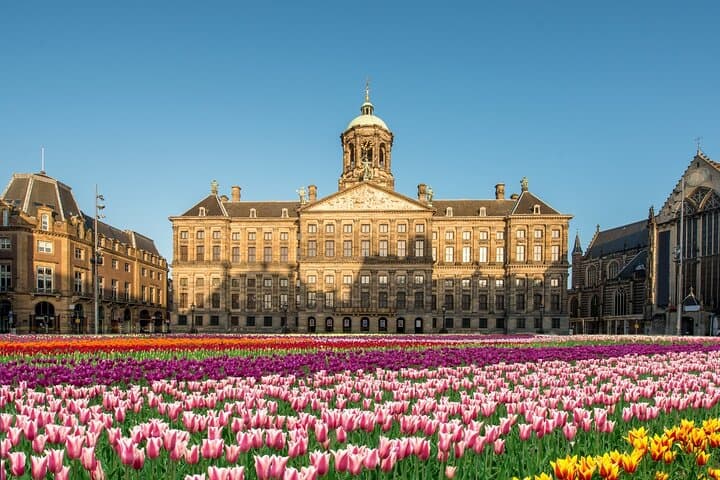
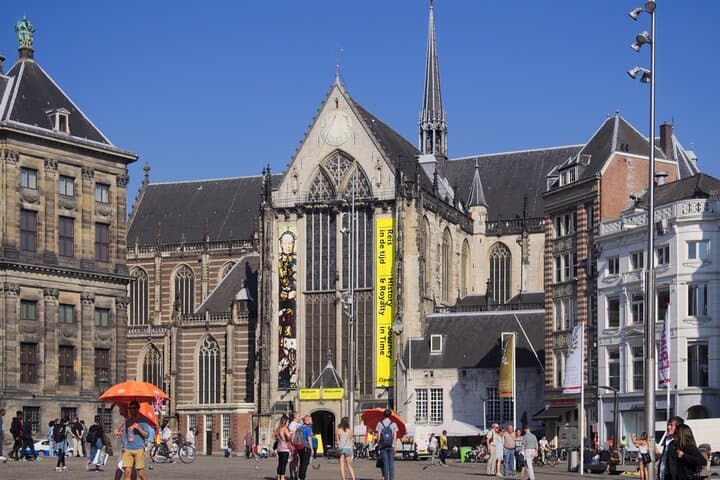
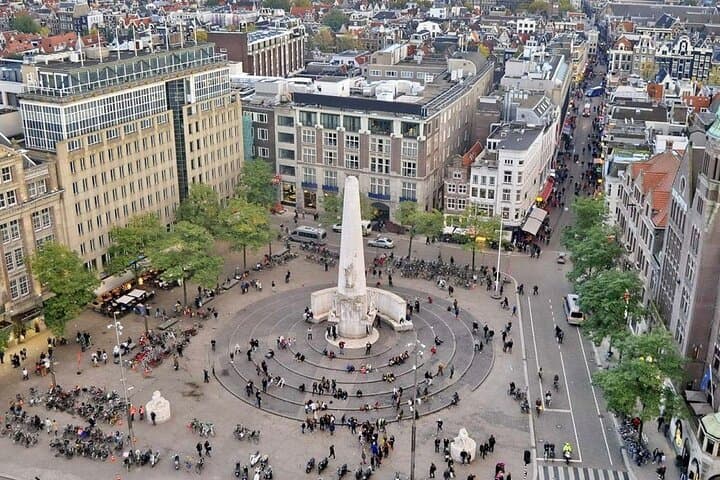
This 2.5-hour walking tour threads the historic center—Dam Square, the Royal Palace, Oude Kerk, Begijnhof and the floating flower market—tracing how a riverside settlement became a 17th‑century mercantile powerhouse. The canal belt itself is a feat of urban engineering: reclaimed land cut into concentric canals to support trade, shipping and dense city life.
Culturally the tour balances Golden Age pride with harder stories: the Jewish quarter’s wartime memory including Anne Frank, and Amsterdam’s modern identity seen in liberal policies and creative neighborhoods like the Jordaan. Architecture alternates between stately merchant houses and narrow alleys that reveal cafés, courtyards, and markets where locals still shop.
Practical guidance: expect steady, mostly paved walking with short staircases near canal bridges; the pace is conversational rather than athletic. Wear supportive shoes, keep an eye (and ear) out for bikes, and bring a small waterproof layer—weather turns fast. Tours are small-group friendly and largely accessible, but notify guides about mobility needs in advance.
Timing matters: morning light is best for photos along the canals, while early afternoon brings markets and local life to the fore. Stay present: the city asks you to move politely through its lanes—respect bike lanes, private courtyards, and the calm of historic sites.
easy.
2–3 hours.
Suitable for most fitness levels; expect 2.5 hours of walking at a relaxed, stop-and-talk pace
The tour runs approximately 2.5 hours and covers the central canal belt and historic sights at a conversational pace.
Much of the route is on paved surfaces with accessible areas, but some canal bridges and narrow streets may present challenges—contact the operator to discuss specific needs.
This experience is conducted in English by a local guide; check availability for other languages or private-group options.
Full refunds are typically available if you cancel at least 24 hours before the scheduled departure; confirm specifics when booking.
Amsterdam’s 17th-century canal expansion was driven by mercantile growth during the Dutch Golden Age; the city’s canals remain a living record of that urban planning era.
The city manages canal health and crowding with regulations on waste, boat traffic, and area conservation—respect local rules to minimize impact.
YourConciergeEurope operates guided outdoor trips and adventures with an emphasis on safety, stewardship, and memorable experiences.
You step off a tram into a ring of water and brick: bicycles hum past, canal edges glint, and a guide draws a line through the city’s layered history.
You step off a tram into a ring of water and brick: bicycles hum past, canal edges glint, and a guide draws a line through the city’s layered history.
This 2.5-hour walking tour threads the historic center—Dam Square, the Royal Palace, Oude Kerk, Begijnhof and the floating flower market—tracing how a riverside settlement became a 17th‑century mercantile powerhouse. The canal belt itself is a feat of urban engineering: reclaimed land cut into concentric canals to support trade, shipping and dense city life.
Culturally the tour balances Golden Age pride with harder stories: the Jewish quarter’s wartime memory including Anne Frank, and Amsterdam’s modern identity seen in liberal policies and creative neighborhoods like the Jordaan. Architecture alternates between stately merchant houses and narrow alleys that reveal cafés, courtyards, and markets where locals still shop.
Practical guidance: expect steady, mostly paved walking with short staircases near canal bridges; the pace is conversational rather than athletic. Wear supportive shoes, keep an eye (and ear) out for bikes, and bring a small waterproof layer—weather turns fast. Tours are small-group friendly and largely accessible, but notify guides about mobility needs in advance.
Timing matters: morning light is best for photos along the canals, while early afternoon brings markets and local life to the fore. Stay present: the city asks you to move politely through its lanes—respect bike lanes, private courtyards, and the calm of historic sites.