THE ADVENTURE COLLECTIVE® · Independent discovery and booking for outdoor travel

Move from Tokyo’s neon streets to Kyoto’s temple-lined lanes and Hakone’s steaming vents on this 10-day small-group tour. Expect efficient trains, cultural rituals, mountain gondolas, and a chance to meet Nara’s free-roaming deer.
Move from Tokyo’s neon streets to Kyoto’s temple-lined lanes and Hakone’s steaming vents on this 10-day small-group tour. Expect efficient trains, cultural rituals, mountain gondolas, and a chance to meet Nara’s free-roaming deer.
Morning light spills across Tokyo’s streets as your English-speaking guide meets the group at Kayabacho; the city hums and the trip’s rhythm begins with a train ticket and a strong cup of coffee. You move from neon avenues to the hush of Meiji Jingu’s cedar grove, then outward—Hakone’s ropeway climbs, Owakudani’s steam pushes the air, and Lake Ashi opens like a page where Mt. Fuji keeps watch.
Verified experiences and guided adventures in the surrounding area.
Operated by Travel China Guide · Tokyo, Tokyo
Morning light spills across Tokyo’s streets as your English-speaking guide meets the group at Kayabacho; the city hums and the trip’s rhythm begins with a train ticket and a strong cup of coffee. You move from neon avenues to the hush of Meiji Jingu’s cedar grove, then outward—Hakone’s ropeway climbs, Owakudani’s steam pushes the air, and Lake Ashi opens like a page where Mt. Fuji keeps watch.
This itinerary stitches together Japan’s layered history: Tokyo’s postwar growth and Edo-era temples, Kyoto’s Heian-period palaces and Zen gardens, Nara’s 8th-century Buddhist legacy, and the Gassho-zukuri farmhouses of Shirakawa-go shaped by heavy snows. Geology shows up in Hakone—volcanic vents that still exhale sulfur—and in the Kanto and Noto coastlines carved by tectonic motion.
Culturally the tour balances urban energy and quiet ritual: shrine etiquette, omikuji fortune slips, and the polite economy of local markets. Expect efficient public transport—bullet trains and local lines—with several uphill walks (Fushimi Inari’s shrine trail climbs to ~233 m; Hakone’s Gora station sits at ~533 m) and uneven surfaces in historic districts.
Practical guidance: bring sturdy walking shoes, a light rain layer and a small daypack for city strolls and mountain gondolas; carry some cash for small vendors and shrine offerings; aim for clear mornings to see Mt. Fuji; hydrate and pace yourself on days with multiple transfers. The small-group size (max 6) trims logistics friction but plan for stairs, crowded temples, and occasional sulfur odor in Owakudani. With basic fitness and a flexible attitude, this loop across Japan delivers concentrated culture, dramatic landscapes, and hands-on encounters with local life.
moderate.
10 days.
Suitable for travelers who can handle multiple days of walking, stairs, and short climbs; basic stamina is required for temple approaches and mountain viewpoints.
Visa requirements depend on your nationality—confirm entry rules before booking and ensure your passport validity meets Japan’s entry requirements.
Yes, high-speed train reservations for intercity segments are included or pre-arranged as stated in the itinerary, but some local transfers use public transport on your own with provided tickets.
The tour includes stairs, uneven streets, and some uphill walks; it’s not fully wheelchair accessible—contact the operator to discuss specific mobility needs.
Tipping is not customary; polite thanks and small gifts are appreciated but not expected—most service is included in the tour price.
This route threads through capitals and craft centers: Nara (710–784 AD) preserves early Buddhist architecture, Kyoto holds Heian and shogunal heritage, and Shirakawa-go’s Gassho-style houses reflect snow-adapted 17th-century rural life.
Visitor pressure is managed at sensitive sites—follow local guidance on feeding wildlife, stick to marked paths in Shirakawa-go, and avoid bringing single-use plastics to help protect fragile village and temple environments.
Travel China Guide operates guided outdoor trips and adventures with an emphasis on safety, stewardship, and memorable experiences.
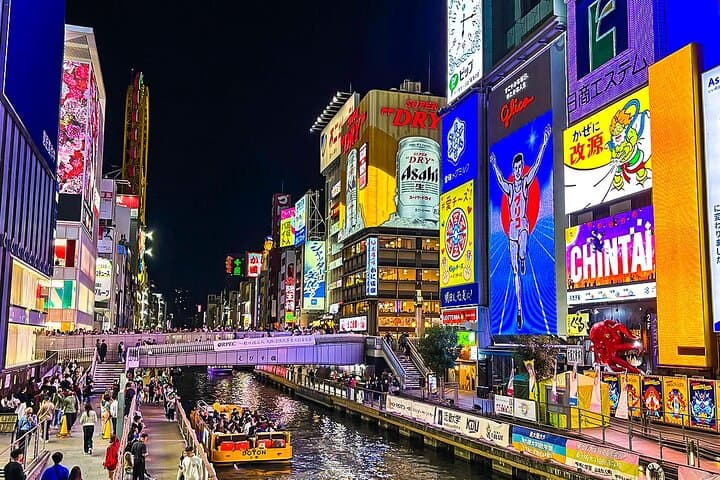
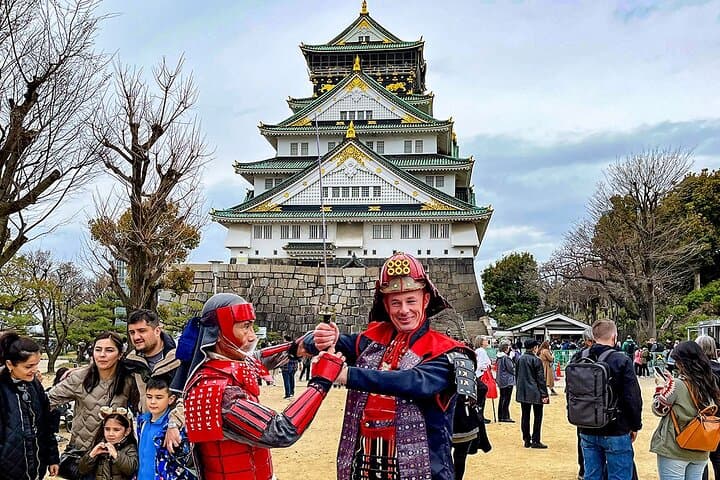
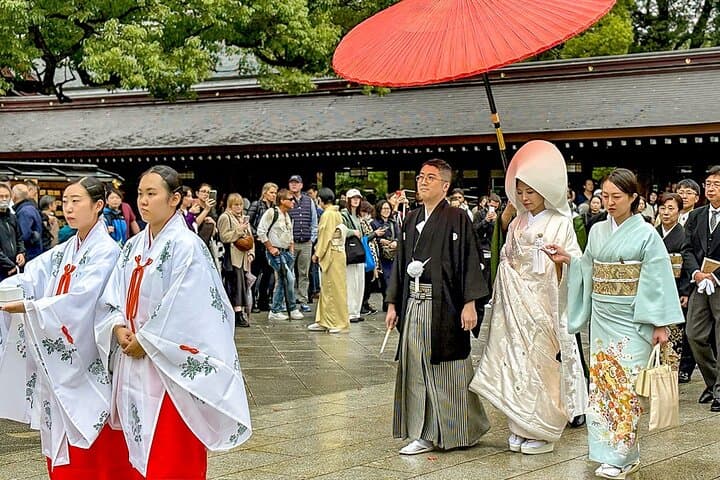
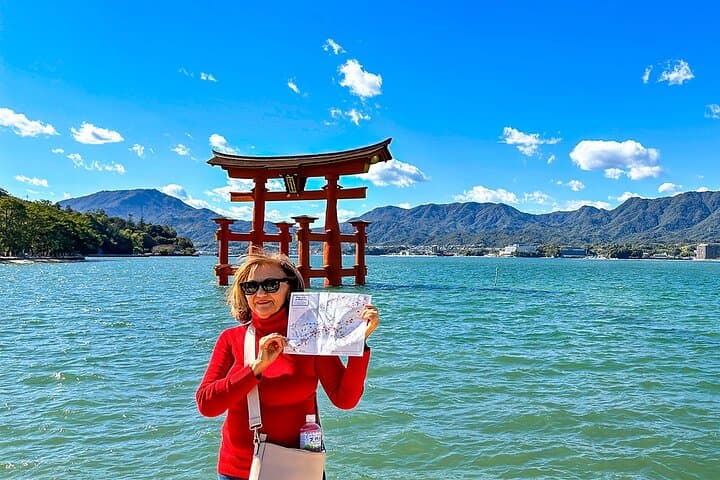
Morning light spills across Tokyo’s streets as your English-speaking guide meets the group at Kayabacho; the city hums and the trip’s rhythm begins with a train ticket and a strong cup of coffee. You move from neon avenues to the hush of Meiji Jingu’s cedar grove, then outward—Hakone’s ropeway climbs, Owakudani’s steam pushes the air, and Lake Ashi opens like a page where Mt. Fuji keeps watch.
Morning light spills across Tokyo’s streets as your English-speaking guide meets the group at Kayabacho; the city hums and the trip’s rhythm begins with a train ticket and a strong cup of coffee. You move from neon avenues to the hush of Meiji Jingu’s cedar grove, then outward—Hakone’s ropeway climbs, Owakudani’s steam pushes the air, and Lake Ashi opens like a page where Mt. Fuji keeps watch.
This itinerary stitches together Japan’s layered history: Tokyo’s postwar growth and Edo-era temples, Kyoto’s Heian-period palaces and Zen gardens, Nara’s 8th-century Buddhist legacy, and the Gassho-zukuri farmhouses of Shirakawa-go shaped by heavy snows. Geology shows up in Hakone—volcanic vents that still exhale sulfur—and in the Kanto and Noto coastlines carved by tectonic motion.
Culturally the tour balances urban energy and quiet ritual: shrine etiquette, omikuji fortune slips, and the polite economy of local markets. Expect efficient public transport—bullet trains and local lines—with several uphill walks (Fushimi Inari’s shrine trail climbs to ~233 m; Hakone’s Gora station sits at ~533 m) and uneven surfaces in historic districts.
Practical guidance: bring sturdy walking shoes, a light rain layer and a small daypack for city strolls and mountain gondolas; carry some cash for small vendors and shrine offerings; aim for clear mornings to see Mt. Fuji; hydrate and pace yourself on days with multiple transfers. The small-group size (max 6) trims logistics friction but plan for stairs, crowded temples, and occasional sulfur odor in Owakudani. With basic fitness and a flexible attitude, this loop across Japan delivers concentrated culture, dramatic landscapes, and hands-on encounters with local life.