THE ADVENTURE COLLECTIVE® · Independent discovery and booking for outdoor travel

A private day trip brings travelers from Marrakech to Essaouira’s wind-swept port, UNESCO medina and surf-ready beaches. Expect a 2.5–3 hour drive, a fish-market visit, lunch by the sea and time to explore artisan souks and argan groves.
A private day trip brings travelers from Marrakech to Essaouira’s wind-swept port, UNESCO medina and surf-ready beaches. Expect a 2.5–3 hour drive, a fish-market visit, lunch by the sea and time to explore artisan souks and argan groves.
A cool Atlantic wind meets the windows as the private vehicle rolls onto the coastal road — Essaouira appears as low ramparts, whitewashed houses and a busy port framed by bronze-blue sea. The town’s breeze is the first thing visitors notice; it defines the day, pushing sails and drying salt onto clothing while fishermen sort morning catches at the market.
Verified experiences and guided adventures in the surrounding area.
Operated by AGtours · Essaouira, Marrakesh-Safi
A cool Atlantic wind meets the windows as the private vehicle rolls onto the coastal road — Essaouira appears as low ramparts, whitewashed houses and a busy port framed by bronze-blue sea. The town’s breeze is the first thing visitors notice; it defines the day, pushing sails and drying salt onto clothing while fishermen sort morning catches at the market.
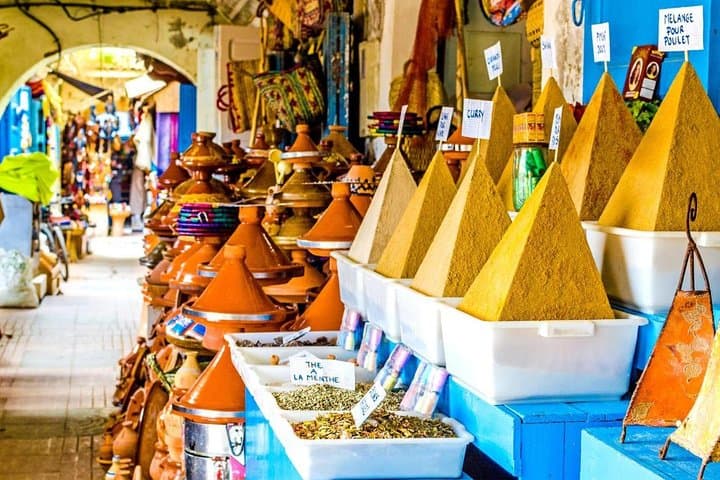
Essaouira’s ramparts date to the 16th-century Portuguese presence, and the medina’s compact street plan reflects centuries of trade between Africa and Europe. The bay sits on a geologic seam of exposed Atlantic coast and sand-plastered cliffs, with argan groves inland that produce the region’s famous oil. Culturally, the city carries a strong musical identity — Gnaoua rhythms pulse in small cafés near the Skala while local artisans work thuya wood, leather and copper in narrow souk alleys.
Visitors on a private day trip will typically stop at Sidi Al Mokhtar, watch the fish market, walk the port ramparts and cross the UNESCO-listed medina. Expect windy conditions suitable for windsurfing and kitesurfing; many travelers rent equipment or watch lessons from the beach.
Practicalities: plan for about 2.5–3 hours driving each way from Marrakech, comfortable footwear for cobbles and stairs, and layered clothing for sharp wind and sun. Lunch by the sea is usually included; bring local currency for drinks or purchases. Allow time to browse small galleries and an argan co-op; the winds that challenge you on the beach also make Essaouira one of Morocco’s most memorable coastal days.
easy.
8–11 hours.
Light fitness: able to walk short distances on uneven cobbles and stand on beaches; no strenuous hiking required.
Expect roughly 2.5–3 hours each way on good roads; total trip time depends on stops and traffic.
Yes — the consistent winds make it ideal for lessons and rentals; choose a school with certified instructors for beginners.
Many streets in the medina are cobbled and narrow; the tour notes wheelchair-accessible transport and some accessible areas, but access inside older medina streets may be limited.
Typical inclusions are private transport, lunch, and a multilingual guide; drinks and optional activities like equipment rental are usually extra.
Essaouira’s coastal fortifications reflect 16th–18th century Portuguese and later European maritime influence; the medina is a UNESCO World Heritage site.
Argan tree groves are managed by local cooperatives; visitors can support sustainable harvest practices by buying certified argan oil and respecting coastal areas.
AGtours operates guided outdoor trips and adventures with an emphasis on safety, stewardship, and memorable experiences.
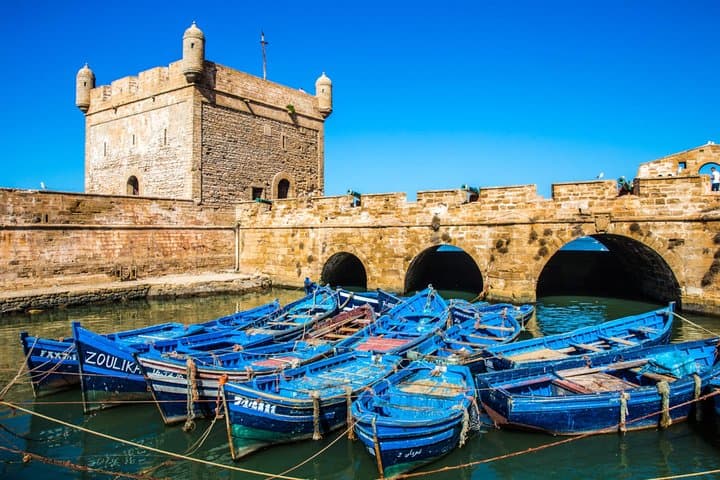
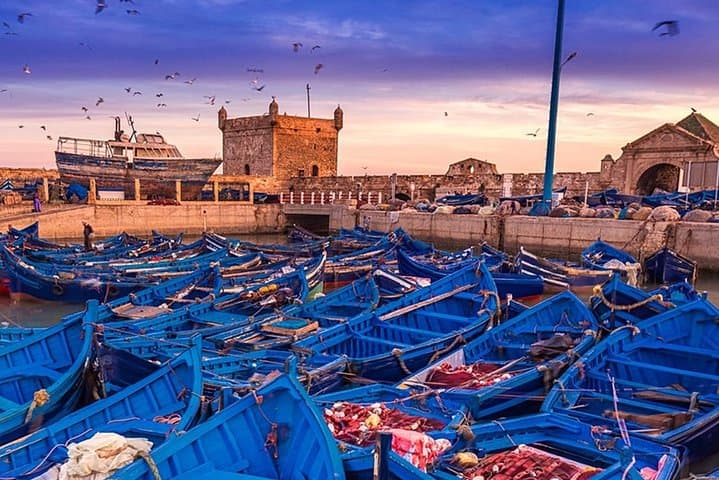
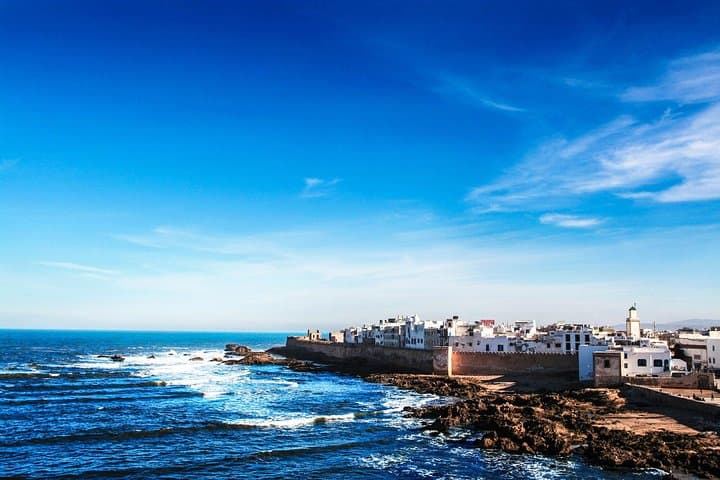
A cool Atlantic wind meets the windows as the private vehicle rolls onto the coastal road — Essaouira appears as low ramparts, whitewashed houses and a busy port framed by bronze-blue sea. The town’s breeze is the first thing visitors notice; it defines the day, pushing sails and drying salt onto clothing while fishermen sort morning catches at the market.
A cool Atlantic wind meets the windows as the private vehicle rolls onto the coastal road — Essaouira appears as low ramparts, whitewashed houses and a busy port framed by bronze-blue sea. The town’s breeze is the first thing visitors notice; it defines the day, pushing sails and drying salt onto clothing while fishermen sort morning catches at the market.
Essaouira’s ramparts date to the 16th-century Portuguese presence, and the medina’s compact street plan reflects centuries of trade between Africa and Europe. The bay sits on a geologic seam of exposed Atlantic coast and sand-plastered cliffs, with argan groves inland that produce the region’s famous oil. Culturally, the city carries a strong musical identity — Gnaoua rhythms pulse in small cafés near the Skala while local artisans work thuya wood, leather and copper in narrow souk alleys.
Visitors on a private day trip will typically stop at Sidi Al Mokhtar, watch the fish market, walk the port ramparts and cross the UNESCO-listed medina. Expect windy conditions suitable for windsurfing and kitesurfing; many travelers rent equipment or watch lessons from the beach.
Practicalities: plan for about 2.5–3 hours driving each way from Marrakech, comfortable footwear for cobbles and stairs, and layered clothing for sharp wind and sun. Lunch by the sea is usually included; bring local currency for drinks or purchases. Allow time to browse small galleries and an argan co-op; the winds that challenge you on the beach also make Essaouira one of Morocco’s most memorable coastal days.