THE ADVENTURE COLLECTIVE® · Independent discovery and booking for outdoor travel

Explore Essaouira’s wind-swept medina on a private 3.5-hour walking tour that blends seafood tasting, fortress views and local art. Ideal for travelers who want a compact, sensory introduction to the city's history and culture.
Explore Essaouira’s wind-swept medina on a private 3.5-hour walking tour that blends seafood tasting, fortress views and local art. Ideal for travelers who want a compact, sensory introduction to the city's history and culture.
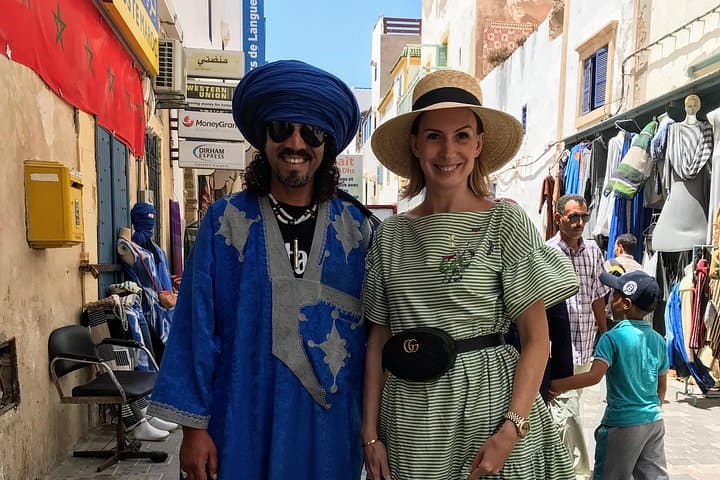
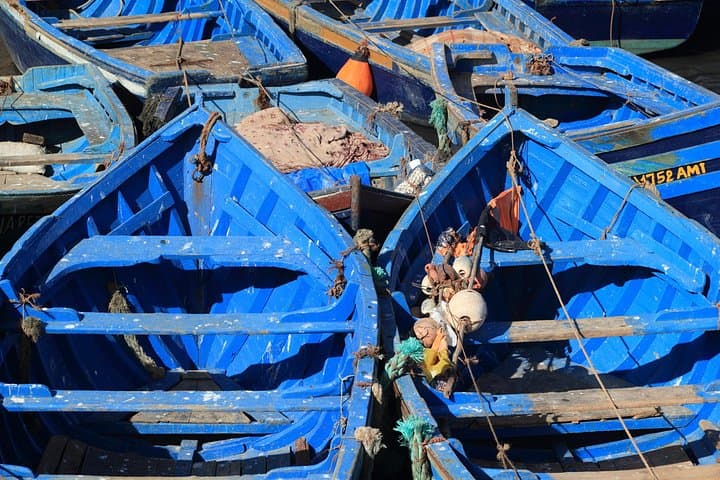
On a wind‑scoured morning in Essaouira, gulls wheel above the old harbour and briny spray salts the air as you step through the medina's low stone gate. Cobbled alleys unfold toward blue‑washed houses, musicians practice outside workshops, and the Atlantic pushes a steady, audible rhythm against the ramparts.
Verified experiences and guided adventures in the surrounding area.
Operated by Snurk.Travel · Essaouira, Marrakesh-Safi
On a wind‑scoured morning in Essaouira, gulls wheel above the old harbour and briny spray salts the air as you step through the medina's low stone gate. Cobbled alleys unfold toward blue‑washed houses, musicians practice outside workshops, and the Atlantic pushes a steady, audible rhythm against the ramparts.
Historically known as Mogador, Essaouira's port has been a crossroads of Berber, Portuguese, Jewish and European influence since the 16th century; its thick stone walls and cannon‑lined bastions speak to an era of trade and conflict. Geologically the town sits on a flat coastal shelf where wind and sand shape low dunes; argan trees and scrub rise inland. Culture here is pragmatic and performative — Gnawa musicians, painters and craftsmen work openly, and film crews have repeatedly used the city’s cinematic alleys.
This three‑and‑a‑half hour private walking tour moves at an easy pace: sampling oysters and sea urchins at the harbour, climbing fortress walls for panoramic views, visiting the Royal and Jewish quarters and stopping at galleries and antique shops. Expect sensory contrasts — the fish market's sharp salt and seaweed scent, the cool stone of synagogues, the dry pull of Atlantic wind.
Practical notes: wear sturdy walking shoes and sun protection, carry cash for market purchases, and bring a light wind layer. Morning or late afternoon offers softer light and gentler breezes. The tour is suitable for most fitness levels and works well for travelers who want focused local stories, food tasting and a compact orientation to Essaouira.
easy.
3–4 hours.
Suitable for most fitness levels; involves walking on cobbles and short stair sections.
The itinerary is approximately 3.5 hours (210 minutes) and runs at an easy, conversational pace.
The tour itinerary includes visits to harbour stalls for oysters, sea urchins and other seafood tastings; confirm whether specific samples are included or pay-as-you-go with the operator.
Yes—this is rated easy and suitable for most fitness levels, though cobbles and short stair sections may require attention.
Pickup policies vary; the booking may ask for a pickup point—confirm availability and meeting details with the operator when booking.
Formerly called Mogador, Essaouira’s fortified port was shaped by Portuguese and later Moroccan planning and became an international trading hub with a distinct Jewish quarter.
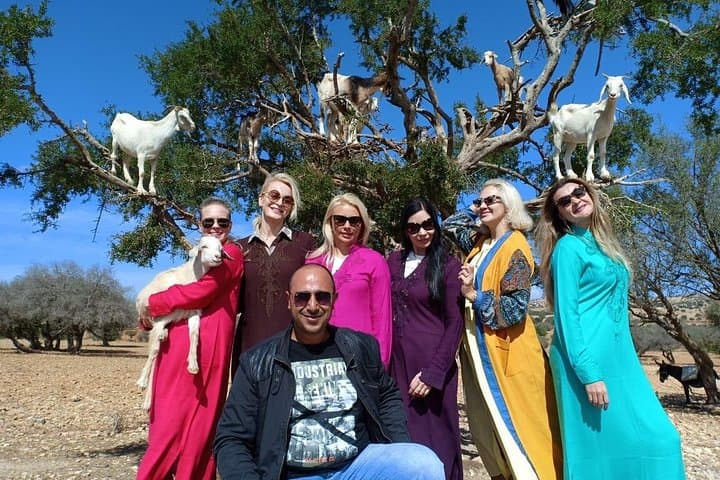
Argan trees are regionally important and local cooperatives help protect them; visitors should support responsible vendors and avoid disturbing fragile dune and argan habitats.
Snurk.Travel operates guided outdoor trips and adventures with an emphasis on safety, stewardship, and memorable experiences.
On a wind‑scoured morning in Essaouira, gulls wheel above the old harbour and briny spray salts the air as you step through the medina's low stone gate. Cobbled alleys unfold toward blue‑washed houses, musicians practice outside workshops, and the Atlantic pushes a steady, audible rhythm against the ramparts.
On a wind‑scoured morning in Essaouira, gulls wheel above the old harbour and briny spray salts the air as you step through the medina's low stone gate. Cobbled alleys unfold toward blue‑washed houses, musicians practice outside workshops, and the Atlantic pushes a steady, audible rhythm against the ramparts.
Historically known as Mogador, Essaouira's port has been a crossroads of Berber, Portuguese, Jewish and European influence since the 16th century; its thick stone walls and cannon‑lined bastions speak to an era of trade and conflict. Geologically the town sits on a flat coastal shelf where wind and sand shape low dunes; argan trees and scrub rise inland. Culture here is pragmatic and performative — Gnawa musicians, painters and craftsmen work openly, and film crews have repeatedly used the city’s cinematic alleys.
This three‑and‑a‑half hour private walking tour moves at an easy pace: sampling oysters and sea urchins at the harbour, climbing fortress walls for panoramic views, visiting the Royal and Jewish quarters and stopping at galleries and antique shops. Expect sensory contrasts — the fish market's sharp salt and seaweed scent, the cool stone of synagogues, the dry pull of Atlantic wind.
Practical notes: wear sturdy walking shoes and sun protection, carry cash for market purchases, and bring a light wind layer. Morning or late afternoon offers softer light and gentler breezes. The tour is suitable for most fitness levels and works well for travelers who want focused local stories, food tasting and a compact orientation to Essaouira.