THE ADVENTURE COLLECTIVE® · Independent discovery and booking for outdoor travel

Skip the bus and take a private, air-conditioned transfer from Essaouira to Marrakech. Expect a roughly 3‑hour coastal-to-inland drive past argan trees, roadside cooperatives, and sweeping plains—ideal when you want comfort and flexibility between two very different Moroccan cities.
Skip the bus and take a private, air-conditioned transfer from Essaouira to Marrakech. Expect a roughly 3‑hour coastal-to-inland drive past argan trees, roadside cooperatives, and sweeping plains—ideal when you want comfort and flexibility between two very different Moroccan cities.
You step out of Essaouira’s harbor air—salt and wind, the Atlantic tugging at your collar—and slide into an air-conditioned car that will carry you inland toward Marrakech. The coast recedes, argan trees lean like old storytellers, and the road unfolds across the Haouz plain toward the ochre rim of the High Atlas. The landscape feels purposeful: the wind dares you to look back as the plain pushes you forward.
Verified experiences and guided adventures in the surrounding area.
Operated by Morocco Activities Outdoors · Essaouira, Marrakesh-Safi
You step out of Essaouira’s harbor air—salt and wind, the Atlantic tugging at your collar—and slide into an air-conditioned car that will carry you inland toward Marrakech. The coast recedes, argan trees lean like old storytellers, and the road unfolds across the Haouz plain toward the ochre rim of the High Atlas. The landscape feels purposeful: the wind dares you to look back as the plain pushes you forward.
Essaouira, formerly Mogador, is an 18th-century fortified port with a fishing rhythm that contrasts Marrakech’s imperial pulse—red city walls, markets, and a complicated medina history. Geologically, the route drops from Atlantic coastal plains into alluvial terraces, skirting low hills dotted with argan and olive trees; you pass small villages where local cooperatives press argan oil and roadside goats climb branches with stubborn balance.
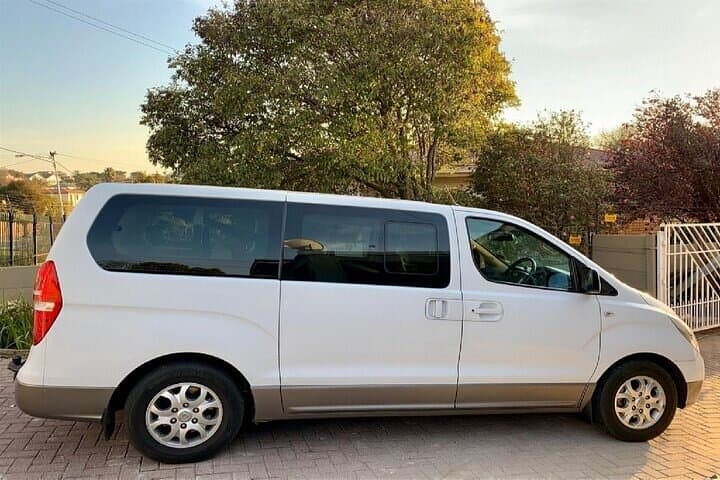
Practically, expect about 2.5–3 hours on the road for roughly 190 km depending on traffic. The service is private and door-to-door: drivers handle luggage, the vehicle is air-conditioned, and infant seats are available on request. Time your transfer to avoid rush hour in Marrakech and the late-afternoon winds near Essaouira; mornings are calmer. Carry water, layers for changing temperatures between coast and inland, and a charged phone for photos and navigation. If you want a short stop, ask your driver—many accommodate a quick coffee, a cooperative visit, or a viewpoint stretch.
This transfer is a functional, scenic link between two distinct Moroccan experiences—coastal breeze and desert-hued city—best approached with simple planning, respectful curiosity, and a readiness to step into the medina once the city walls appear.
easy.
2.5–3 hours.
Minimal fitness required; able to sit comfortably for up to three hours
Typical door-to-door time is about 2.5–3 hours for roughly 190 km, depending on traffic and road conditions.
Yes—private transfers often allow short stops for restrooms, refreshments, or a brief visit to an argan cooperative; confirm when booking.
Infant and booster seats are available if requested in advance—include this in your booking details.
Full refund if cancelled at least 24 hours before departure; no refund within 24 hours of the scheduled time.
The route links Essaouira—an 18th-century fortified Atlantic port once called Mogador—to Marrakech, the historic imperial city and market hub; villages along the way have long histories of argan and olive cultivation.
Argan forests are protected and many cooperatives are women-led; support local producers and minimize disturbance to groves and roadside habitats.
Morocco Activities Outdoors operates guided outdoor trips and adventures with an emphasis on safety, stewardship, and memorable experiences.
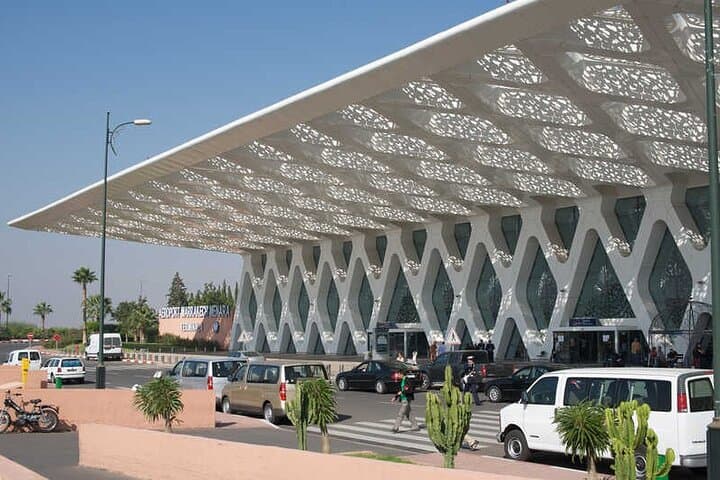
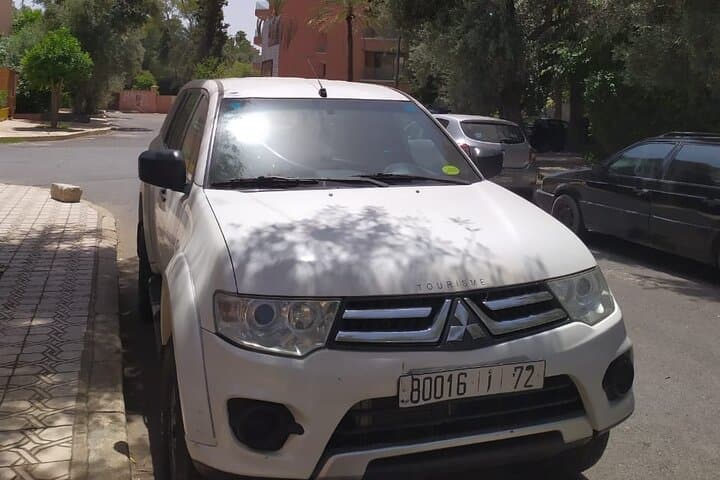

You step out of Essaouira’s harbor air—salt and wind, the Atlantic tugging at your collar—and slide into an air-conditioned car that will carry you inland toward Marrakech. The coast recedes, argan trees lean like old storytellers, and the road unfolds across the Haouz plain toward the ochre rim of the High Atlas. The landscape feels purposeful: the wind dares you to look back as the plain pushes you forward.
You step out of Essaouira’s harbor air—salt and wind, the Atlantic tugging at your collar—and slide into an air-conditioned car that will carry you inland toward Marrakech. The coast recedes, argan trees lean like old storytellers, and the road unfolds across the Haouz plain toward the ochre rim of the High Atlas. The landscape feels purposeful: the wind dares you to look back as the plain pushes you forward.
Essaouira, formerly Mogador, is an 18th-century fortified port with a fishing rhythm that contrasts Marrakech’s imperial pulse—red city walls, markets, and a complicated medina history. Geologically, the route drops from Atlantic coastal plains into alluvial terraces, skirting low hills dotted with argan and olive trees; you pass small villages where local cooperatives press argan oil and roadside goats climb branches with stubborn balance.
Practically, expect about 2.5–3 hours on the road for roughly 190 km depending on traffic. The service is private and door-to-door: drivers handle luggage, the vehicle is air-conditioned, and infant seats are available on request. Time your transfer to avoid rush hour in Marrakech and the late-afternoon winds near Essaouira; mornings are calmer. Carry water, layers for changing temperatures between coast and inland, and a charged phone for photos and navigation. If you want a short stop, ask your driver—many accommodate a quick coffee, a cooperative visit, or a viewpoint stretch.
This transfer is a functional, scenic link between two distinct Moroccan experiences—coastal breeze and desert-hued city—best approached with simple planning, respectful curiosity, and a readiness to step into the medina once the city walls appear.