THE ADVENTURE COLLECTIVE® · Independent discovery and booking for outdoor travel

Feel the Atlantic wind on a day trip from Marrakech to Essaouira: a UNESCO medina, fishing harbor, artisan workshops, beach rides and live Gnawa music—all in a single immersive coastal day.
Feel the Atlantic wind on a day trip from Marrakech to Essaouira: a UNESCO medina, fishing harbor, artisan workshops, beach rides and live Gnawa music—all in a single immersive coastal day.
You arrive with salt on your lips and wind in your hair: Essaouira’s ramparts step out into the Atlantic, their cannons pointing at an open sea that has long pushed ships and ideas ashore.
Verified experiences and guided adventures in the surrounding area.
Operated by MTB Morocco · Essaouira, Marrakesh-Safi
You arrive with salt on your lips and wind in your hair: Essaouira’s ramparts step out into the Atlantic, their cannons pointing at an open sea that has long pushed ships and ideas ashore.
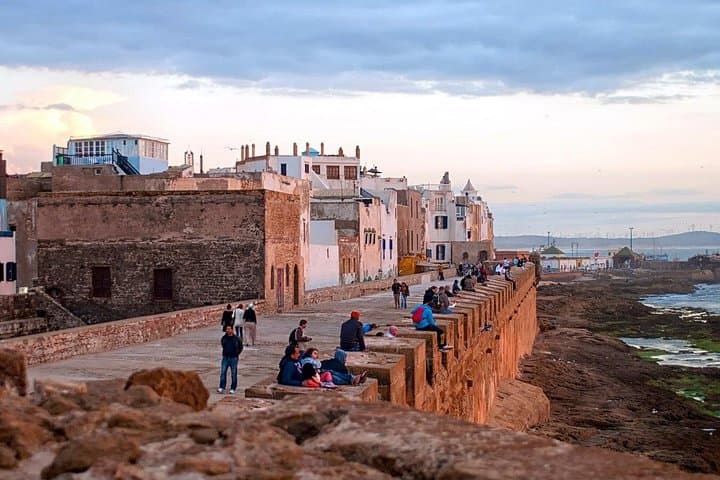
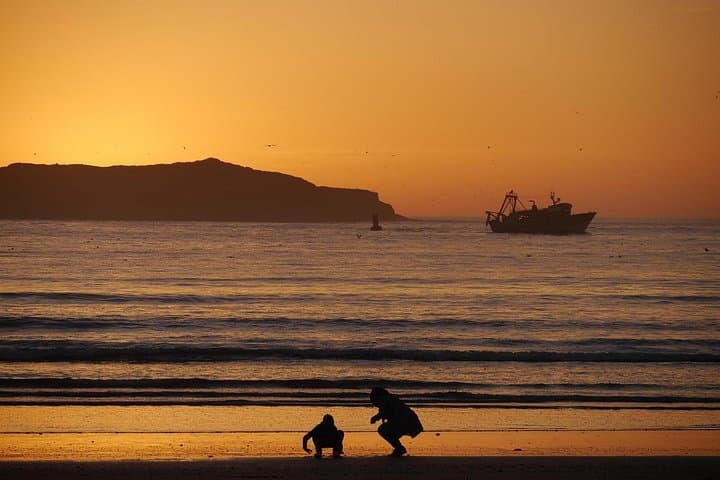
This day trip delivers coastal skies, a living medina and the steady presence of the ocean. The town—formerly Mogador—was redesigned in the 18th century with European-style fortifications; its Skala de la Ville offers broad views across ochre stone and scattered fishing boats. Geologically the coast is a flat Atlantic shelf with broad sandy beaches; the winds that define the town are trade breezes that sculpt dunes and fuel Essaouira’s kitesurf culture.
Culture comes fast: a UNESCO-listed medina of narrow alleys, thuya-wood workshops, argan cooperatives and a harbor where fishermen sort the day’s catch. Gnawa music—deep, rhythmic and communal—still threads through evenings here. Small-group tours often include demonstrations of argan oil pressing and visits to family-run artisan shops off the main tourist lanes.
Practical guidance: expect an 8–10 hour day (about 175 km / ~2.5–3 hours each way from Marrakech). Terrain is urban and beach walking—cobbles, narrow steps and soft sand—so bring sturdy shoes and a windproof layer. Carry cash for small purchases, wear sun protection and plan to keep valuables secure in crowded souks. Camel or horse rides on the beach are available locally and usually cost extra. Aim to arrive mid-morning to see the medina before peak wind and to catch golden light on the ramparts for photographs.
easy.
8 hours.
Light walking fitness is sufficient; you should be able to manage several hours of standing and short walks over cobbles and sand.
The drive is roughly 175 km and typically takes about 2.5–3 hours each way depending on traffic and stops.
The tour includes some local tastings and stops at recommended restaurants, but full meals are generally not included—expect to pay for lunch or additional food.
Camel and horse rides are offered locally and are usually optional extras booked on the spot and paid directly to providers.
Yes—this experience is rated easy and family-friendly; infants must sit on laps but specialized infant seats are available for the vehicle.
Essaouira (formerly Mogador) was rebuilt in the 18th century with European military engineers and later became a strategic trading port linking Morocco with Europe and sub-Saharan Africa.
Support local argan cooperatives that practice sustainable harvesting, avoid buying products with unclear sourcing, and stick to marked paths to protect dunes and shoreline habitats.
MTB Morocco operates guided outdoor trips and adventures with an emphasis on safety, stewardship, and memorable experiences.
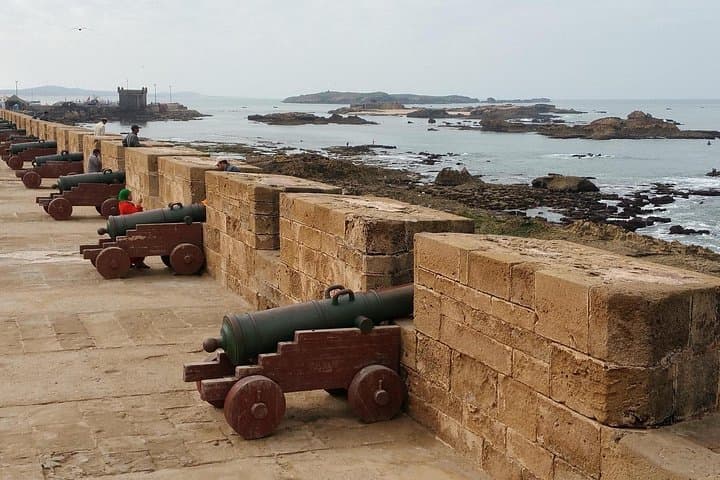
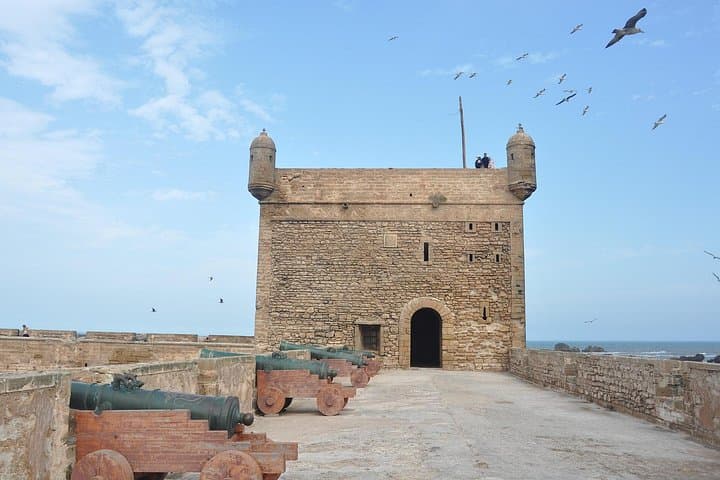
You arrive with salt on your lips and wind in your hair: Essaouira’s ramparts step out into the Atlantic, their cannons pointing at an open sea that has long pushed ships and ideas ashore.
You arrive with salt on your lips and wind in your hair: Essaouira’s ramparts step out into the Atlantic, their cannons pointing at an open sea that has long pushed ships and ideas ashore.
This day trip delivers coastal skies, a living medina and the steady presence of the ocean. The town—formerly Mogador—was redesigned in the 18th century with European-style fortifications; its Skala de la Ville offers broad views across ochre stone and scattered fishing boats. Geologically the coast is a flat Atlantic shelf with broad sandy beaches; the winds that define the town are trade breezes that sculpt dunes and fuel Essaouira’s kitesurf culture.
Culture comes fast: a UNESCO-listed medina of narrow alleys, thuya-wood workshops, argan cooperatives and a harbor where fishermen sort the day’s catch. Gnawa music—deep, rhythmic and communal—still threads through evenings here. Small-group tours often include demonstrations of argan oil pressing and visits to family-run artisan shops off the main tourist lanes.
Practical guidance: expect an 8–10 hour day (about 175 km / ~2.5–3 hours each way from Marrakech). Terrain is urban and beach walking—cobbles, narrow steps and soft sand—so bring sturdy shoes and a windproof layer. Carry cash for small purchases, wear sun protection and plan to keep valuables secure in crowded souks. Camel or horse rides on the beach are available locally and usually cost extra. Aim to arrive mid-morning to see the medina before peak wind and to catch golden light on the ramparts for photographs.