THE ADVENTURE COLLECTIVE® · Independent discovery and booking for outdoor travel

A long day where the Atlantic wind meets fortified ramparts: this private tour from Casablanca drops you into Essaouira’s UNESCO-listed medina, fresh seafood and broad sandy beaches. Expect a 13–14 hour day with about four hours of driving each way and plenty of time to explore the port, souks and coastline.
A long day where the Atlantic wind meets fortified ramparts: this private tour from Casablanca drops you into Essaouira’s UNESCO-listed medina, fresh seafood and broad sandy beaches. Expect a 13–14 hour day with about four hours of driving each way and plenty of time to explore the port, souks and coastline.
You arrive with the Atlantic wind at your face and a gull rides the same current, pushing you toward Essaouira’s low stone ramparts.
Verified experiences and guided adventures in the surrounding area.
Operated by Safari Desert Tours · Essaouira, Marrakech-Safi
You arrive with the Atlantic wind at your face and a gull rides the same current, pushing you toward Essaouira’s low stone ramparts.
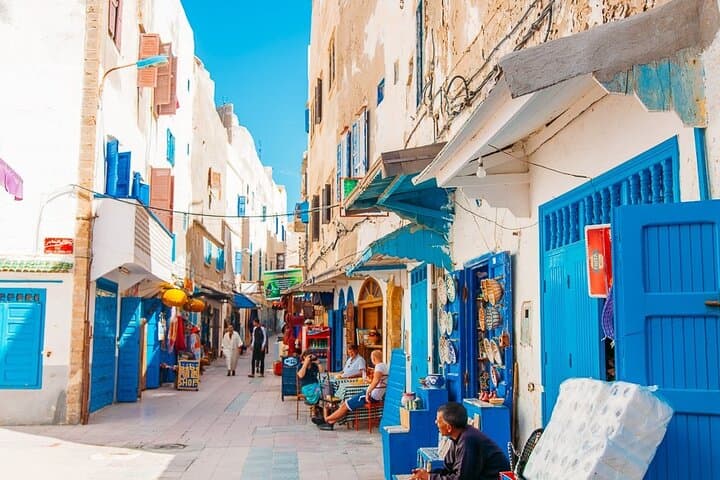
The town opens as a living map: whitewashed houses, cobalt shutters and long sandstone walls built in the late 18th century when European military design met North African seafaring. Portuguese foundations, Ottoman-era trading routes and an 18th-century plan designed to move goods to and from the Sahara make Essaouira a UNESCO-listed port town with a layered history.
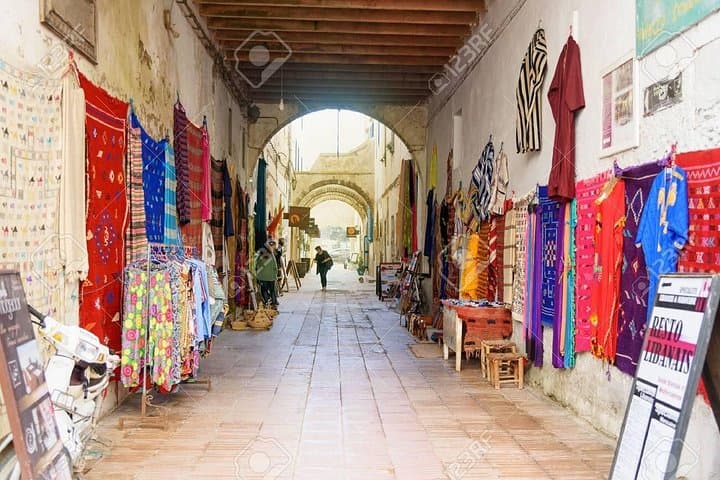
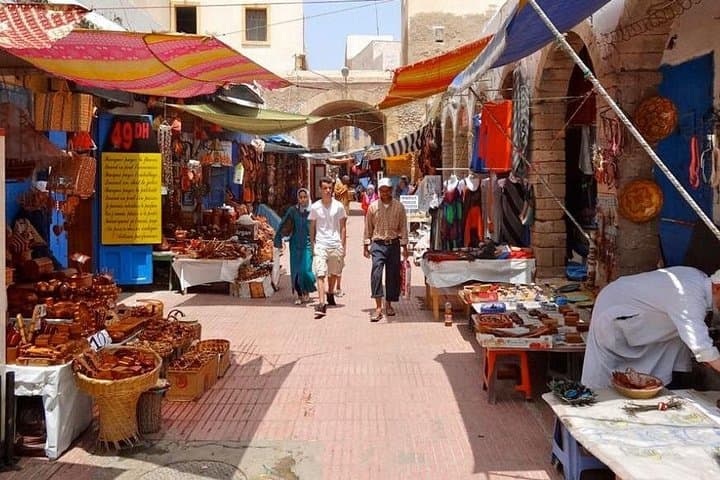
Geologically the coast is a flat shelf of sedimentary rock and sand—no climbs, only easy promenades, wind-scoured beaches and cobbled medina alleys. Culture here is tactile: fish markets that steam of heat and lemon, brass shops, and the slow pluck of gnawa music spilling from cafés. Offshore, the Atlantic often plays host to dolphins; seabirds claim the sky.
Practical guidance: expect roughly 4 hours’ drive each way from Casablanca (about 360–370 km one way), with a full-day tour lasting 13–14 hours. Bring solid walking shoes for cobbles, a windbreaker for the relentless coastal gusts, sun protection and small bills for souks and seafood stalls. You’ll move between paved roads, sandy beaches and narrow alleys—no significant elevation gain.
Timing matters: start early to beat traffic, use the mid-afternoon window for a seaside lunch of grilled fish, and keep a flexible schedule if you want extra time at the ramparts or the fish market. The town’s wind dares you to stay longer; the driver gets you home.
moderate.
13–14 hours.
Moderate — comfortable walking ability and tolerance for a long day on the road are recommended
Expect about 3.5–4 hours each way depending on traffic and route; the itinerary schedules a full day (13–14 hours) including transfers and time in Essaouira.
Bottled water is provided, but meals are usually not included—your guide can recommend local seafood restaurants where you can buy lunch.
Yes—there’s time allocated for the beach, but currents can be strong; swim cautiously and avoid going far from shore.
Private tours often allow flexibility—ask before booking if you want extra time at the medina, ramparts, or certain museums.
Founded as a fortified 18th-century port with Portuguese and European influences, Essaouira grew as a trade hub linking Morocco’s hinterland to Europe.
Respect local regulations around the medina and avoid buying coral or endangered marine products; reduce single-use plastic and support small, responsible vendors.
Safari Desert Tours operates guided outdoor trips and adventures with an emphasis on safety, stewardship, and memorable experiences.
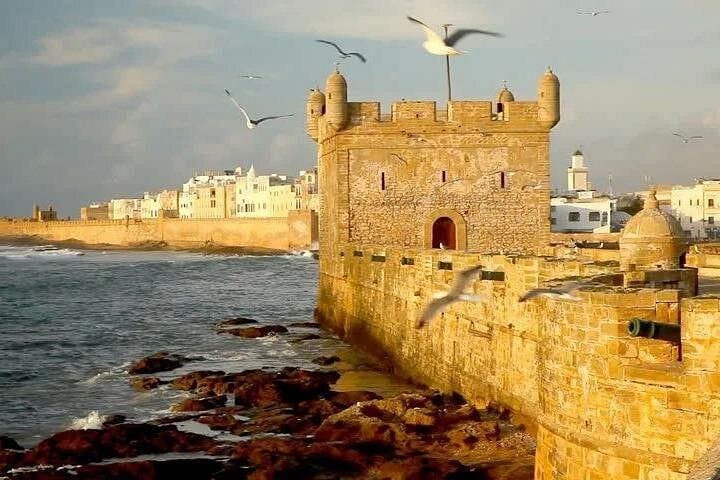
You arrive with the Atlantic wind at your face and a gull rides the same current, pushing you toward Essaouira’s low stone ramparts.
You arrive with the Atlantic wind at your face and a gull rides the same current, pushing you toward Essaouira’s low stone ramparts.
The town opens as a living map: whitewashed houses, cobalt shutters and long sandstone walls built in the late 18th century when European military design met North African seafaring. Portuguese foundations, Ottoman-era trading routes and an 18th-century plan designed to move goods to and from the Sahara make Essaouira a UNESCO-listed port town with a layered history.
Geologically the coast is a flat shelf of sedimentary rock and sand—no climbs, only easy promenades, wind-scoured beaches and cobbled medina alleys. Culture here is tactile: fish markets that steam of heat and lemon, brass shops, and the slow pluck of gnawa music spilling from cafés. Offshore, the Atlantic often plays host to dolphins; seabirds claim the sky.
Practical guidance: expect roughly 4 hours’ drive each way from Casablanca (about 360–370 km one way), with a full-day tour lasting 13–14 hours. Bring solid walking shoes for cobbles, a windbreaker for the relentless coastal gusts, sun protection and small bills for souks and seafood stalls. You’ll move between paved roads, sandy beaches and narrow alleys—no significant elevation gain.
Timing matters: start early to beat traffic, use the mid-afternoon window for a seaside lunch of grilled fish, and keep a flexible schedule if you want extra time at the ramparts or the fish market. The town’s wind dares you to stay longer; the driver gets you home.