THE ADVENTURE COLLECTIVE® · Independent discovery and booking for outdoor travel

A full-day private drive from Marrakech to Essaouira delivers wind-swept ramparts, argan cooperatives and fresh seafood at the bustling port. Expect a 10-hour outing with photo stops, a cooperative visit, and time to explore the medina on foot.
A full-day private drive from Marrakech to Essaouira delivers wind-swept ramparts, argan cooperatives and fresh seafood at the bustling port. Expect a 10-hour outing with photo stops, a cooperative visit, and time to explore the medina on foot.
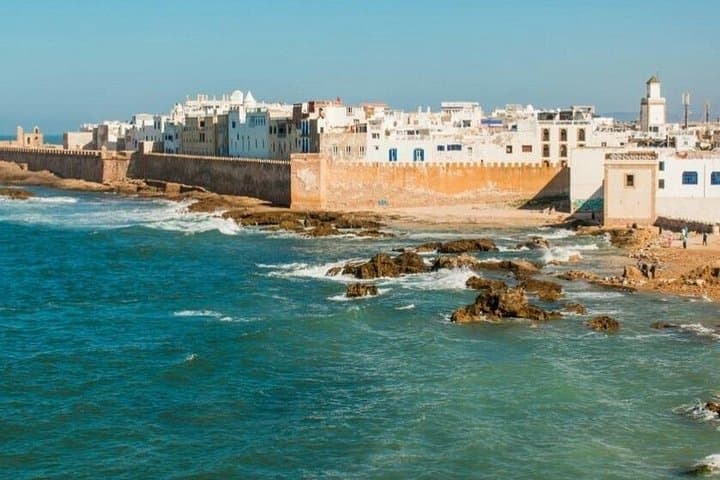
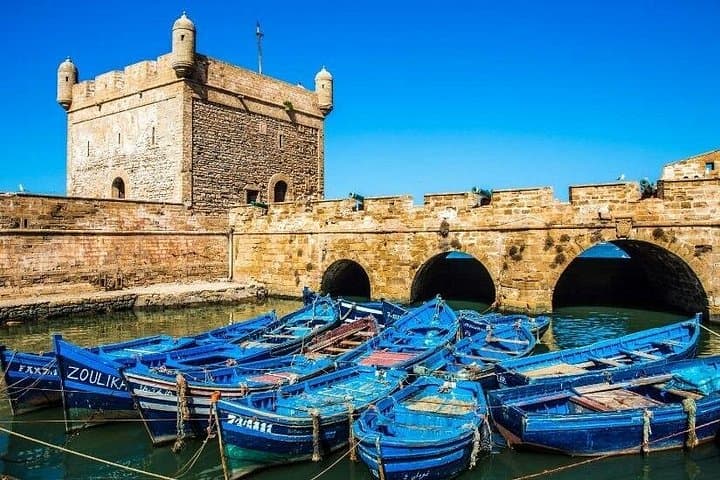
The road opens to wind and salt: takeoff from Marrakech unfolds across ochre plains and low hills, then the Atlantic appears as a flat, cool horizon. By mid-morning you’re walking beneath whitewashed walls and cannon-lined ramparts, gulls sizing you up as the port pulls you toward rows of smoking grills and net-strewn boats.
Verified experiences and guided adventures in the surrounding area.
Operated by Marrakesh-trip · Essaouira, Marrakech-Safi
The road opens to wind and salt: takeoff from Marrakech unfolds across ochre plains and low hills, then the Atlantic appears as a flat, cool horizon. By mid-morning you’re walking beneath whitewashed walls and cannon-lined ramparts, gulls sizing you up as the port pulls you toward rows of smoking grills and net-strewn boats.
Essaouira’s compact medina (formerly Mogador) carries clear layers of history—Portuguese fortifications from the 16th century, 18th‑century European-influenced urban planning under Sultan Mohammed ben Abdallah, and a Jewish mellah that speaks to the city’s multicultural trade roots. The coast’s geology is simple and honest: sand and low cliffs shaped by strong Atlantic winds, the Canary Current cooling the shoreline and making Essaouira one of Morocco’s windiest towns.
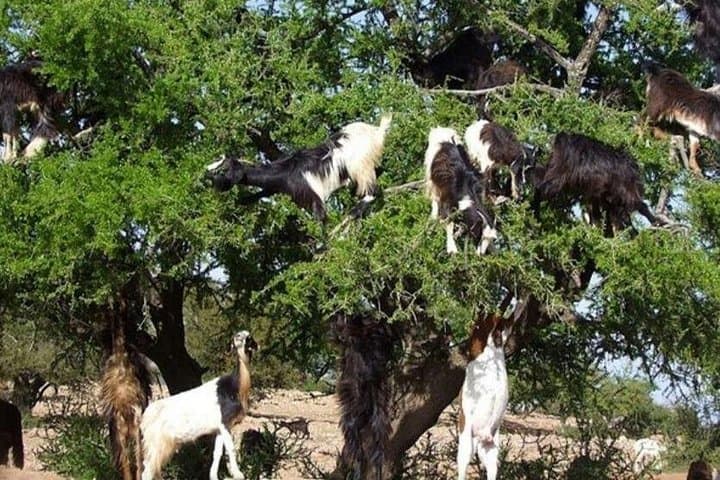
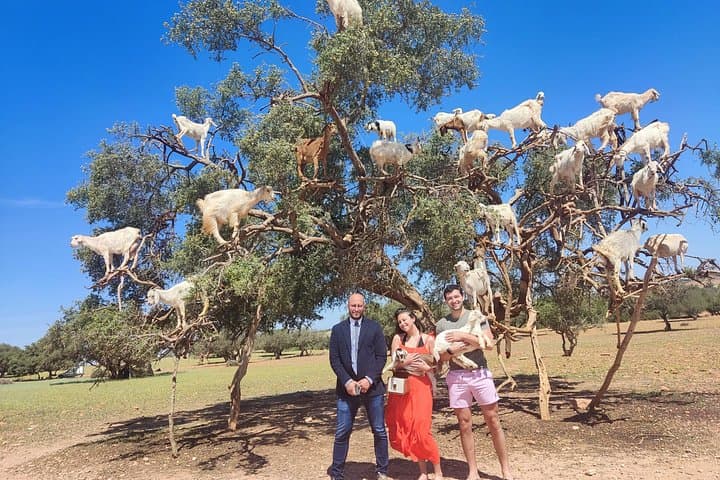
Culture here orients around the sea and the argan tree. You’ll likely stop at a women’s cooperative to see traditional argan oil pressing and meet locals who still harvest the thorny fruit. Back at the port, fishmongers shout prices and craftsmen carve thuya wood under tarps.
Practical guidance: expect a roughly 2.5–3 hour drive each way from Marrakech, so plan for a full day and leave early to beat the crowds. Dress in layers and bring a windproof jacket; the afternoon breeze can be sharp. Carry cash (local dirham) for small purchases and tipping. Allow time for a market stroll, a cooperative visit, and a leisurely seafood lunch at the quay. Respect private spaces in the medina and ask before photographing people. This private day excursion compresses history, coastal geology and hands-on cultural encounters into a single disciplined, highly accessible day by the sea.
easy.
9–10 hours.
Suitable for most fitness levels; involves walking on uneven medina streets and short stair sections.
Expect roughly 2.5–3 hours each way depending on traffic; most operators schedule a 10-hour private day to allow time in town.
The excursion is listed as accessible and the vehicle is air-conditioned, but the medina has uneven streets and some steps—wheelchair users may need assistance at certain sites.
Lunch is typically at the port where you can order freshly grilled fish; confirm whether a specific meal is included when booking.
Yes—visits to a women’s argan cooperative are commonly included and offer a demonstration of traditional extraction methods.
Essaouira (formerly Mogador) bears Portuguese-built bastions from the 1500s and was redesigned into a planned port city in the 18th century under Sultan Mohammed ben Abdallah.
The argan woodlands in the region are ecologically important and subject to conservation efforts; support fair-trade cooperatives and avoid single-use plastics while visiting.
Marrakesh-trip operates guided outdoor trips and adventures with an emphasis on safety, stewardship, and memorable experiences.
The road opens to wind and salt: takeoff from Marrakech unfolds across ochre plains and low hills, then the Atlantic appears as a flat, cool horizon. By mid-morning you’re walking beneath whitewashed walls and cannon-lined ramparts, gulls sizing you up as the port pulls you toward rows of smoking grills and net-strewn boats.
The road opens to wind and salt: takeoff from Marrakech unfolds across ochre plains and low hills, then the Atlantic appears as a flat, cool horizon. By mid-morning you’re walking beneath whitewashed walls and cannon-lined ramparts, gulls sizing you up as the port pulls you toward rows of smoking grills and net-strewn boats.
Essaouira’s compact medina (formerly Mogador) carries clear layers of history—Portuguese fortifications from the 16th century, 18th‑century European-influenced urban planning under Sultan Mohammed ben Abdallah, and a Jewish mellah that speaks to the city’s multicultural trade roots. The coast’s geology is simple and honest: sand and low cliffs shaped by strong Atlantic winds, the Canary Current cooling the shoreline and making Essaouira one of Morocco’s windiest towns.
Culture here orients around the sea and the argan tree. You’ll likely stop at a women’s cooperative to see traditional argan oil pressing and meet locals who still harvest the thorny fruit. Back at the port, fishmongers shout prices and craftsmen carve thuya wood under tarps.
Practical guidance: expect a roughly 2.5–3 hour drive each way from Marrakech, so plan for a full day and leave early to beat the crowds. Dress in layers and bring a windproof jacket; the afternoon breeze can be sharp. Carry cash (local dirham) for small purchases and tipping. Allow time for a market stroll, a cooperative visit, and a leisurely seafood lunch at the quay. Respect private spaces in the medina and ask before photographing people. This private day excursion compresses history, coastal geology and hands-on cultural encounters into a single disciplined, highly accessible day by the sea.