THE ADVENTURE COLLECTIVE® · Independent discovery and booking for outdoor travel

Walk from a monumental argan tree through olive terraces to the spring-fed oasis of Ain el Hajar, finishing with tea and a basketmaker’s demonstration. This four-hour cultural-walk pairs easy field tracks with intimate rural crafts and scenic viewpoints.
Walk from a monumental argan tree through olive terraces to the spring-fed oasis of Ain el Hajar, finishing with tea and a basketmaker’s demonstration. This four-hour cultural-walk pairs easy field tracks with intimate rural crafts and scenic viewpoints.
A broad argan casts the first shade, its gnarled branches marking the trailhead as farmers guide olive groves and irrigated gardens into view. The air carries dust and citrus, and the track drops through fields toward a low mausoleum where Saint Sidi Bourahmoune watches the valley.
Verified experiences and guided adventures in the surrounding area.
Operated by Ecotourism and Hiking · Essaouira, Marrakesh-Safi
A broad argan casts the first shade, its gnarled branches marking the trailhead as farmers guide olive groves and irrigated gardens into view. The air carries dust and citrus, and the track drops through fields toward a low mausoleum where Saint Sidi Bourahmoune watches the valley.
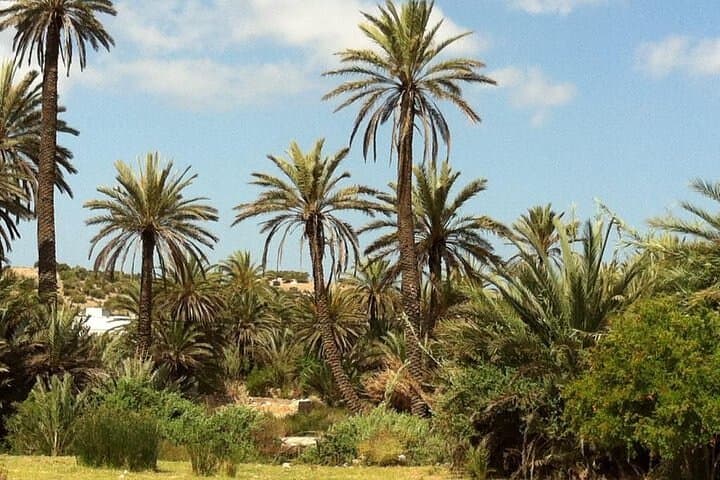
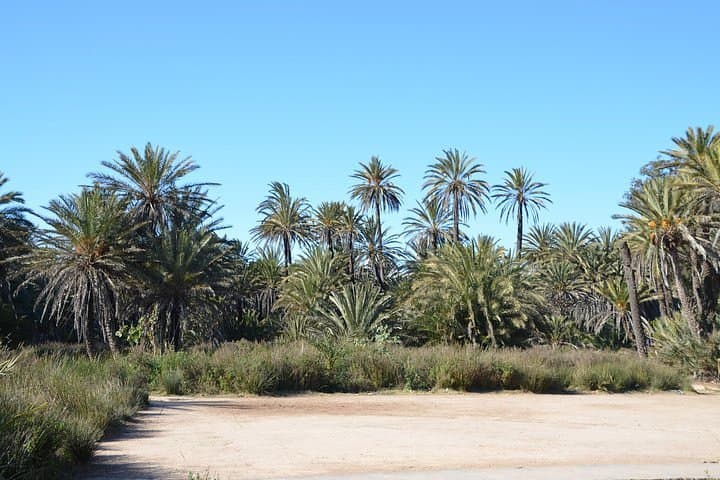
This walk follows the spring-fed corridor of Ain el Hajar, an oasis that reshaped local land use from palm groves to irrigated market gardens and olive terraces. Geologically the route runs along shallow alluvial soils deposited where groundwater reaches the surface; culturally it threads together argan harvests, stone mill production and small-scale basket weaving. Expect to cross cultivated plots, meet a stone mason shaping millstones, and reach a low vantage that frames the pool that feeds the valley.
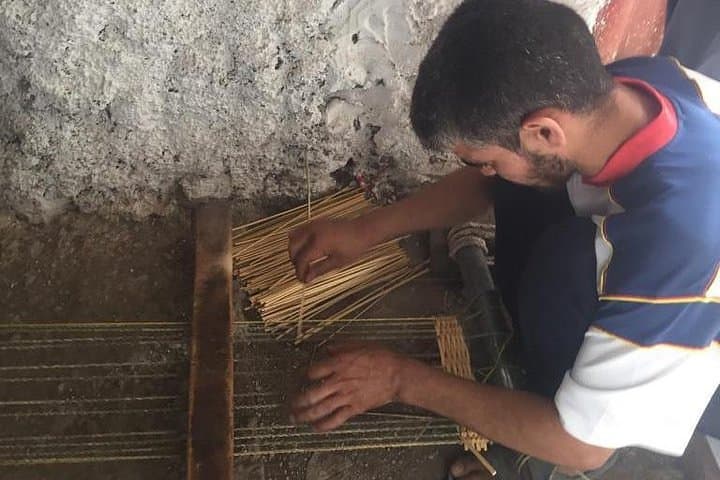
The final stop is a craftsman’s courtyard for tea at the basketmaker—simple hospitality and a close look at woven techniques that still supply local markets.
Practical guidance: this is a four-hour, moderate-level walk over uneven agricultural paths. Wear sturdy shoes with good traction, bring 1–1.5 L water, sun protection, and small change for crafts or tea. Respect planted plots and ask before photographing private yards. The route suits travelers prepared for steady but not technical walking; there are short inclines and loose stone near the spring. Tours typically include private transport from Essaouira, and return in the afternoon offers good light for photos and calmer winds.
moderate.
4 hours.
Moderate stamina; able to walk 6–8 km on uneven ground and short inclines without assistance
Yes — the tour description lists private transportation to and from Essaouira as included.
Moderate: mostly field and garden tracks with short inclines; no technical climbing involved.
Yes — the visit to the basketmaker is an opportunity to see demonstrations and purchase woven goods, usually for cash.
Facilities are limited; use facilities in Essaouira before departure and expect basic village amenities if needed.
Ain el Hajar grew as a spring-fed settlement where water allowed year-round gardens; argan and olive economies shaped land use over centuries.
Argan woodlands are protected locally and water use is monitored; stick to paths to avoid trampling irrigation beds and support artisans directly when purchasing.
Ecotourism and Hiking operates guided outdoor trips and adventures with an emphasis on safety, stewardship, and memorable experiences.
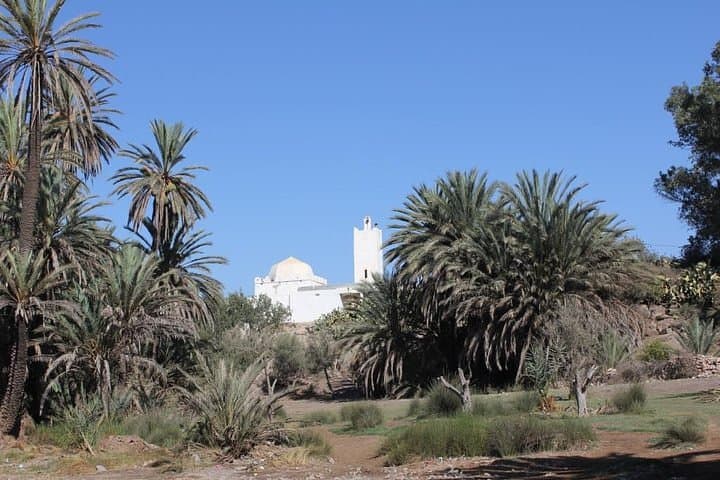
A broad argan casts the first shade, its gnarled branches marking the trailhead as farmers guide olive groves and irrigated gardens into view. The air carries dust and citrus, and the track drops through fields toward a low mausoleum where Saint Sidi Bourahmoune watches the valley.
A broad argan casts the first shade, its gnarled branches marking the trailhead as farmers guide olive groves and irrigated gardens into view. The air carries dust and citrus, and the track drops through fields toward a low mausoleum where Saint Sidi Bourahmoune watches the valley.
This walk follows the spring-fed corridor of Ain el Hajar, an oasis that reshaped local land use from palm groves to irrigated market gardens and olive terraces. Geologically the route runs along shallow alluvial soils deposited where groundwater reaches the surface; culturally it threads together argan harvests, stone mill production and small-scale basket weaving. Expect to cross cultivated plots, meet a stone mason shaping millstones, and reach a low vantage that frames the pool that feeds the valley.
The final stop is a craftsman’s courtyard for tea at the basketmaker—simple hospitality and a close look at woven techniques that still supply local markets.
Practical guidance: this is a four-hour, moderate-level walk over uneven agricultural paths. Wear sturdy shoes with good traction, bring 1–1.5 L water, sun protection, and small change for crafts or tea. Respect planted plots and ask before photographing private yards. The route suits travelers prepared for steady but not technical walking; there are short inclines and loose stone near the spring. Tours typically include private transport from Essaouira, and return in the afternoon offers good light for photos and calmer winds.