THE ADVENTURE COLLECTIVE® · Independent discovery and booking for outdoor travel

Trade Marrakech’s ochre alleys for Essaouira’s salt air on a private full‑day tour to the historic port of Mogador. Expect wind-swept ramparts, fishing harbors, argan cooperatives and a medina shaped by centuries of sea trade.
Trade Marrakech’s ochre alleys for Essaouira’s salt air on a private full‑day tour to the historic port of Mogador. Expect wind-swept ramparts, fishing harbors, argan cooperatives and a medina shaped by centuries of sea trade.
A low-slung Atlantic wind meets the city as you cross the plain from Marrakech: olives and argan shrubs give way to wider sky, and the road opens toward Essaouira’s white ramparts. Arrive to gull calls and the slap of surf against the harbor—fishermen hauling nets beneath faded blue shutters, the city’s fortified walls tracing a slow arc against the sea.
Verified experiences and guided adventures in the surrounding area.
Operated by Morocco Sahara Desert Travel · Essaouira, Marrakesh-Safi
A low-slung Atlantic wind meets the city as you cross the plain from Marrakech: olives and argan shrubs give way to wider sky, and the road opens toward Essaouira’s white ramparts. Arrive to gull calls and the slap of surf against the harbor—fishermen hauling nets beneath faded blue shutters, the city’s fortified walls tracing a slow arc against the sea.
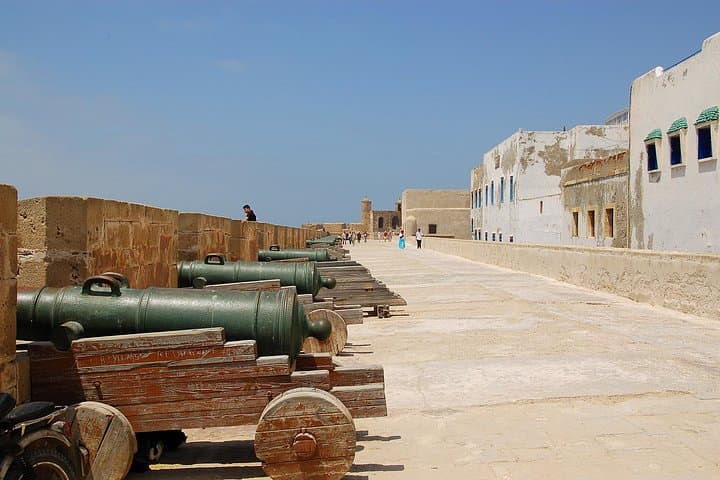
Formerly called Mogador, Essaouira has layers of history: 16th‑century Portuguese ramparts, 18th‑century Moroccan port planning and a medina recognized as a UNESCO World Heritage site. Geologically the coast alternates between sandy crescent beaches and wind-polished rock, which together create consistent onshore winds that have long shaped local life—fishing, shipbuilding and the now-famous wind- and kite-sports. Culturally, the town hums with Gnawa music, woodcarvers in the souks and small cooperatives producing argan oil from Berber almonds; goats in argan trees are a common roadside sight, a lively example of local ecology and land use.
Practically, expect a private 2.5–3 hour drive each way from Marrakech, with 6–8 hours to explore on a full-day itinerary: medina alleys, the port and a seaside rampart walk. Bring cash for cooperatives and tips, wear sturdy shoes for cobbles and sand, and layer for sudden coastal wind. Start early to avoid the busiest midday crowds and plan a seafood lunch at the port. The tour suits travelers with moderate fitness who want a compact mix of coastal scenery, local craft and maritime history—an accessible day that feels far from the city’s desert edges.
moderate.
10–12 hours.
Moderate fitness: able to walk several miles on uneven surfaces and handle stairs and ramps.
The private transfer typically takes 2.5–3 hours each way depending on traffic and stops along the route.
Meals are not usually included; most itineraries allow time for a portside seafood lunch or café options in the medina.
Yes—drives through argan country often pass goats climbing argan trees; appearance depends on time of year and grazing patterns.
Infants are allowed but must sit on laps unless a seat is requested; the medina’s cobbles and steps make full accessibility limited for those with reduced mobility.
Essaouira (historic Mogador) was shaped by Portuguese fortifications and 18th‑century Moroccan port planning; its medina reflects centuries of Atlantic trade.
Argan forests are culturally and ecologically important; support sustainable cooperatives and avoid buying uncertified products. Respect beach ecosystems and avoid disturbing birdlife on the shore.
Morocco Sahara Desert Travel operates guided outdoor trips and adventures with an emphasis on safety, stewardship, and memorable experiences.
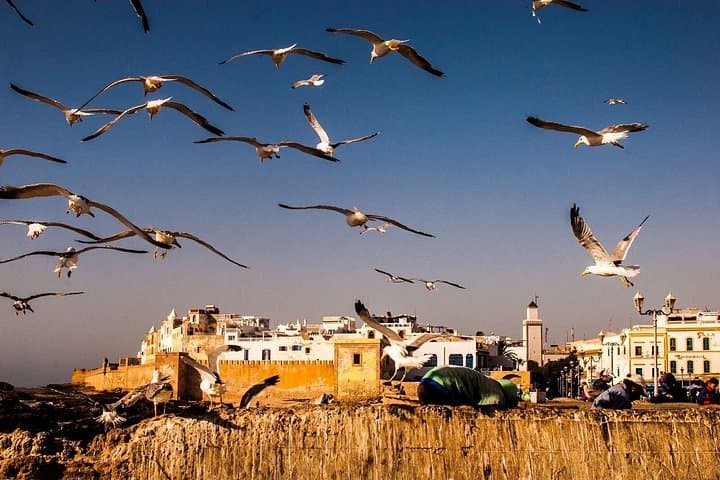
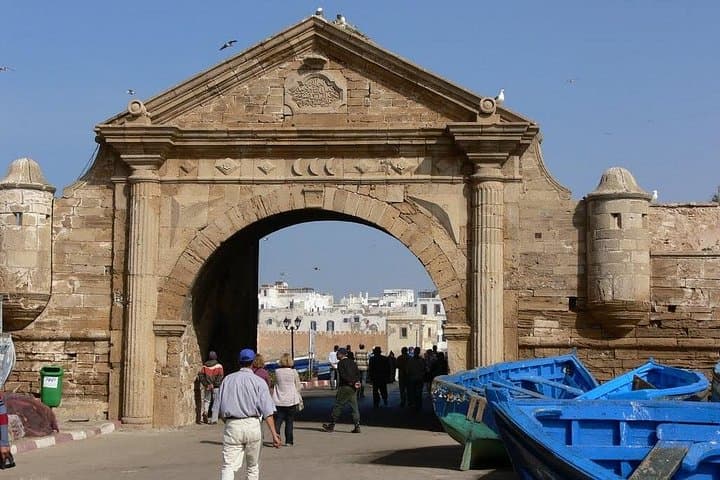
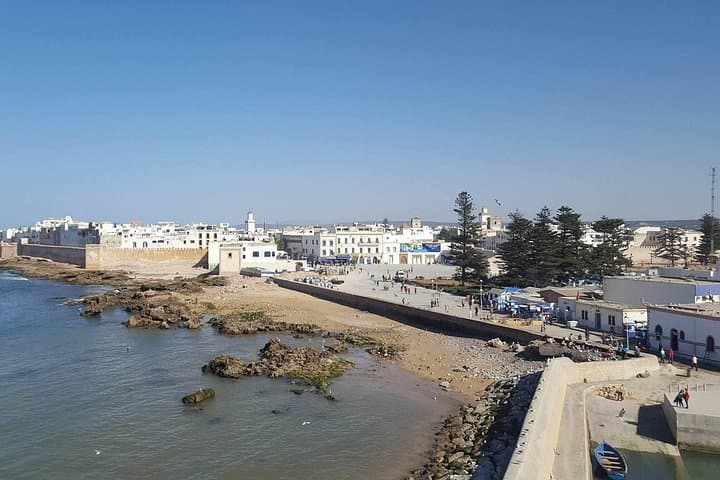
A low-slung Atlantic wind meets the city as you cross the plain from Marrakech: olives and argan shrubs give way to wider sky, and the road opens toward Essaouira’s white ramparts. Arrive to gull calls and the slap of surf against the harbor—fishermen hauling nets beneath faded blue shutters, the city’s fortified walls tracing a slow arc against the sea.
A low-slung Atlantic wind meets the city as you cross the plain from Marrakech: olives and argan shrubs give way to wider sky, and the road opens toward Essaouira’s white ramparts. Arrive to gull calls and the slap of surf against the harbor—fishermen hauling nets beneath faded blue shutters, the city’s fortified walls tracing a slow arc against the sea.
Formerly called Mogador, Essaouira has layers of history: 16th‑century Portuguese ramparts, 18th‑century Moroccan port planning and a medina recognized as a UNESCO World Heritage site. Geologically the coast alternates between sandy crescent beaches and wind-polished rock, which together create consistent onshore winds that have long shaped local life—fishing, shipbuilding and the now-famous wind- and kite-sports. Culturally, the town hums with Gnawa music, woodcarvers in the souks and small cooperatives producing argan oil from Berber almonds; goats in argan trees are a common roadside sight, a lively example of local ecology and land use.
Practically, expect a private 2.5–3 hour drive each way from Marrakech, with 6–8 hours to explore on a full-day itinerary: medina alleys, the port and a seaside rampart walk. Bring cash for cooperatives and tips, wear sturdy shoes for cobbles and sand, and layer for sudden coastal wind. Start early to avoid the busiest midday crowds and plan a seafood lunch at the port. The tour suits travelers with moderate fitness who want a compact mix of coastal scenery, local craft and maritime history—an accessible day that feels far from the city’s desert edges.