THE ADVENTURE COLLECTIVE® · Independent discovery and booking for outdoor travel

Trade Marrakech’s ochre alleys for Essaouira’s salty breeze on this full‑day coastal excursion. Visit an argan cooperative, stroll the historic port and medina, and savor fresh seafood while learning the city’s maritime history.
Trade Marrakech’s ochre alleys for Essaouira’s salty breeze on this full‑day coastal excursion. Visit an argan cooperative, stroll the historic port and medina, and savor fresh seafood while learning the city’s maritime history.
You arrive on the coastal wind: gulls wheel above a low stone rampart while the Atlantic pushes surf against Essaouira’s crescent bay. The city’s pace slows from Marrakech’s bustle — narrow streets open to a working port where fishermen unload glistening lines of sea bass and sardines. Salt and smoke meet the spice stalls in the medina as blue‑painted doors and carved wooden balconies mark a history of trade and maritime defense.
Verified experiences and guided adventures in the surrounding area.
Operated by Morocco Luxe Tours · Essaouira, Marrakech-Safi
You arrive on the coastal wind: gulls wheel above a low stone rampart while the Atlantic pushes surf against Essaouira’s crescent bay. The city’s pace slows from Marrakech’s bustle — narrow streets open to a working port where fishermen unload glistening lines of sea bass and sardines. Salt and smoke meet the spice stalls in the medina as blue‑painted doors and carved wooden balconies mark a history of trade and maritime defense.
Essaouira, historically called Mogador, was fortified in the 18th century to control Atlantic commerce; the Portuguese left earlier traces. The town’s geology is compact sandstone and coastal dunes, a landscape shaped by winds that have long made this a center for wind‑powered sports and a strategic harbor. Cultural life mixes Berber argan cooperatives inland, Sufi music in cafes, and a small museum dedicated to the town’s maritime past.
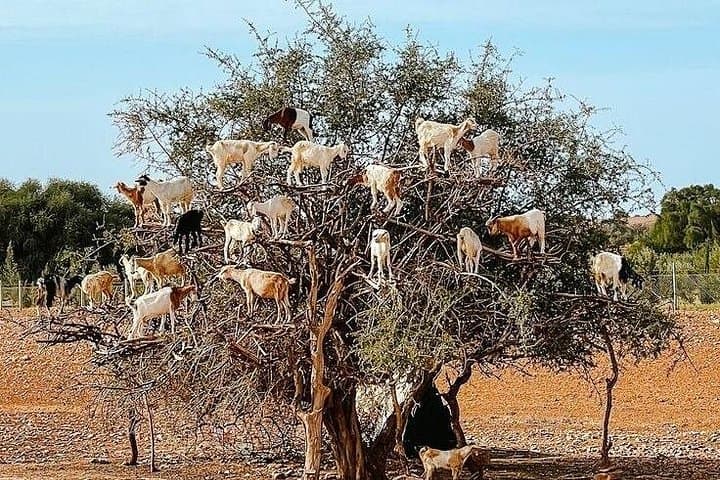
On a day trip from Marrakech you’ll stop at an argan cooperative to see traditional oil pressing, pause in small towns en route, then walk the medina and port with several hours of free time for markets and seafood. Expect cobbled alleys, seawall views, and active market bargaining rather than long hikes.
Practical guidance: dress windproof, carry cash for market purchases, and time your visit around lunch to sample grilled seafood near the quayside. The trip is largely accessible by private air‑conditioned vehicle and involves easy walking; bring a reusable water bottle and comfortable shoes. Morning departures avoid the heaviest afternoon winds and allow better light for photos of the ramparts and harbor.
easy.
7 hours.
Suitable for most fitness levels; involves short, easy walks on cobbles and some standing at markets.
The drive typically takes about 2.5 to 3 hours each way depending on traffic and stops, making this a full‑day outing.
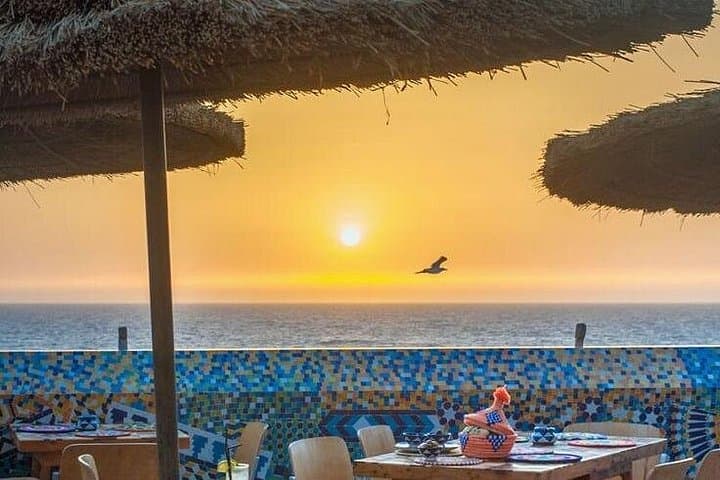
Lunch is not included; the itinerary provides free time in Essaouira to choose from seafood stalls and restaurants at the port.
Visits and tastings at cooperatives are usually free, but purchases of oil or cosmetics are optional and paid on site.
Pick‑up and vehicle transport are accessible, but cobbled medina streets and steps may limit wheelchair access in some areas.
Essaouira (Mogador) was fortified in the 18th century and developed as an Atlantic trading port; its medina is a UNESCO World Heritage site for its well‑preserved maritime architecture.
Argan cooperatives support sustainable harvesting of argan nuts and local women’s cooperatives; coastal fisheries and dune habitats are sensitive to overfishing and development, so buy local and avoid disturbing dunes.
Morocco Luxe Tours operates guided outdoor trips and adventures with an emphasis on safety, stewardship, and memorable experiences.
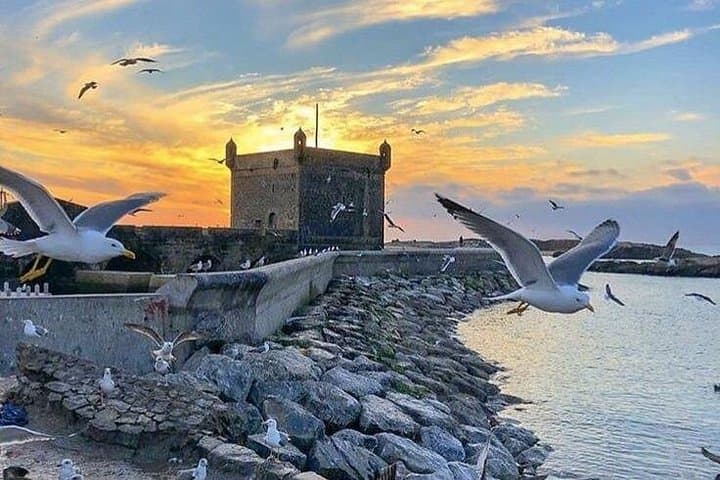
You arrive on the coastal wind: gulls wheel above a low stone rampart while the Atlantic pushes surf against Essaouira’s crescent bay. The city’s pace slows from Marrakech’s bustle — narrow streets open to a working port where fishermen unload glistening lines of sea bass and sardines. Salt and smoke meet the spice stalls in the medina as blue‑painted doors and carved wooden balconies mark a history of trade and maritime defense.
You arrive on the coastal wind: gulls wheel above a low stone rampart while the Atlantic pushes surf against Essaouira’s crescent bay. The city’s pace slows from Marrakech’s bustle — narrow streets open to a working port where fishermen unload glistening lines of sea bass and sardines. Salt and smoke meet the spice stalls in the medina as blue‑painted doors and carved wooden balconies mark a history of trade and maritime defense.
Essaouira, historically called Mogador, was fortified in the 18th century to control Atlantic commerce; the Portuguese left earlier traces. The town’s geology is compact sandstone and coastal dunes, a landscape shaped by winds that have long made this a center for wind‑powered sports and a strategic harbor. Cultural life mixes Berber argan cooperatives inland, Sufi music in cafes, and a small museum dedicated to the town’s maritime past.
On a day trip from Marrakech you’ll stop at an argan cooperative to see traditional oil pressing, pause in small towns en route, then walk the medina and port with several hours of free time for markets and seafood. Expect cobbled alleys, seawall views, and active market bargaining rather than long hikes.
Practical guidance: dress windproof, carry cash for market purchases, and time your visit around lunch to sample grilled seafood near the quayside. The trip is largely accessible by private air‑conditioned vehicle and involves easy walking; bring a reusable water bottle and comfortable shoes. Morning departures avoid the heaviest afternoon winds and allow better light for photos of the ramparts and harbor.