THE ADVENTURE COLLECTIVE® · Independent discovery and booking for outdoor travel

Learn to kitesurf in Essaouira with certified instructors in small groups. Reliable winds, shallow sandy beach, and modern equipment make it an ideal spot to start or progress safely.
Learn to kitesurf in Essaouira with certified instructors in small groups. Reliable winds, shallow sandy beach, and modern equipment make it an ideal spot to start or progress safely.
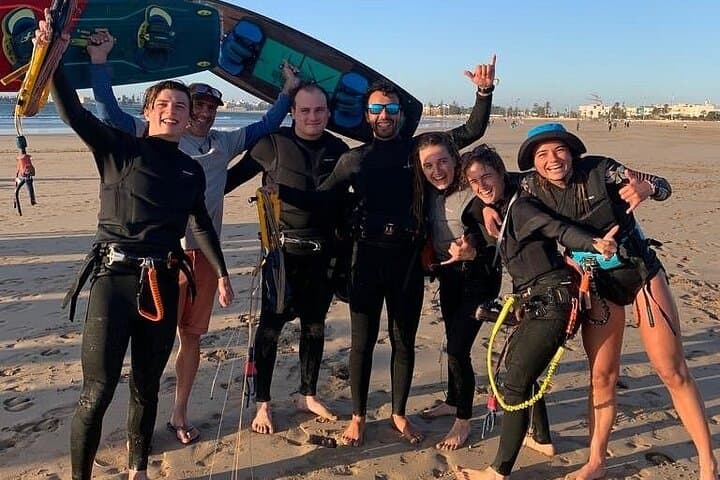
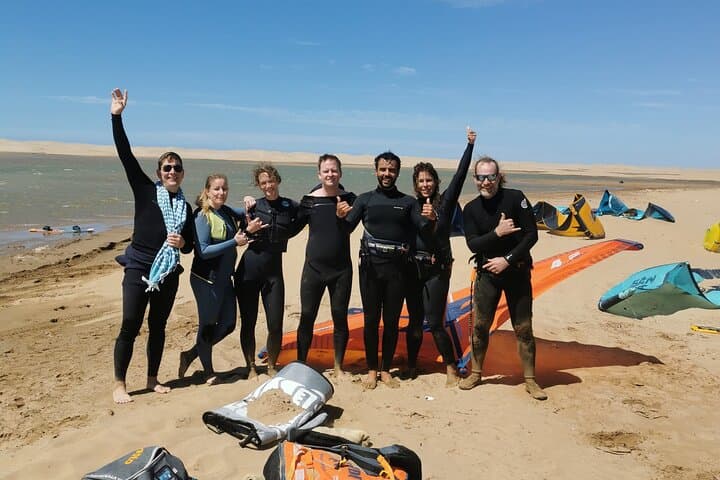
The Atlantic wind arrives like clockwork, pushing foam across the wide beach at Essaouira and setting kites to blossom above the shoreline. On a morning lesson you’ll feel the wind’s impatience — it wants you upright — while the Atlantic keeps a steady, cool hand on the horizon.
Verified experiences and guided adventures in the surrounding area.
Operated by Atlantic Ride · Essaouira, Marrakesh-Safi
The Atlantic wind arrives like clockwork, pushing foam across the wide beach at Essaouira and setting kites to blossom above the shoreline. On a morning lesson you’ll feel the wind’s impatience — it wants you upright — while the Atlantic keeps a steady, cool hand on the horizon.
Essaouira’s coastline has long been a working shore: a mix of Portuguese-era ramparts, fishing lobes, and a sandbar-formed beach that channels consistent side-onshore wind. The bay’s shallow, sandy bottom and prevailing trade winds make it one of North Africa’s most reliable learning grounds. Locally, kitesurfing sits beside traditional activities — fishermen repair nets as coaches explain board trim — a practical culture where the sea is both livelihood and playground.
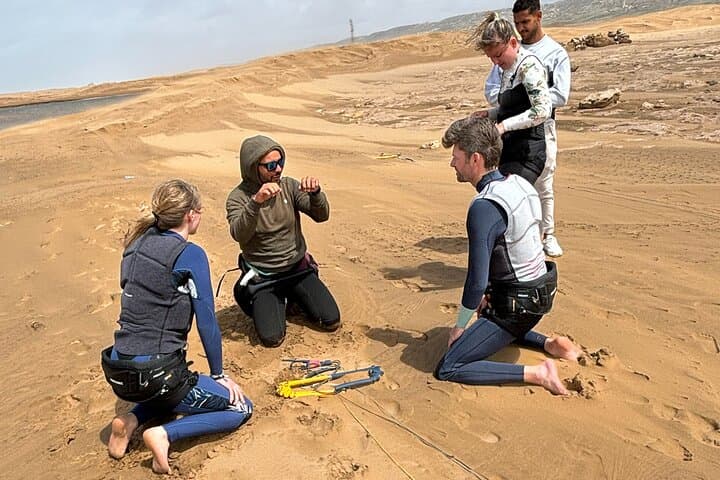
Lessons typically focus on safety first: kite control on land, body-dragging through the surf, then short water starts with an instructor at hand. Small groups (max four) allow paired practice and faster progression; modern gear and helmets are standard. Expect two hours that alternate classroom-style briefings with on-water reps.
Practical guidance: arrive 20–30 minutes early to suit up and brief your instructor, bring sun protection and a water bottle, and be honest about your fitness and medical history when booking. If you can swim and tolerate cold water, you’re set to learn the basics in a single session and build toward confident riding with repeated practice.
moderate.
2 hours.
Moderate fitness: able to swim and handle repeated falls, basic core strength and balance helpful.
No — lessons start with on-land kite control and progress to body-dragging and water starts; small groups let instructors tailor the pace.
Yes — you should be comfortable in open water and able to tread or swim; instructors keep close but cannot replace basic self-rescue ability.
Groups are capped at four students, usually working in pairs on the water to maximize hands-on time with instructors.
Providers usually cancel in unsafe wind conditions and offer a full refund if canceled at least 24 hours before or due to bad weather immediately prior to the lesson.
Essaouira’s fortified port was reshaped by 18th-century Portuguese and later Moroccan trade, creating sheltered bays that influence local wind and wave behavior.
Respect tidal flats and avoid trampling dune vegetation; local schools often promote leave-no-trace practices and gear storage to minimize beach impact.
Atlantic Ride operates guided outdoor trips and adventures with an emphasis on safety, stewardship, and memorable experiences.
The Atlantic wind arrives like clockwork, pushing foam across the wide beach at Essaouira and setting kites to blossom above the shoreline. On a morning lesson you’ll feel the wind’s impatience — it wants you upright — while the Atlantic keeps a steady, cool hand on the horizon.
The Atlantic wind arrives like clockwork, pushing foam across the wide beach at Essaouira and setting kites to blossom above the shoreline. On a morning lesson you’ll feel the wind’s impatience — it wants you upright — while the Atlantic keeps a steady, cool hand on the horizon.
Essaouira’s coastline has long been a working shore: a mix of Portuguese-era ramparts, fishing lobes, and a sandbar-formed beach that channels consistent side-onshore wind. The bay’s shallow, sandy bottom and prevailing trade winds make it one of North Africa’s most reliable learning grounds. Locally, kitesurfing sits beside traditional activities — fishermen repair nets as coaches explain board trim — a practical culture where the sea is both livelihood and playground.
Lessons typically focus on safety first: kite control on land, body-dragging through the surf, then short water starts with an instructor at hand. Small groups (max four) allow paired practice and faster progression; modern gear and helmets are standard. Expect two hours that alternate classroom-style briefings with on-water reps.
Practical guidance: arrive 20–30 minutes early to suit up and brief your instructor, bring sun protection and a water bottle, and be honest about your fitness and medical history when booking. If you can swim and tolerate cold water, you’re set to learn the basics in a single session and build toward confident riding with repeated practice.