THE ADVENTURE COLLECTIVE® · Independent discovery and booking for outdoor travel

Escape Marrakech for a day and trade red-city heat for Atlantic wind, antiquated ramparts and markets piled with fresh seafood and handcrafted cedar. This full-day trip highlights Essaouira’s goat-topped argan trees, lively medina and seaside culture with comfortable transfers back to Marrakech.
Escape Marrakech for a day and trade red-city heat for Atlantic wind, antiquated ramparts and markets piled with fresh seafood and handcrafted cedar. This full-day trip highlights Essaouira’s goat-topped argan trees, lively medina and seaside culture with comfortable transfers back to Marrakech.
You arrive with the Atlantic wind pushing at your jacket and a sliver of ocean on the horizon — Essaouira announces itself with gull cries, weathered ramparts, and the steady rhythm of fishing boats. The day's first sight may be the improbable "goat tree," where goats climb argan trees to nibble leaves while the driver explains Berber land use and argan oil traditions.
Verified experiences and guided adventures in the surrounding area.
Operated by Marrakech Shared Group Tours · Essaouira, Marrakesh-Safi
You arrive with the Atlantic wind pushing at your jacket and a sliver of ocean on the horizon — Essaouira announces itself with gull cries, weathered ramparts, and the steady rhythm of fishing boats. The day's first sight may be the improbable "goat tree," where goats climb argan trees to nibble leaves while the driver explains Berber land use and argan oil traditions.
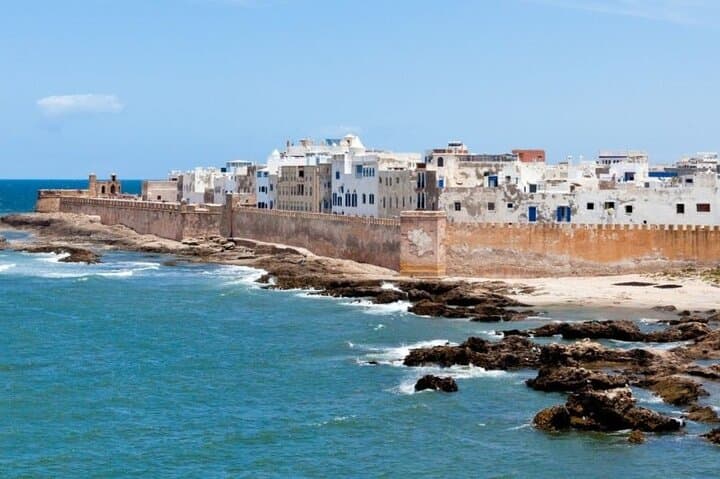
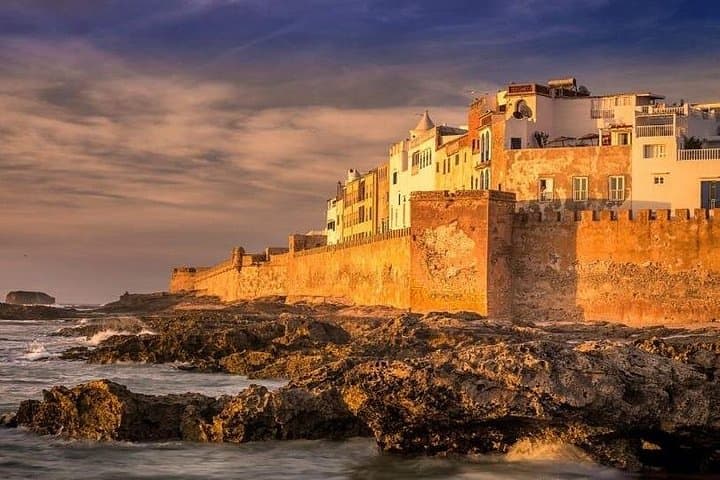
Essaouira's medina grew from a fortified 18th-century port; its low, cream-colored ramparts and bronze cannons still face the Atlantic, reminders of a past shaped by Portuguese, Moroccan and European trade. Geologically, the coast is broad sand and wind-swept rock shelves, ideal for kitesurfers and for powerful onshore gusts that define the city's climate and culture.
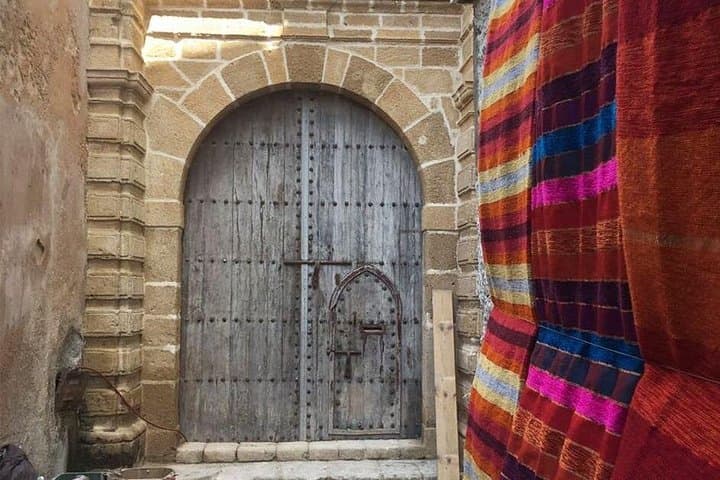
A walking loop through the medina offers cedar woodworking shops, seafood stalls by the port, and a cooperative where women produce argan oil by traditional cold-press methods — practical crafts that feed local economies. The markets invite sharp bargaining, but the best buys are often the handiwork of small ateliers rather than mass-produced trinkets.
Practicalities: expect a 2.5–3 hour drive from Marrakech each way (roughly 180–190 km), brought and collected in an air-conditioned vehicle. Wear sturdy shoes for cobbled lanes, bring layered windproof clothing, spare cash in dirham, and plan for 6–8 hours of on-foot exploration in town. Timing your visit for late morning avoids the coldest sea breeze and catches the freshest catches at market.
This full-day trip balances a coastal day with cultural context — it’s light on technical challenge but rich in sensory details and local color.
easy.
9 hours.
Suitable for most fitness levels; requires several hours of walking on uneven cobbles and some short climbs.
Expect about 2.5–3 hours each way depending on traffic and stops—roughly 180–190 km on the return route.
Meals are typically not included; you’ll have time to buy fresh seafood at the port or eat in medina cafés during the visit.
Yes—the argan tree stop is a roadside spectacle and short photo opportunity; interactions are informal and guided by the driver or local guides.
The tour is family-friendly and listed as physically easy, but medina streets are uneven and may be difficult for wheelchairs or strollers without assistance.
Essaouira developed as a strategic Atlantic port in the 18th century with fortified ramparts and a mix of Portuguese and Moroccan urban planning.
Argan cooperatives support local livelihoods and sustainable harvesting; visitors should buy directly from cooperatives to support fair trade and avoid contributing to overharvesting.
Marrakech Shared Group Tours operates guided outdoor trips and adventures with an emphasis on safety, stewardship, and memorable experiences.
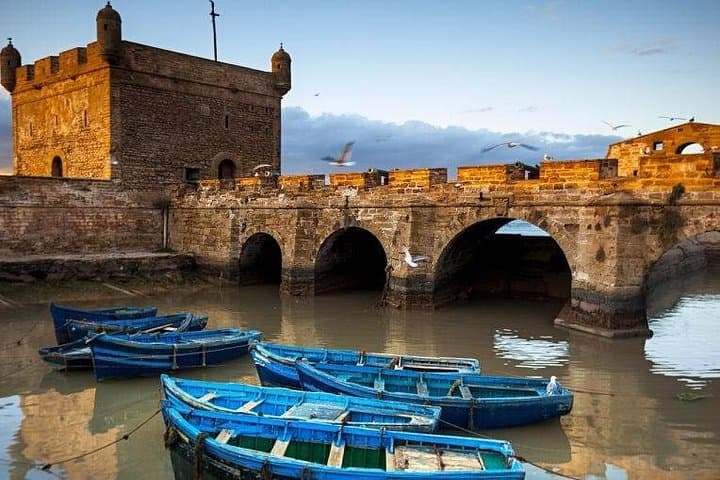
You arrive with the Atlantic wind pushing at your jacket and a sliver of ocean on the horizon — Essaouira announces itself with gull cries, weathered ramparts, and the steady rhythm of fishing boats. The day's first sight may be the improbable "goat tree," where goats climb argan trees to nibble leaves while the driver explains Berber land use and argan oil traditions.
You arrive with the Atlantic wind pushing at your jacket and a sliver of ocean on the horizon — Essaouira announces itself with gull cries, weathered ramparts, and the steady rhythm of fishing boats. The day's first sight may be the improbable "goat tree," where goats climb argan trees to nibble leaves while the driver explains Berber land use and argan oil traditions.
Essaouira's medina grew from a fortified 18th-century port; its low, cream-colored ramparts and bronze cannons still face the Atlantic, reminders of a past shaped by Portuguese, Moroccan and European trade. Geologically, the coast is broad sand and wind-swept rock shelves, ideal for kitesurfers and for powerful onshore gusts that define the city's climate and culture.
A walking loop through the medina offers cedar woodworking shops, seafood stalls by the port, and a cooperative where women produce argan oil by traditional cold-press methods — practical crafts that feed local economies. The markets invite sharp bargaining, but the best buys are often the handiwork of small ateliers rather than mass-produced trinkets.
Practicalities: expect a 2.5–3 hour drive from Marrakech each way (roughly 180–190 km), brought and collected in an air-conditioned vehicle. Wear sturdy shoes for cobbled lanes, bring layered windproof clothing, spare cash in dirham, and plan for 6–8 hours of on-foot exploration in town. Timing your visit for late morning avoids the coldest sea breeze and catches the freshest catches at market.
This full-day trip balances a coastal day with cultural context — it’s light on technical challenge but rich in sensory details and local color.