THE ADVENTURE COLLECTIVE® · Independent discovery and booking for outdoor travel

Swap the Atlas's red dust for Atlantic wind on a full‑day trip from Marrakesh to Essaouira. Visit the historic port, browse the medina's craftsmen, and learn about authentic Argan oil at a women's cooperative.
Swap the Atlas's red dust for Atlantic wind on a full‑day trip from Marrakesh to Essaouira. Visit the historic port, browse the medina's craftsmen, and learn about authentic Argan oil at a women's cooperative.
Morning light slants across the Atlantic as you roll west from Marrakesh, the minivan humming while olive groves and scrub give way to wind-swept dunes and the serrated outline of Essaouira's ramparts. By the time you catch your first view of blue water and pale sand, the port's bronze cannons and busy quays are already staging a different Morocco — one of sea breeze, fish markets, and weathered blue shutters.
Verified experiences and guided adventures in the surrounding area.
Operated by Marrakech day Trip · Essaouira, Marrakech-Safi
Morning light slants across the Atlantic as you roll west from Marrakesh, the minivan humming while olive groves and scrub give way to wind-swept dunes and the serrated outline of Essaouira's ramparts. By the time you catch your first view of blue water and pale sand, the port's bronze cannons and busy quays are already staging a different Morocco — one of sea breeze, fish markets, and weathered blue shutters.
Essaouira (formerly Mogador) grew from Phoenician trade posts into an 18th‑century fortified Atlantic gateway; its long beach and shallow continental shelf shaped both its fishing economy and a culture of resilient craftsmen. The city's ochre fortifications are limestone and sandstone, scored by salt wind; the medina's straight streets reflect French planning over older berber and Portuguese traces. Local life centers on the port, cedar workshops, and women's argan cooperatives that still press oil by hand for culinary and cosmetic use.
Expect flat, cobbled lanes, brisk coastal wind, and crowds around the fish market at midday. The day trip gives time for a cooperative visit, a stroll through the medina's crafts quarters, and a beach or port-side pause before the return drive.
Practical guide: depart early from Marrakesh for 2.5–3 hours each way, bring sun protection and sturdy walking shoes for uneven cobbles, carry cash for small purchases, and allow flexibility for lunch at a harbor restaurant. This is a low‑technical, culturally rich day that rewards curiosity and respectful shopping.
easy.
6 hours.
Suitable for most fitness levels; involves several hours of light walking and standing on uneven cobbles and sand.
Yes — the tour includes hotel pickup and drop-off in Marrakesh; confirm your pickup point when booking.
No — lunch is not included; drivers will suggest harbor restaurants and there are many payable options in the medina.
Moderate walking on mostly flat but cobbled streets, plus optional strolls on the beach; comfortable shoes recommended.
Many are women-run cooperatives offering fair-trade practices, but compare prices and buy directly to support local producers.
Essaouira — once called Mogador — became a planned Atlantic port in the 18th century and mixes Moroccan, European and Berber influences; its fortifications were designed to control trade and maritime access.
Argan forests and coastal dunes are ecologically sensitive; support certified cooperatives, avoid trampling dunes, and take care with plastic waste.
Marrakech day Trip operates guided outdoor trips and adventures with an emphasis on safety, stewardship, and memorable experiences.
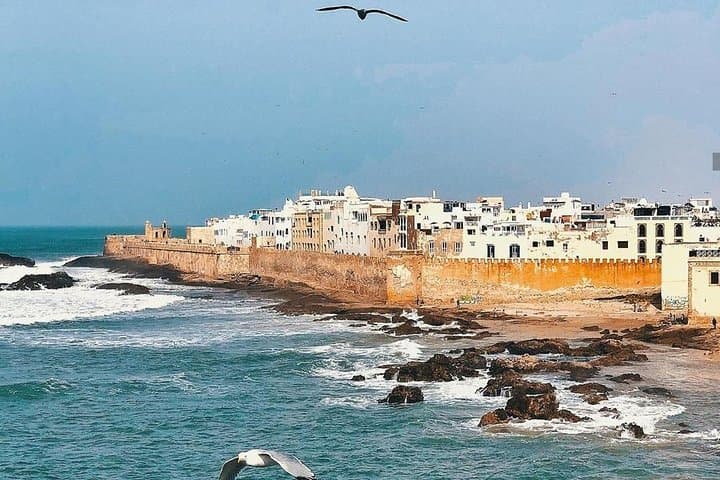
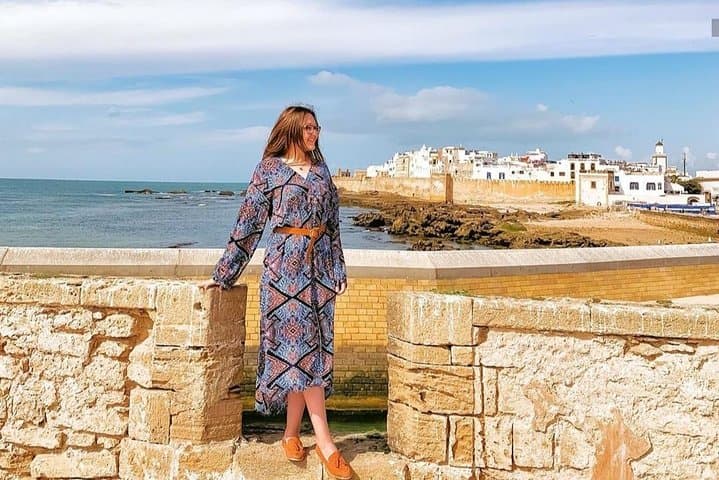
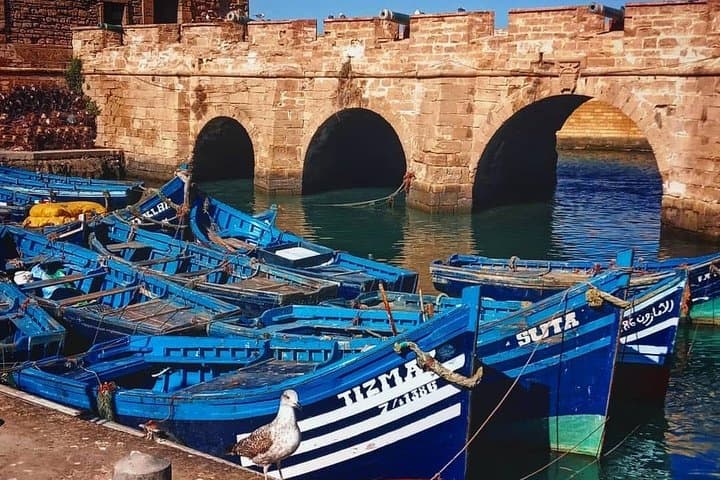
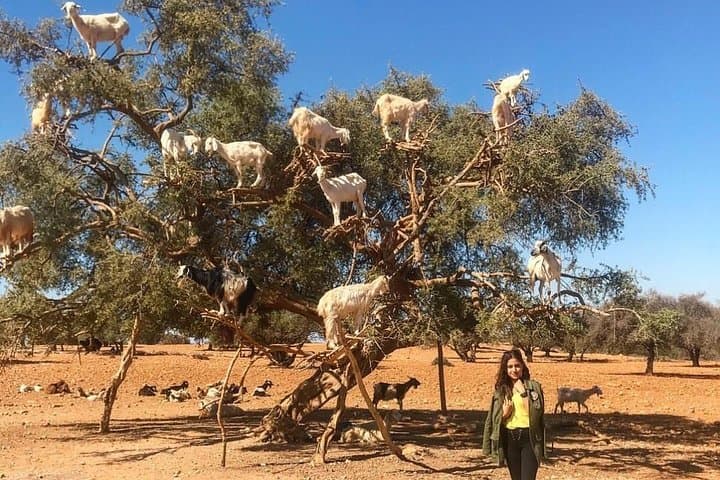
Morning light slants across the Atlantic as you roll west from Marrakesh, the minivan humming while olive groves and scrub give way to wind-swept dunes and the serrated outline of Essaouira's ramparts. By the time you catch your first view of blue water and pale sand, the port's bronze cannons and busy quays are already staging a different Morocco — one of sea breeze, fish markets, and weathered blue shutters.
Morning light slants across the Atlantic as you roll west from Marrakesh, the minivan humming while olive groves and scrub give way to wind-swept dunes and the serrated outline of Essaouira's ramparts. By the time you catch your first view of blue water and pale sand, the port's bronze cannons and busy quays are already staging a different Morocco — one of sea breeze, fish markets, and weathered blue shutters.
Essaouira (formerly Mogador) grew from Phoenician trade posts into an 18th‑century fortified Atlantic gateway; its long beach and shallow continental shelf shaped both its fishing economy and a culture of resilient craftsmen. The city's ochre fortifications are limestone and sandstone, scored by salt wind; the medina's straight streets reflect French planning over older berber and Portuguese traces. Local life centers on the port, cedar workshops, and women's argan cooperatives that still press oil by hand for culinary and cosmetic use.
Expect flat, cobbled lanes, brisk coastal wind, and crowds around the fish market at midday. The day trip gives time for a cooperative visit, a stroll through the medina's crafts quarters, and a beach or port-side pause before the return drive.
Practical guide: depart early from Marrakesh for 2.5–3 hours each way, bring sun protection and sturdy walking shoes for uneven cobbles, carry cash for small purchases, and allow flexibility for lunch at a harbor restaurant. This is a low‑technical, culturally rich day that rewards curiosity and respectful shopping.